





A middle school near Humble spent last summer redoing its gym floor and two wings of classrooms. Good plan, tight schedule, contractor lined up in May. Nobody sat down and asked where thirty workers would use the bathroom while the building was torn open, or where the new flooring, ceiling tiles and tools would sit when the crew went home. By the second week the janitor was unlocking the cafeteria restrooms for the crew, a pallet of materials was stacked in a hallway, and the principal was getting calls. If you’re looking at portable restroom rental for a school, church campus or any building that stays semi-open during work, that story is the reason. The bathroom problem is only half of it. Somewhere secure for gear matters just as much, which is where storage container rental comes in. So here’s the plain version. What these services are, how many units you need, costs, placement around kids and staff, rules, and what to ask before you pay anybody.
What You’re Actually Renting
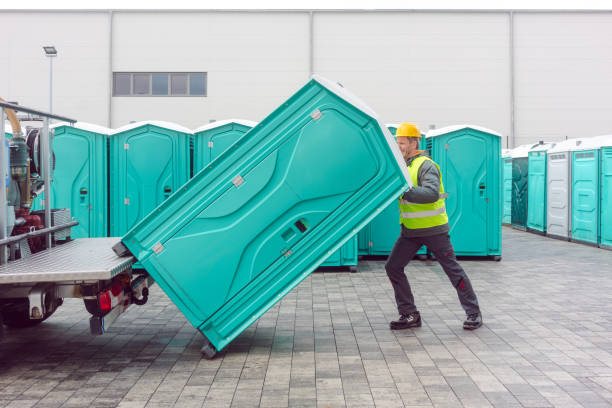
Let’s start with the picture, because people use these terms loosely. A standard portable toilet is a self contained plastic unit with a lockable door, good ventilation and hand sanitizer inside. Buck Waste, a family owned company based in Crosby, TX and serving Houston since 2024, describes its standard units as durable and well ventilated, ideal for construction sites and outdoor events, with weekly service. Most of them are dry units, so they don’t need water or power.
The lineup goes further. ADA units are larger, with ground level entry and a roomy interior so someone using a wheelchair can get in and turn around. Hand wash stations are freestanding sinks stocked with fresh water, soap and paper towels. Restroom trailers are the upscale option, with flushing toilets, running water, lighting and climate control. Buck Waste lists schools and universities as one of its customer groups, and describes the service as hygienic temporary restrooms for campus events, renovations or construction site needs.
A rented storage container is something else. It’s a lockable, weatherproof steel box delivered to your site, where you keep tools, materials, equipment or event gear. Buck Waste lists storage container rentals among its site services, next to roll-off dumpsters, holding tanks, septic work and the restrooms. When one company can do several of those, a school administrator or a project manager deals with one phone number and one invoice, which matters when you’re also running a building full of kids.
Why Schools Are a Special Case
A school isn’t a normal job site. Kids, parents, teachers and staff are around, sometimes during the work and sometimes right after. Safety and separation matter more than they do on a plain construction lot.
Think about who’s using what. The contractor’s crew needs toilets that are separate from student restrooms, both for hygiene and for liability. You don’t want workers wandering through hallways, and you don’t want students near the work zone. A dedicated set of portable units for the crew keeps traffic out of the building, which is cleaner, safer and easier on the custodial staff.
Events are the other side of it. Football games, graduations, field days, carnivals, parent nights, tournaments. Those draw crowds well beyond what the building’s permanent restrooms handle, especially if the doors are locked or only part of the campus is open. A few rented units near the field or the parking lot take pressure off the building. Buck Waste also lists sporting events as a specific use, and says portable units can be placed around the venue to keep things convenient and clean.
Add accessibility to the mix. Public school events usually need accessible facilities, so plan on at least one ADA unit, with firm, smooth ground and a clear route to the door.
Getting the Counts Right
Almost everybody guesses low. Let’s use real numbers.
For the contractor’s crew, OSHA’s construction sanitation standard, 29 CFR 1926.51, calls for one toilet for up to twenty workers, then one toilet and one urinal for every forty workers above that, plus hand washing facilities. That’s a floor, not a target. Summer heat and long shifts push you higher. Some districts and project owners set stricter requirements than OSHA, so read the contract and ask the general contractor who’s providing what.
For events, a common rule of thumb is one portable toilet per hundred people for a four hour event, and a standard unit holds roughly two hundred uses before it needs servicing. Buck Waste has an online calculator built on its own event sizing chart, covering crowds from fifty to ten thousand and event lengths from one to ten hours. For a hundred and fifty guests it suggests three standard restrooms, one hand wash station and one ADA unit. It also raises capacity by about twenty percent when food is served, since restroom use goes up. A fall festival with a concession stand counts.
Treat all of this as a planning guide. Gender ratio, layout and local code change the final number. And think about lines. A crowd after a game all hits the restrooms at once, so spread units around instead of parking them in one cluster. An extra unit costs a little. A long line of annoyed parents costs more.
What It Costs and Where the Extras Hide
Money. For portable restroom rental around Houston, standard units often run roughly a hundred to three hundred dollars per unit for a weekly service period, depending on unit type, rental length and service frequency. Longer rentals usually bring the weekly cost down. Short term and rush jobs cost more. I won’t pretend to know your exact price, so get a real quote for your dates.
Storage containers have their own pricing, and I won’t quote a number I can’t back up. It depends on size, rental length, delivery distance and location. For a lot of school projects it’s cheaper than building a temporary shed or paying for off site storage, though that depends on the job. Ask for a real quote.
The base rate isn’t the whole bill, on either one. Ask whether delivery and pickup are included. Ask about fuel fees, extra servicing, relocation charges, deposits and damage waivers. I saw a quote once that looked like a steal until a weekend fee, a cleaning fee and a damage waiver got stacked on, and it nearly doubled. Get everything itemized, in writing. If a company gets slippery about that, you’ve learned something about the invoice.

Districts often have purchasing rules, so ask about paperwork early. Buck Waste says it offers a price match against a comparable local quote and gives real pricing over the phone the first time you call. It also says certificates of insurance are available for procurement or site requirements. Ask about bundling too. Toilets, stations and a container from one provider simplifies approvals.
Placement Around Kids, Buses and Buildings
Placement sounds boring until it goes wrong, and on a school campus it carries extra risk.
Start with separation. Put the crew’s units near the work zone but away from student areas, pickup lanes and playgrounds. Put them behind construction fencing if there’s any, and make sure gates and locks work. For events, put units near the field, the parking lot or the gym entrance, with a smooth path that doesn’t cross bus lanes or fire lanes. Keep them away from open flames, grills and heavy vehicle traffic.
Next, the ground. Units need flat, firm ground. Not a slope, and not soggy grass after rain, which in Houston is a regular event. The service truck has to physically reach each unit, which people forget constantly. Locked gates, narrow lanes, low branches, curbs and soft shoulders cause problems, so tell the company before delivery and send photos if you’re unsure. Otherwise the driver shows up, can’t get in, and you may pay for a wasted trip. Also ask about service timing. A weekly pump truck rolling through at drop off is not what anybody wants, so schedule it for off hours.
Containers need flat, firm, level ground, a long straight path for the delivery truck and room overhead and to open the doors. Keep them off septic tanks, drain fields, irrigation lines and buried utilities, because heavy loads can crush them. Lock them with a heavy duty lock, ideally a disc or puck style that’s hard to cut, and park them where the doors face a wall or fence.
Delivery, Timing and Service
Timing is where school projects get surprised. Around Greater Houston, same day delivery is often possible for orders placed by noon, though availability depends on the day, and weekend delivery usually needs notice by Thursday. Buck Waste’s office runs Monday through Friday, eight to four thirty, with emergency only service on weekends and after hours. A Friday night football game or a Saturday carnival needs planning earlier in the week. Don’t call Thursday afternoon and hope.
Busy seasons matter. Summer is renovation season, fall is football, spring is festival season, and the weeks after a storm are chaos. Book early. For a summer remodel that starts in June, calling in May is smart.
Servicing is the other piece. Most units are pumped and cleaned once a week, which is the usual baseline for a job site. A big crew or a hot summer might need service two or more times a week, and a one day event can fill units in hours, so ask about mid event servicing or extras on standby. Ask who actually does the work. Some companies subcontract. Others use their own trained crews. Buck Waste says every unit is cleaned, stocked and serviced weekly by its own technicians, never subcontractors, which matters when something breaks and you want one answer. Ask what happens if a unit is tipped, vandalized or dirty mid week, and how fast they can swap it.
Rules, Insurance and Questions to Ask Before You Pay
Skipping this part costs more than reading it. Public events at schools may fall under city or county sanitation rules, and toilet counts can be tied to expected attendance. Call the city or county, and ask the district what permits it needs. The contractor’s crew answers to OSHA, and inspectors don’t mess around. Losing a day or paying a fine over a missing or filthy facility is a silly way to burn money. Some cities and HOAs limit how long a container can sit on a property, though school sites usually have more flexibility, so check before you order. Keep your rental agreements and service records handy.
Paperwork matters on the vendor side. Districts and general contractors usually want a certificate of insurance before any vendor shows up. Buck Waste carries one million dollars in general liability and pollution insurance and can send certificates. It’s also TCEQ registered, number 26592, which is worth asking any waste company for, since only licensed haulers should handle waste. If a company can’t give you a number, walk.
Then ask blunt questions. What’s included in the price? How often are units serviced, and by whom? What if one is damaged or stolen? How fast can you add units if headcount jumps? What container sizes do you carry, and what do you recommend? What if the ground isn’t suitable on delivery day? Read reviews, especially the three and four star ones, which tell you more than the gushing fives or the furious ones. See how the company handles complaints, because something will go wrong eventually. And trust your gut. If a quote feels vague, it probably is.
Conclusion
Planning ahead is most of the job. Know who’s using what, keep the crew’s facilities separate from students, count honestly with a cushion for heat and events, put everything on solid ground with truck access, and lock up what’s valuable. Do that and portable restroom rental stops being a headache for your janitor and turns into one more thing that just works. And if your project also needs somewhere safe for tools, flooring, ceiling tiles or event gear, add storage container rental to the same call so one company handles both deliveries. Don’t overthink it. Don’t wing it either. A little effort now saves a lot of grief later.
FAQs
How much does portable restroom rental cost for a school project?
Standard units around Houston often run roughly a hundred to three hundred dollars per unit for a weekly service period, depending on type, rental length and service frequency. Ask for an itemized quote that includes delivery and pickup.
How many portable restrooms do I need for a renovation crew?
OSHA requires one toilet for up to twenty workers, then one toilet and one urinal per forty workers above that, plus hand washing facilities. Add more for heat, long shifts or spread out sites.
How many units do I need for a school event?
A common rule is one unit per hundred people for a four hour event, with more for long events or when food is served. Buck Waste’s calculator suggests three standard units, one hand wash station and one ADA unit for a hundred and fifty guests.
Do school events need accessible restrooms?
Public events usually need accessible facilities, and it’s the right call regardless. Buck Waste’s calculator always includes at least one ADA unit in its event recommendations.
What is storage container rental used for on a campus project?
It gives you a lockable, weatherproof steel box delivered to your site for storing tools, materials, equipment or event gear during renovations or events.
Where should I put a rented storage container?
On flat, firm, level ground with a clear path for the delivery truck and room to open the doors. Keep it away from septic tanks, irrigation lines and buried utilities, and away from student areas.
Can I get restrooms and a storage container from the same company?
Some providers offer both. Buck Waste lists storage container rentals alongside portable restrooms, hand wash stations, holding tanks and roll-off dumpsters, which can simplify purchasing and scheduling.
About The Author