




“They’re indoors, so they’ll be fine” is one of the more common assumptions pet owners make during Pakistan’s peak summer months — and it isn’t always true. A poorly ventilated room, a spot near a sun-facing window, or a space with no airflow can get uncomfortably hot even inside a house, especially during power outages or in homes without central air conditioning running all day. Petco.pk’s roundup of the best pet cooling mats for summer in Pakistan covers one effective tool for this problem. This guide covers the bigger picture — how to actually set up a cool, safe indoor space for your pet, not just add one cooling product to an otherwise hot room.
Why “Indoors” Doesn’t Automatically Mean “Cool”
Indoor spaces trap heat just like outdoor ones do, especially in rooms with poor cross-ventilation, dark flooring that absorbs heat, or direct afternoon sun through windows. During load-shedding or extended power cuts, even air-conditioned homes can heat up quickly, catching owners off guard if they’ve assumed the AC alone was handling the problem. A genuinely cool indoor space needs more than a running air conditioner — it needs deliberate setup.
Choosing the Right Room or Zone for Your Pet
Not every room in the house holds temperature the same way. Interior rooms without direct sun exposure, tiled or stone flooring (which stays cooler than carpet), and spaces with good airflow between a door and window all make better choices for a pet’s daytime resting spot than a sun-facing bedroom or a small enclosed area with poor ventilation. If your pet has a favorite spot, it’s worth checking whether that spot is actually one of the cooler areas in the house, or just a familiar one.
Airflow Matters More Than Air Conditioning Alone
A room can be air-conditioned and still feel stuffy if air isn’t actually circulating. Ceiling fans, floor fans, or simply keeping doors open between rooms helps distribute cool air more evenly and prevents heat from pooling in corners or enclosed spaces. For pets that spend time in crates or smaller enclosures, positioning a fan nearby — without pointing it directly and continuously at the animal — can make a meaningful difference in comfort.
Cooling Mats and Bedding: A Simple, Effective Layer
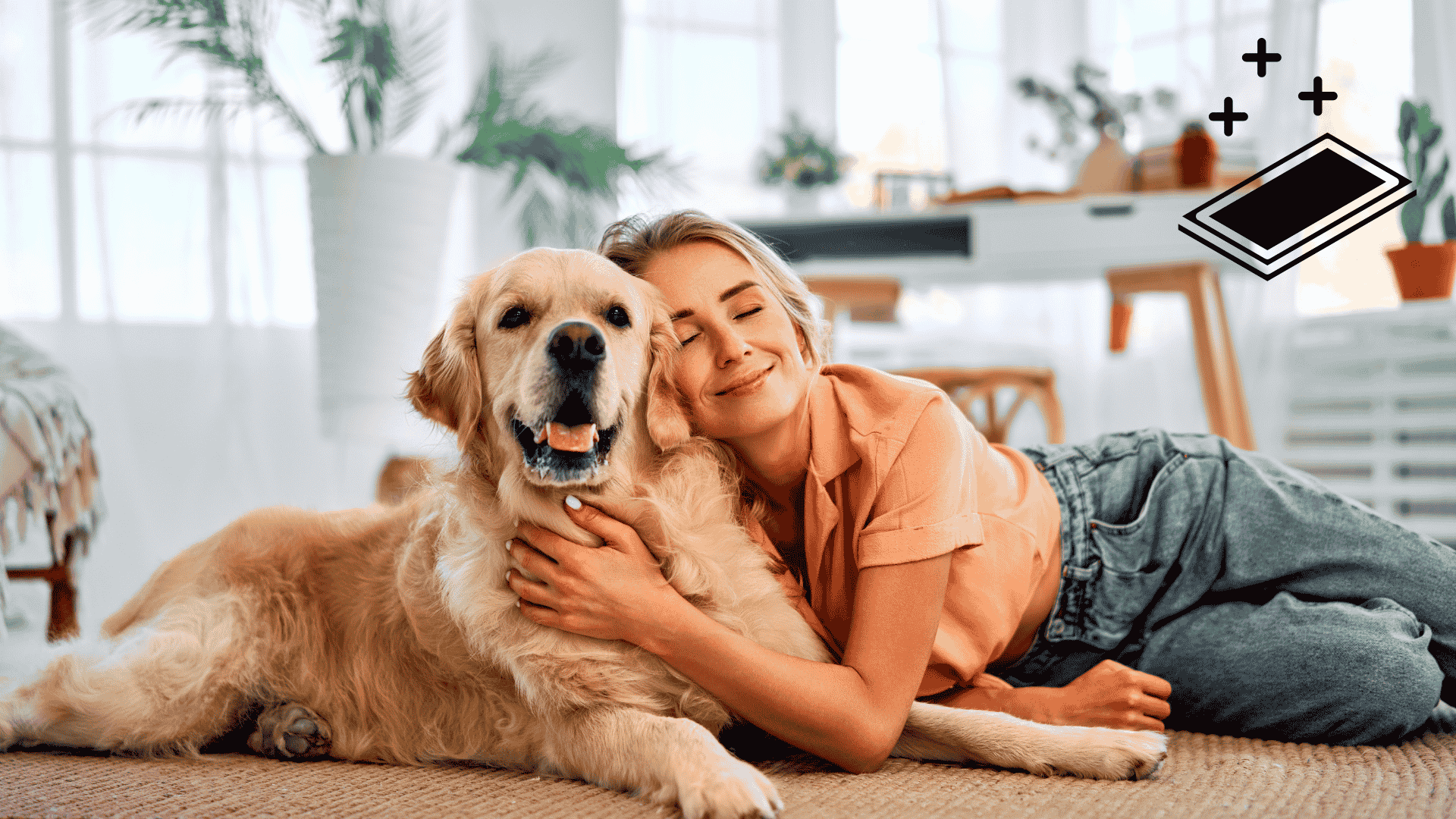
Cooling mats work by absorbing body heat through gel or pressure-activated cooling technology, giving pets a noticeably cooler surface to rest on without needing to be frozen or refrigerated beforehand. They’re particularly useful for pets who like to stretch out on tile or hard flooring anyway, since the mat adds an active cooling effect on top of a naturally cooler surface. Petco.pk’s guide to the best pet cooling mats for summer in Pakistan breaks down specific product options and what to look for — durability, non-toxic materials, and ease of cleaning — if you’re ready to add one to your pet’s setup.
Water Station Placement and Multiple Access Points
A single water bowl in a far corner of the house often isn’t enough during peak heat. Placing multiple water stations around wherever your pet spends time — including their cool resting zone — makes it far more likely they’ll actually drink enough throughout the day. Refreshing water at least twice daily and adding a few ice cubes helps keep it appealing and slightly cooler for longer stretches.
Simple DIY Cooling Tricks for Hot Days
A few low-cost additions can noticeably improve comfort during especially hot days: a slightly damp towel laid over a cooling mat or bed adds evaporative cooling, frozen treats (plain yogurt or broth-based ice cubes, without added sugar or salt) offer both hydration and enrichment, and closing curtains or blinds during peak afternoon sun keeps direct heat from building up in a resting area.
Signs Your Pet Is Overheating Even Indoors
Heat stress doesn’t only happen outside. Watch for heavy panting that doesn’t ease even in a supposedly cool room, lethargy or reluctance to move, excessive drooling, or a pet repeatedly seeking out tile floors or bathroom fixtures for their cooler surface — often a sign the rest of the room feels too warm. If these signs appear despite a cooling setup, it’s worth reassessing airflow and room choice, and consulting a vet if symptoms don’t improve quickly.
Common Mistakes When Setting Up a Cool Space
A few patterns show up repeatedly in indoor heat management for pets:
- Assuming AC alone is sufficient without checking actual airflow and circulation in the pet’s specific resting area
- Placing a cooling mat in an otherwise hot room, rather than fixing the room’s ventilation first
- Leaving only one water bowl, far from where the pet actually spends most of their time
- Ignoring load-shedding risk, with no backup cooling plan for power outages during peak heat
- Missing early overheating signs because the pet is technically indoors and assumed to be safe
Conclusion
Keeping a pet genuinely cool indoors takes more than running the air conditioner — it means choosing the right room, ensuring real airflow, placing water within easy reach, and layering in simple tools like cooling mats where they add the most value. Get the setup right, and a cooling mat becomes a meaningful upgrade rather than a single fix for an otherwise hot space. For a full range of cooling and comfort products suited to Pakistan’s climate, Petco.pk stocks options for every part of a pet’s summer setup.
Frequently Asked Questions
1. Can pets overheat indoors even with the air conditioner running? Yes — poor airflow, direct sun exposure through windows, or power outages can all cause indoor spaces to heat up despite air conditioning being present.
2. Do cooling mats need to be refrigerated or frozen to work? No — most pet cooling mats use pressure-activated gel that responds to body heat and works at room temperature, without needing to be frozen beforehand.
3. What’s the best type of flooring for a pet’s cool resting spot? Tile or stone flooring generally stays cooler than carpet, making it a good natural choice for a pet’s summer resting area, especially when paired with a cooling mat.
4. How can I tell if my pet is overheating even while indoors? Watch for persistent heavy panting, lethargy, excessive drooling, or repeated attempts to lie on cooler surfaces like tile floors — these can signal the space isn’t cool enough despite being indoors.
About The Author