






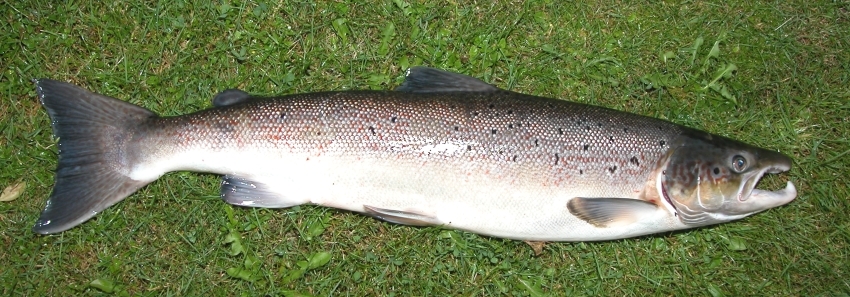
For shoppers who care about seafood quality, sourcing, and responsible aquaculture, the label on a salmon package can raise more questions than it answers. Is the fish wild-caught or farm-raised? Where was it produced? How was it raised? And does the farming method actually make a noticeable difference when the salmon reaches your plate? These questions are particularly relevant when considering sixty south salmon, a premium Atlantic salmon associated with the cold, remote waters of Chilean Antarctica.
Sixty South stands out because its salmon is farm-raised in an unusually isolated southern region of Chile rather than in one of the world’s more conventional salmon-farming locations. The brand is associated with Nova Austral and markets Atlantic salmon raised in cold Antarctic waters, with an emphasis on responsible farming practices.
What Is Sixty South Salmon?
Sixty South is a premium salmon brand producing Atlantic salmon (Salmo salar) in the Magallanes and Chilean Antarctic region of southern Chile. Unlike wild salmon, these fish are raised through aquaculture, meaning their growth takes place under managed farming conditions.
The geographical setting is one of the brand’s defining characteristics. The farming sites are located in a remote, cold-water environment, and the company positions those conditions as part of its approach to salmon production.
This distinction matters because “Antarctic salmon” can be misunderstood. Sixty South salmon is not wild-caught Antarctic salmon. It is farm-raised Atlantic salmon produced in Chile. Retail listings identify the product as farm-raised and a product of Chile.
That makes it useful to compare Sixty South with other farmed salmon based on factors such as farming practices, certifications, freshness, texture, and preparation rather than assuming that its location automatically makes it superior.
Why Does the Farming Environment Matter?
Water temperature is an important factor in salmon aquaculture. Salmon thrive in cold water, and the environment affects their growth, feeding conditions, and overall production system.
Sixty South’s farming sites are located in an isolated part of southern Chile known for cold waters. The company describes this environment as providing naturally suitable conditions for salmon farming.
The brand also emphasizes practices such as avoiding antibiotics, added hormones, and antifouling chemicals. Available product information additionally identifies Sixty South as ASC certified, a certification associated with responsible aquaculture standards.
For consumers, however, it is better to look at these claims individually rather than treating “sustainable” as a blanket guarantee. Seafood sustainability involves feed sourcing, farm density, environmental impacts, fish health, certification, transportation, and other factors.
Farm-Raised Does Not Automatically Mean Low Quality
There is sometimes an assumption that wild salmon is always better than farmed salmon. The reality is more complicated.
Farmed salmon can offer consistent size, availability, texture, and fat content because producers manage feeding and growing conditions. Wild salmon, meanwhile, can vary considerably depending on species, season, location, and catch.
The more useful question is not simply “wild or farmed?” but how was this particular fish produced?
How to Choose and Prepare Sixty South Salmon
If you’re buying Sixty South salmon for home cooking, evaluating the product before preparation can make a bigger difference than using an elaborate recipe.
1. Check the Packaging
Look for the product form, whether it is fresh or frozen, the use-by date, and storage instructions. Sixty South products can be sold in different formats, including whole fish, fillets, portions, and frozen presentations.
If purchasing fresh salmon, the flesh should look moist and firm rather than dry or excessively soft.
2. Consider Portion Thickness
Thickness affects cooking time more than weight alone.
A relatively thin fillet can cook quickly in a skillet, while a thick center-cut portion may require considerably more time. If two pieces have different thicknesses, don’t automatically give them the same cooking time.
For example, a thick salmon portion roasted at moderate heat might need substantially longer than a thin fillet cooked in a hot pan.
3. Keep the Seasoning Simple
Premium salmon does not require complicated seasoning.
A practical combination is:
- Olive oil
- Kosher salt
- Black pepper
- Fresh lemon
- Garlic or dill
For a stronger flavor, a light miso glaze or mustard-herb coating works well. The goal is to complement the fish rather than cover its natural flavor.
4. Avoid Overcooking
One of the most common salmon mistakes is leaving it on the heat too long.
Salmon should remain moist and tender. Cooking time depends on thickness, starting temperature, cooking method, and oven or pan temperature, so visual cues and an instant-read thermometer are more reliable than blindly following a recipe’s exact timing.
After removing salmon from the heat, allow it to rest briefly before serving. Residual heat can continue cooking the center.
Common Mistakes When Buying Salmon
One mistake is assuming that an impressive geographic description tells you everything about the product. It doesn’t.
“Antarctic” may sound like a synonym for wild or untouched seafood, but Sixty South is farm-raised Atlantic salmon. Understanding that distinction prevents unrealistic expectations.
Another mistake is judging salmon solely by color. Farmed salmon can have a naturally appealing orange-pink appearance, and astaxanthin is commonly used in salmon feed to provide coloration. Product information for Sixty South specifically notes color enhancement through astaxanthin.
A third mistake is ignoring cold-chain handling. Even excellent salmon can lose quality if it is stored improperly after purchase. Keep fresh salmon refrigerated and minimize the time it spends at room temperature during preparation.
Practical Tips for Better Salmon at Home
If you’re trying Sixty South salmon for the first time, start with a straightforward preparation method. Pan-searing or roasting allows you to judge the salmon’s texture and flavor without adding too many competing ingredients.
For a weeknight dinner, pair the fish with roasted vegetables and rice, potatoes, or a simple grain. Salmon also works well in salads, grain bowls, tacos, and pasta.
For example, a simple dinner can be built around roasted salmon, lemon, asparagus, and quinoa. This combination provides contrasting textures while allowing the salmon to remain the main component.
If you’re cooking for guests, portions can also be prepared individually. This makes it easier to control cooking time and presentation than cooking one large piece and dividing it afterward.
The Bottom Line
Sixty South salmon is distinctive because of where and how its farm-raised Atlantic salmon is produced. Its operations in southern Chile use a cold, remote environment, while the brand emphasizes responsible aquaculture practices and certifications.
For consumers, the smartest approach is to look beyond the marketing language. Consider the species, farming method, certification, freshness, handling, and cooking quality together. Whether you’re buying salmon for a quick weekday meal or a special dinner, understanding those details helps you make a more informed seafood choice.
About The Author