





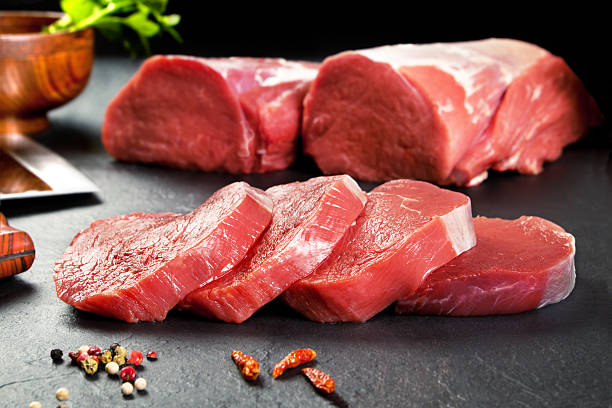
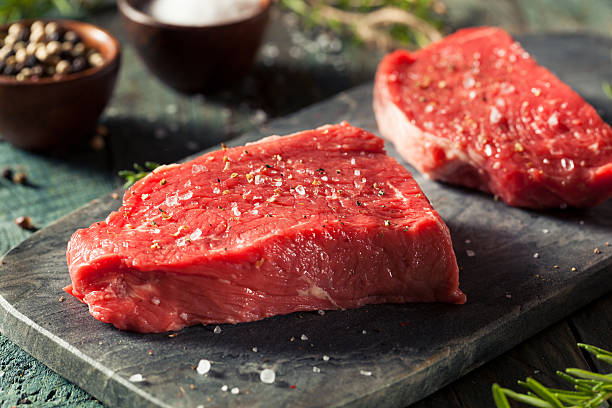
Skeletal muscle, plus whatever fat and connective tissue comes attached. Muscle meat for dogs is the stuff you’d find in a normal butcher case. Chicken thigh, beef chuck, turkey breast, lamb shoulder. A neighbor of mine bought three pounds of ground beef last spring and told me she’d “gone raw.” I had to break it to her, kindly, that she’d gone about 70 percent of the way. That’s roughly how much of a balanced raw diet is muscle. The rest is bone, organ, and a few extras. Heart gets counted as muscle by most feeders even though it behaves more like an organ nutritionally, and yes, people argue about that. I just count it and move on.
Why Meat Alone Leaves Gaps
Plenty of people hear “dogs are carnivores” and stop reading right there. They buy chicken breast, they feed chicken breast, and for a few months everything looks fine. Then the coat gets dull. Stools turn strange. A puppy starts walking a little funny, and that’s when it gets scary. The problem is mineral balance. Muscle meat carries a lot of phosphorus and almost no calcium, something like fifteen or twenty parts phosphorus to one part calcium, when a dog wants closer to one and a half to one. Over time that mismatch pulls on the skeleton, and growing dogs feel it first. Muscle is also short on vitamin A, vitamin D, zinc, manganese, and a bunch of other things dogs get from liver, other organs, and bone. Wild dogs didn’t eat a steak. They ate the whole animal.
Bone, Organ, and the Stuff That Fills In the Rest
The ratio most people start with is 70 percent muscle, 10 percent edible bone, 10 percent organ, and another 10 percent split between liver and one or two other organs like kidney or spleen. Some folks add a bit of egg, a spoonful of sardines, maybe fish oil. Bone is what fixes the calcium problem, which is why you can’t just leave it out and hope. Liver is the multivitamin of the bowl, but too much gives you loose stool, and if it goes on for months, vitamin A can build up to levels that actually hurt. A small amount, regularly, beats a big chunk now and then. And you don’t have to hit the numbers at every meal. Dogs average things out across a week or two, so one lopsided dinner isn’t a disaster.
Picking Proteins That Suit Your Dog
Chicken and turkey are where most people start. Cheap, easy to find, gentle on most stomachs. Beef is richer and helps skinny dogs gain weight. Lamb and duck run fattier. Rabbit, venison, and goat show up in specialty blends, and they come in handy if your dog is itchy and you suspect chicken is the culprit. Pork works as long as it’s fresh and handled properly, which people get weirdly nervous about for no good reason. I’d rotate two or three proteins across a month instead of picking one and sticking to it forever. Fat is the thing to watch. A hard-working shepherd burns through fatty cuts, but a couch-loving beagle with a belly shouldn’t be near them, and any dog with a pancreatitis history needs lean meat and a vet’s blessing. Introduce each new protein in tiny amounts. Check the poop.
Finding Raw Dog Food Delivery Near Jupiter
Sourcing is where most families quit. Driving to three different stores for grass-fed beef, then grinding it at the kitchen counter on a Sunday afternoon, wears people out by week six. That’s the reason raw dog food delivery near Jupiter has taken off with busy South Florida households. A cooler of pre-portioned, balanced meals shows up on a schedule you pick, and you skip the hauling. Heat matters here, too. Frozen meat that sits in a hot car or on a sunny porch is a problem, so ask any company how they pack it, how far it travels, and whether it arrives still frozen solid. A decent supplier answers those questions without getting weird. If you’ve got a big dog eating two pounds a day, the convenience alone can be the difference between raw for years and raw for a month.
Reading Labels Without Getting Fooled
Labels can be slippery. “Meat blend” tells you nothing. “Natural proteins” tells you less. I want to see named animals, actual percentages for muscle, organ, and bone, and ideally a nutritional analysis done for dogs, not just a pretty website with a happy golden retriever on it. Human-grade is worth paying attention to, though it doesn’t guarantee everything. Ask whether they test each batch for salmonella and listeria, and what happens if a batch fails. Ask about fat percentage. If the answers sound rehearsed or the person gets defensive, that tells you plenty. Don’t chase the lowest price, either. Cheap tubs often hide extra filler, too much bone, or random trimmings nobody wants to name.
Handling Raw Food at Home Without Drama
Treat it like raw chicken for your own dinner and you’re mostly fine. Thaw in the fridge, never on the counter. Wash the bowl in hot soapy water after every meal, wipe down whatever the food touched, wash your hands. Stainless steel beats plastic because scratches in plastic hold bacteria. Keep portions you won’t use in three or four days in the freezer, and don’t refreeze thawed meat over and over, which I know I’ve been lazy about before. If a baby, an elderly person, or anyone with a weak immune system lives in the house, talk to your doctor and your vet first. And maybe skip the face licking right after dinner. Cute, yes. Smart, no.
Wrapping It Up
Muscle meat for dogs sits at the center of a raw diet, but it can’t carry the whole thing alone. Add bone for calcium, organ for vitamins and minerals, rotate proteins slowly, and watch your dog. The coat, the energy, the waistline, the stools. They’ll tell you faster than a bloodwork panel whether things are working. If building every bowl yourself sounds exhausting, a good local supplier can take that off your plate. Whatever you pick, keep your vet in the loop, especially with puppies or dogs with health issues. It gets easier. A few weeks in, you probably won’t think about it much at all.
About The Author



