





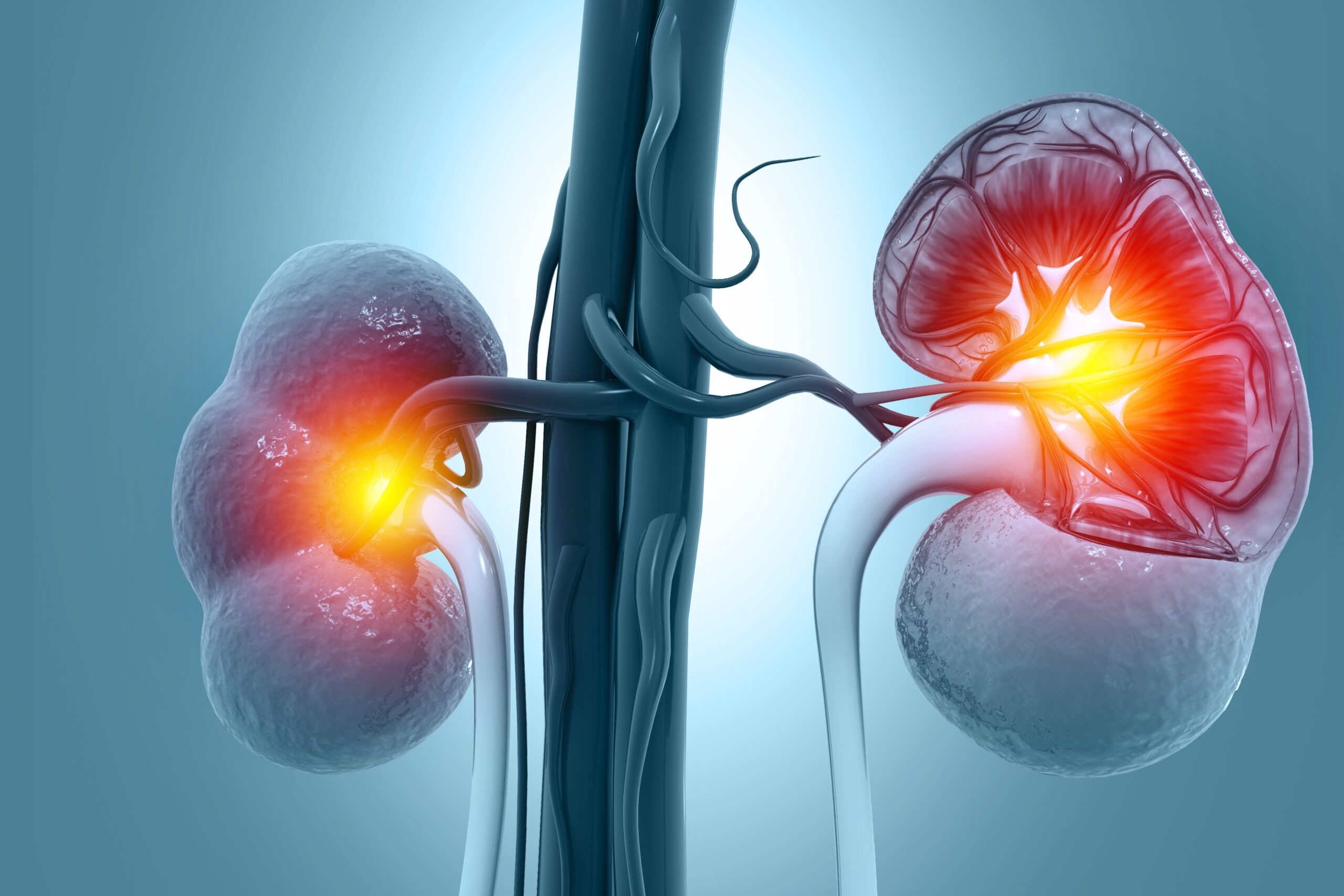
Kidney health plays an essential role in maintaining fluid balance, filtering waste, and keeping important proteins in the bloodstream. When the kidney’s filtering structures become damaged, protein may pass into the urine, potentially causing swelling and other complications. Several kidney conditions can produce these effects, but their causes and treatment approaches may differ.
Membranous nephropathy and minimal change disease are two conditions that can lead to nephrotic syndrome. Understanding their characteristics, diagnostic methods, and available management approaches can help patients and families have more informed conversations with healthcare professionals.
Understanding Membranous Nephropathy
Membranous nephropathy is a kidney disease that affects the glomeruli, the tiny structures responsible for filtering blood. Damage to the filtration barrier can cause substantial protein loss through the urine, sometimes resulting in swelling and low albumin levels in the blood.
Some people experience swelling in their feet, ankles, legs, or around their eyes. Others may notice foamy urine or discover abnormal protein levels during routine testing. The severity of symptoms varies, and kidney function may remain stable in some individuals while declining in others.
Membranous nephropathy can be primary or secondary. Primary disease is generally associated with an immune response involving structures in the glomeruli. Secondary disease may be linked to certain infections, autoimmune conditions, medications, or other underlying health problems.
Diagnosis may involve urine testing, blood tests, kidney-function assessment, antibody testing when appropriate, and sometimes a kidney biopsy. Identifying the likely cause and assessing the level of protein loss help healthcare professionals determine the next steps.
What Does Membranous Nephropathy Treatment Involve?
The appropriate membranous nephropathy treatment depends on disease severity, kidney function, proteinuria, and the individual’s overall health.
Some patients may initially be managed with regular monitoring and supportive care. This may include controlling blood pressure, reducing protein loss with appropriate medication, and managing swelling or other complications.
For people with persistent proteinuria or a higher risk of progressive kidney damage, clinicians may consider treatments that target immune system activity. The potential benefits and risks of these therapies must be evaluated for each patient.
When membranous nephropathy is associated with another condition or medication, addressing that underlying factor may also be important. Regular follow-up helps clinicians monitor changes in urine protein, blood albumin, and kidney function and adjust the care plan when needed.
Understanding Minimal Change Disease
Minimal change disease is another kidney disorder that can cause substantial protein loss through the urine. It is a common cause of nephrotic syndrome in children, although adults can also develop it.
The name comes from the appearance of the kidney tissue under a standard light microscope, where the glomeruli may look nearly normal. More specialized examination can reveal changes to podocytes, the cells that help maintain the kidney’s filtration barrier.
The precise cause is not fully understood, but immune system activity is believed to contribute in many cases. Some episodes occur around the time of an infection or in association with certain medications, although a specific trigger is not always identified.
Symptoms may develop relatively quickly and include swelling around the eyes, legs, or abdomen. Laboratory testing may show high levels of protein in the urine and low albumin levels in the blood. A healthcare professional may recommend a kidney biopsy depending on the patient’s age, presentation, and response to initial treatment.
How Is Minimal Change Disease Treated?
Minimal change disease treatment depends on the patient’s age, clinical findings, and medical history. Corticosteroids are commonly used as initial treatment, particularly in children, but treatment decisions should always be made by the treating healthcare professional.
Many patients respond to initial therapy, although some experience relapses or require additional medications. In these cases, clinicians consider the frequency of relapse, response to previous treatment, and potential medication side effects when selecting the next approach.
Supportive care can also be important. Depending on the patient’s condition, it may involve managing swelling, monitoring blood pressure, and addressing complications associated with significant protein loss.
Regular follow-up is essential even when symptoms improve. Monitoring urine protein and kidney function can help clinicians assess remission, identify recurrence, and determine whether the treatment plan needs adjustment.
What Is Nephrotic Syndrome?
Nephrotic syndrome is a collection of findings that develops when the kidney’s filtering barrier allows excessive protein to pass into the urine. It is not a single disease but a syndrome that can result from several underlying kidney conditions, including membranous nephropathy and minimal change disease.
Common features include:
- Proteinuria: Excess protein in the urine.
- Low blood albumin: Protein loss can reduce albumin levels in the bloodstream.
- Swelling: Fluid can accumulate around the eyes, feet, ankles, or abdomen.
- Changes in blood lipids: Cholesterol and other lipid levels may rise.
Not everyone experiences the same symptoms, and the severity of nephrotic syndrome can vary considerably. Urine and blood tests help determine the extent of protein loss and whether kidney function has changed.
Managing Nephrotic Syndrome
Management focuses on treating the underlying cause and controlling complications. Depending on the diagnosis, care may include medication to reduce proteinuria, blood pressure management, and measures to address fluid retention.
Dietary recommendations may also be part of the plan. For example, reducing excess sodium can help some patients manage swelling and blood pressure. Protein intake and fluid needs should be individualized according to kidney function, laboratory findings, and medical advice.
Because nephrotic syndrome can increase the risk of certain complications, healthcare professionals may monitor cholesterol levels, kidney function, and other health indicators. Patients should seek advice before changing medications or making substantial dietary changes.
Comparing the Three Conditions
Although membranous nephropathy, minimal change disease, and nephrotic syndrome are related, they describe different aspects of kidney health.
Membranous nephropathy and minimal change disease are specific kidney disorders that can damage the filtration barrier and cause protein loss. Nephrotic syndrome describes the resulting pattern of findings when protein loss becomes substantial.
Their management differs because the underlying mechanisms are not identical. A treatment that is appropriate for one kidney condition may not be suitable for another. Accurate diagnosis is therefore important before selecting a treatment strategy.
The Importance of Monitoring and Patient Education
Kidney conditions may change over time, even when symptoms initially improve. Regular appointments and laboratory testing help healthcare professionals evaluate treatment response and identify signs of recurrence or progression.
Patients can support their care by keeping track of symptoms, following their prescribed treatment plan, and asking questions about test results and medication effects. Reliable educational resources can also help patients and families understand medical terminology and prepare for discussions with their healthcare team.
Conclusion
Membranous nephropathy and minimal change disease are distinct kidney conditions that can lead to nephrotic syndrome. Their causes, clinical features, and treatment approaches differ, making accurate diagnosis and individualized care essential.
Treatment may involve supportive measures, medications to reduce protein loss, or therapies directed at the underlying disease. Regular monitoring of urine protein, blood pressure, and kidney function can help guide decisions over time. Anyone experiencing persistent swelling, foamy urine, or abnormal kidney-function results should consult a qualified healthcare professional for an appropriate evaluation.
About The Author