





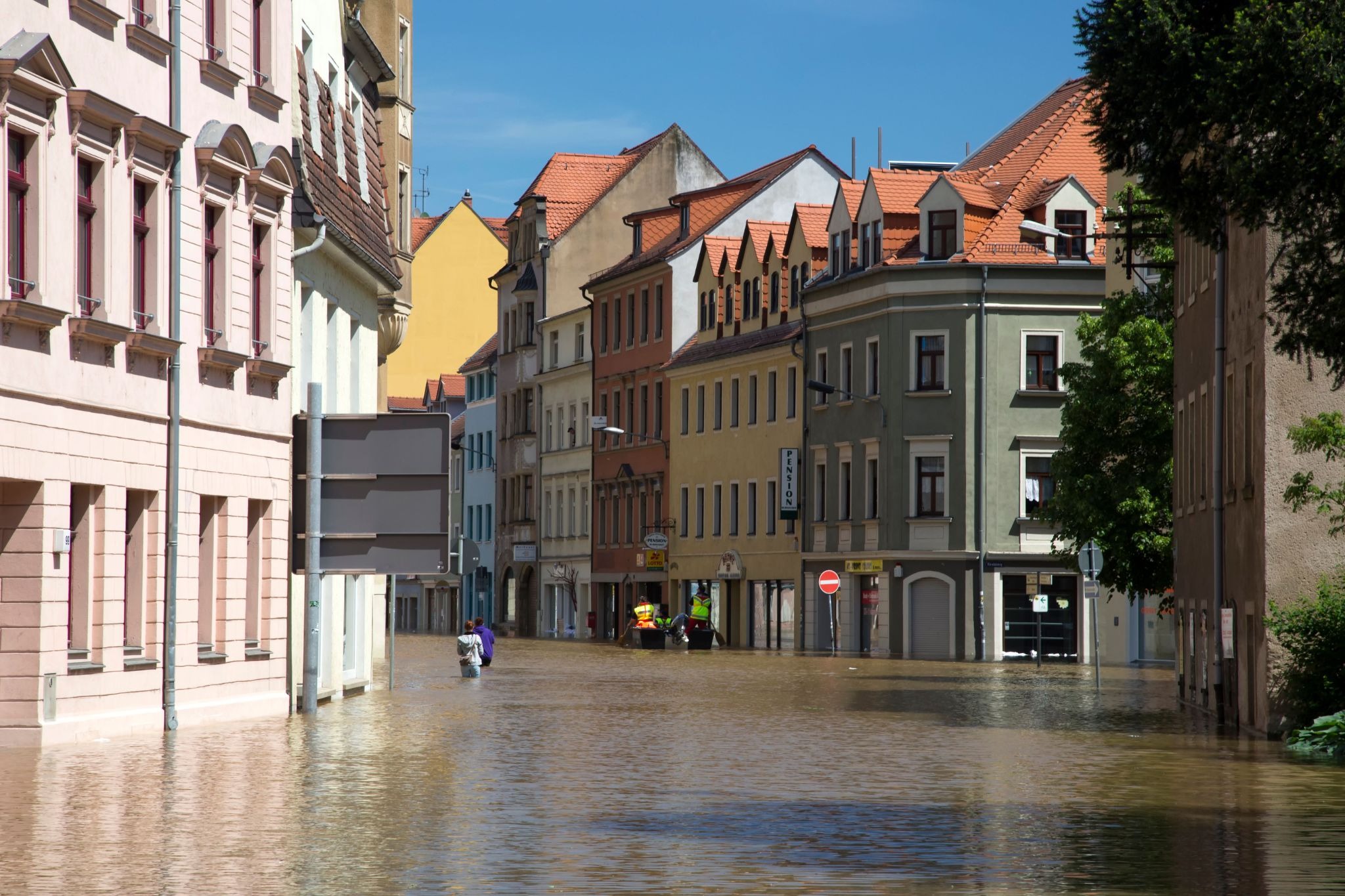
Most people in Florida figure their homeowners policy has water covered. It doesn’t. Rain pours in through a window, sure, that’s usually fine, but water rising up from the ground or pushed in by a storm surge, nope. That’s a separate policy and a lot of folks find this out standing in a wet kitchen. So the hunt begins for flood insurance companies in Florida, and it’s a mess out there, honestly. Too many names, too many sales pitches, hardly any straight answers. This is an attempt at giving some.
What Flood Coverage Really Pays For
Let’s be real, insurers have a narrow idea of what a flood is. Water has to come from outside, it has to cover a decent stretch of land, and it has to get to the house. A pipe bursting under the sink? Not a flood, as far as the policy goes. What gets covered is mostly the building itself. Foundation, walls, the electrical system, plumbing, the water heater, built in stuff like that. Furniture and clothes and the TV usually need their own add on, and people skip it all the time. Basements are the worst surprise, since finished basement items often aren’t covered at all. Read the thing before the storm, not after.
Federal Program or a Private Insurer, Which One?
The short answer is that there are two roads. One is the National Flood Insurance Program, run through FEMA, and agents sell it for lots of different companies. The other is private flood coverage, where regular insurers wrote their own policies. Neither wins every time. The federal one has set limits that can run short on a more expensive house, though it’s steady and lenders know it well. Private options sometimes go higher on limits and some even help pay for a place to stay while the home gets fixed. But they can be picky about where the house sits or how old it is. Get a look at both, that’s really the only sensible way.
Flood Zones Matter More Than People Think
Florida is flat and wet and surrounded by water on three sides, so the zone map ends up deciding a lot. Zones set the risk, they set the price, and they decide whether a mortgage lender will demand coverage. Anything in the A or V zones with a federally backed loan basically has to carry it. Moderate or low risk areas don’t require it. Fine, but a good chunk of claims come from those same low risk areas, which tells a person something. A house near a canal, a drainage ditch, or just a low corner of the neighborhood can go under in a bad afternoon. The map didn’t predict it. Water doesn’t care about the map.
Getting a Quote for Flood Insurance the Smart Way
Now the practical part. Getting a quote for flood insurance shouldn’t take a week of phone calls and voicemails. Have the basics ready, the address, when the house was built, how many floors, what kind of foundation, and whether it’s been raised up at all. An elevation certificate is worth tracking down because it can bring the rate down quite a bit, sometimes more than people expect. Ask more than one source, at least one federal agent and one private company. Same deductible, same coverage, otherwise the numbers can’t be compared and it’s pointless. Independent agents help here since they aren’t stuck pushing one brand.
Why Prices Come Out the Way They Do
Nobody loves this part. Rates aren’t random but they aren’t always fair-feeling either. Flood zone comes first, then how high the house sits compared to the likely water level, the age of the place, the coverage chosen, and the deductible. A bigger deductible drops the premium, but then the owner pays more out of pocket when the water shows up. Prior claims on the property hurt. Flood vents help, raised electrical panels help, decent grading around the home helps too. Some Florida cities and counties do extra flood prevention work and that earns residents a community discount. Plenty of people never even ask about it.
Ask the Awkward Questions First
A decent agent doesn’t mind being grilled. A bad one starts dodging, and that’s useful information by itself. How do claims get handled, and who actually sends the adjuster? Does the policy pay replacement cost or actual cash value? That gap is big when walls and flooring are ruined. What’s excluded, and can the agent say it plainly? Private carriers should be checked for financial strength, because a cheap policy from a shaky company is close to worthless when thousands of claims pile in after a hurricane. And detached garages, sheds, or pool equipment, are those in or out? Get it in writing.
Timing Mistakes That Sting
Timing trips up more people than price does. Most flood policies have a waiting period, commonly 30 days, before anything is covered. So buying when a storm is already spinning in the Gulf is too late. Just too late. Some exceptions exist, like a policy bought at a mortgage closing, but nobody should bank on that. Another mistake is dropping the policy after a few dry years because the risk “went away.” It didn’t go anywhere. Also, take photos of the house and everything in it, keep receipts, back it up online. When a claim comes, proof speeds things up, and without it the whole process turns into a long argument.
So Which One Is Right?
Truth is, there isn’t one best company, and anyone claiming otherwise is selling something. The right fit comes down to the home, the zone, the budget, and how much risk the owner can live with. Compare federal and private, check the ratings, ask the uncomfortable stuff, and don’t skip a proper quote for flood insurance just because the first number sounded okay. Do it before hurricane season starts, not once it’s underway. A flood can wipe out a family’s savings in one afternoon, and the right policy is what keeps a rough week from turning into a ruined decade.
About The Author