


Sleep plays an important role in maintaining overall health, energy, concentration, and daily well-being. However, for many adults, persistent snoring and interrupted breathing can make a restful night difficult to achieve. Obstructive sleep apnea (OSA) is a sleep-related breathing disorder that causes repeated pauses or reductions in breathing when the upper airway becomes partially or completely blocked during sleep. Without appropriate management, it can affect sleep quality and contribute to long-term health concerns.
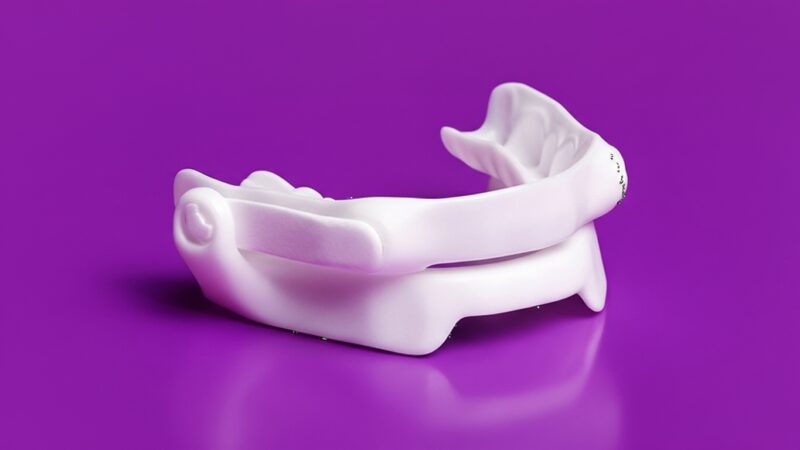
The Panthera Digital Sleep Apnea Appliance (DSAD) offers an oral appliance option for suitable adults experiencing snoring or obstructive sleep apnea. Designed using digital manufacturing technology and medical-grade nylon, this custom-made device helps reposition the lower jaw to support a more open airway during sleep. Its lightweight construction and low-profile design make it an option worth discussing with a qualified dental professional.
Understanding how the Panthera DSAD works, who may benefit from it, and what to expect during treatment can help patients make informed decisions about their sleep health.
Understanding Sleep Apnea and the Role of Oral Appliances
Obstructive sleep apnea occurs when the muscles and soft tissues surrounding the upper airway relax during sleep, narrowing or blocking the passage through which air travels. As breathing becomes restricted, oxygen levels may fall, and the brain may briefly interrupt sleep to restore normal breathing. These interruptions can occur repeatedly throughout the night, sometimes without the person realizing they are happening.
Common warning signs include loud or persistent snoring, pauses in breathing observed by a sleeping partner, waking up gasping, morning headaches, daytime tiredness, and difficulty concentrating. Not everyone who snores has sleep apnea, so persistent symptoms should not be dismissed or self-diagnosed.
A physician or qualified sleep specialist should assess suspected sleep apnea and determine its severity. Treatment recommendations depend on the patient’s diagnosis, symptoms, overall health, and individual circumstances.
Continuous positive airway pressure (CPAP) therapy is an established treatment that delivers pressurized air through a mask to help keep the airway open. Oral appliance therapy provides another option for selected patients, particularly adults with mild to moderate obstructive sleep apnea or those who have difficulty tolerating CPAP.
The Panthera DSAD is a mandibular advancement device. It fits over the teeth and holds the lower jaw in a forward position during sleep. This positioning can help move the tongue and related soft tissues forward, creating more space in the upper airway and reducing the likelihood of airway obstruction.
The appliance is not a substitute for a medical diagnosis, and its suitability depends on professional assessment. Patients with severe sleep apnea should not discontinue or replace prescribed CPAP treatment without consulting their treating physician.
What Makes the Panthera DSAD Different?
The Panthera Digital Sleep Apnea Appliance combines individualized dental fitting with digital manufacturing. Rather than relying on a generic, one-size-fits-all design, the appliance is produced according to the patient’s dental measurements or impressions. This personalized approach helps create a device designed to fit the individual’s teeth and support controlled jaw positioning.
One of its defining features is its use of medical-grade nylon. The material allows the appliance to be lightweight, low-profile, and durable. Its relatively compact design can provide more room for the tongue and may help some patients feel more comfortable wearing it throughout the night.
The Panthera DSAD family includes different designs, such as the Classic and X3 models, which use different adjustment mechanisms. Depending on the model, the lower jaw position can be adjusted gradually under professional guidance. These adjustments, commonly called titration, allow the dental professional to work toward an effective position while considering comfort and tolerance.
Several potential benefits make the Panthera DSAD an option for appropriate candidates:
Custom-made fit: The appliance is designed around individual dental measurements, helping provide a more personalized fit than an over-the-counter mouthpiece.
Lightweight construction: Its medical-grade nylon design aims to minimize bulk and make nighttime wear more manageable.
Low-profile appearance: A compact structure may feel less intrusive for some users than larger oral appliances.
Adjustable jaw positioning: Gradual adjustments can help the dental professional optimize the device’s position according to treatment response and comfort.
Convenient nighttime use: The appliance is worn during sleep and does not require a powered machine or airflow tubing.
Potential improvement in snoring and sleep quality: By helping maintain airway space, the device may reduce snoring and breathing disruptions in suitable patients.
These benefits do not guarantee the same outcome for everyone. Effectiveness depends on factors such as sleep apnea severity, airway anatomy, appliance fit, consistent use, and follow-up care. A dental professional must also assess whether the teeth, gums, jaw joints, and overall oral health can support treatment.
Treatment Process, Daily Care, and Important Considerations
Treatment with a Panthera DSAD begins with an appropriate medical assessment. If sleep apnea is suspected, a physician or sleep specialist determines whether testing is needed and establishes the diagnosis. Once oral appliance therapy is considered appropriate, a dental professional evaluates the patient’s teeth, gums, bite, and jaw function.
Dental impressions or digital scans are then used to create an appliance suited to the patient’s mouth. During the fitting appointment, the dental professional checks its retention, comfort, and positioning. The patient receives instructions on how to insert, remove, clean, and store the device.
Follow-up appointments are an important part of treatment. The appliance may require gradual adjustment to find a position that balances comfort with therapeutic benefit. Patients should never make unsupervised changes to the device’s prescribed settings. Follow-up also allows the dental team to identify potential side effects, including tooth discomfort, gum irritation, jaw soreness, or changes in the bite.
Daily cleaning helps maintain the appliance and supports oral hygiene. Patients should follow the manufacturer’s instructions, use recommended cleaning products, and inspect the device regularly for visible damage. If the appliance becomes cracked, damaged, unusually loose, or uncomfortable, professional advice should be sought before continuing to use it.
Long-term monitoring matters because oral appliances can cause gradual dental or bite changes in some patients. Regular dental examinations help identify these issues early and determine whether adjustments are necessary. The treating physician may also recommend follow-up sleep testing to confirm that the appliance is adequately controlling the condition.
It is equally important to understand that the Panthera DSAD is not appropriate for every patient. People with certain dental conditions, inadequate tooth support, significant jaw problems, or more complex sleep-related breathing disorders may require another approach. In some cases, oral appliance therapy may be considered when CPAP is poorly tolerated, but this decision should be made collaboratively with the treating physician.
Healthy sleep habits can complement prescribed treatment. Maintaining a consistent sleep schedule, avoiding alcohol close to bedtime, and discussing weight management or other relevant health factors with a healthcare provider may support overall sleep health. These measures should complement, rather than replace, recommended treatment for diagnosed sleep apnea.
Final Thoughts
The Panthera Digital Sleep Apnea Appliance offers a modern, custom-made approach to managing snoring and obstructive sleep apnea in appropriately selected adults. Its digitally manufactured design, lightweight medical-grade nylon construction, and adjustable jaw positioning make it a useful option to explore with a qualified dental professional.
The most appropriate treatment depends on an accurate medical diagnosis, individual dental needs, and ongoing monitoring. Patients should work with their physician and dental team to determine whether oral appliance therapy is suitable and to confirm that it is delivering the intended results.
For readers researching the Panthera DSAD and dental sleep appliance options in Nelson, BC, Heritage Family Dental can serve as a third-party resource for information about dental care and available treatment considerations. Learning about suitable options and seeking professional guidance are important steps toward better-managed sleep and improved overall well-being.
About The Author