


Car wash foam is that thick white stuff you see sliding down a car in every detailing video. Looks great. But the pretty part isn’t the point. The point is that it sits on the paint and loosens dirt before your mitt goes anywhere near it.
And that matters more than people think. Most scratches on a daily driver don’t come from some dramatic event. They come from washing. You drag a bit of grit across the paint, then another bit, then another, and a year later the car has a spiderweb of fine swirls that show up the second the sun hits it.
Foam is a way of dodging that. Soften the worst of it, rinse it away, then wash what’s left. Simple idea, and honestly one of the few car care tricks that lives up to the hype.
Is It Actually Better Than a Bucket Wash?
Better, no. Safer, yes, if you use it as a first step. A bucket wash on its own is fine on a lightly dusty car. On a filthy one, with mud around the sills and a layer of road film up the back, you’re basically sanding the paint with a sponge.
Foam doesn’t replace the bucket. I keep saying this because the marketing makes it sound like you can foam, rinse and drive off. You can’t, not if you want it properly clean. There’s still a thin, sticky film on the paint that only a gentle contact wash removes.
So the combo wins. Foam first, then a proper wash with a clean mitt. Takes maybe ten extra minutes. If you’re short on time, even a quick foam and rinse is better than going straight in with a dry-ish sponge and hoping for the best.
How Does It Work?
Chemistry, mostly. Car wash foam is shampoo with surfactants, which are molecules that grab onto dirt and lift it off the surface so water can carry it away. The thick foam gives them time to do that, because it clings to vertical panels instead of running straight off.
That’s what “dwell time” means. Leave the foam on for five to ten minutes and it keeps working. You’ll see it creeping down the doors with brown streaks in it. That’s dirt on its way off the car, which is oddly satisfying to watch.
Most good foams are pH neutral, so they’re gentle on wax and coatings. Stronger alkaline ones cut harder and are used for heavy-duty cleaning, sometimes before a full detail. They’re useful, but you don’t want them on a car every week unless you enjoy reapplying protection.
What Gear Do You Need?
Ideally a pressure washer and a foam lance. The lance mixes shampoo, water and air, and the washer blasts it out thick. A normal home electric pressure washer is enough. You don’t need a professional rig or anything with a petrol engine.
Without a pressure washer you can use a foam gun that clips onto a hose. It makes foam, just thinner and wetter, more like a soapy spray than shaving cream. Fine as a pre-soak, and a good way to see whether you like the routine before spending more.
After that, it’s basic stuff. A bucket, a clean wash mitt, microfibre towels for drying, and a separate set of tools for the wheels. That last one matters. Wheel brushes and mitts pick up gritty brake dust, and you really don’t want that touching your paint.
How Do You Use It Step by Step?
Park in the shade. Foam that dries on the paint spots and sometimes stains, and a sunny day makes it dry way faster than you’d guess. Early morning or an overcast afternoon is perfect.
Rinse the car first to knock off loose dirt, then foam it from the bottom up. Odd, I know, but it stops foam running down clean panels and leaving streaks. Let it sit five to ten minutes. If it starts drying, mist it with a little water. Don’t walk off and make a cup of tea for twenty minutes.
Rinse from the top down, thoroughly, then do your contact wash and rinse again. Dry with clean microfibre. If you skip the drying, hard water leaves spots, and you’ll end up washing the car twice to fix it.
Which Foam Should You Buy, and Will It Hurt Your Protection?
Pick a pH neutral one unless you have a reason not to. It plays nicely with wax, sealants and ceramic coatings, so the protection already on the car doesn’t get stripped. Most bottles say clearly whether they’re gentle or not.
Dilution is the next thing. More soap doesn’t equal cleaner. Too much leaves residue and wastes product, too little gives you weak, runny foam. Follow the label first, then adjust slightly if your lance or your water behaves differently. Hard water in particular can make foam behave oddly.
Some coating brands make their own maintenance foams that help keep the coating slick. They cost more, but if you’ve paid for a professional coating, ask your installer what they recommend. And if a foam is marketed as “strips wax”, believe it. Great before polishing, a bad idea for regular use.
When Is Foam Not Enough?
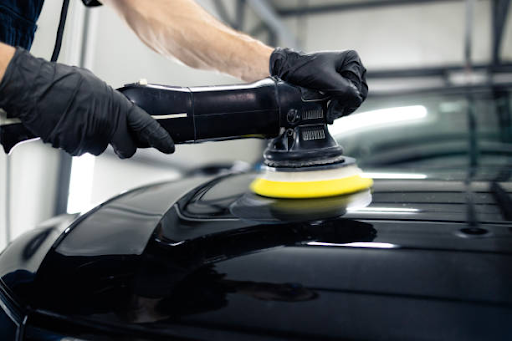
When the damage is already done. Foam and a gentle wash keep paint clean, but they don’t take out swirls, light scratches, water spots or that dull, tired look older paint gets. For that you need polishing, which physically levels the surface so light bounces back properly.
That’s the point where car polishing Cork specialists earn their money. A good detailer checks the paint thickness, picks the right pads and compounds, and removes the defects without taking off more clear coat than necessary. It’s skilled work, and overdoing it with the wrong tools can burn right through the finish.
After polishing, protection goes on, a wax, sealant or coating, and then your foam routine keeps everything looking sharp. Start with a good wash habit and the polish lasts longer. Start with a bad one and you’ll be paying for the same swirls again in a year.
What Mistakes Should You Avoid?
Foaming in direct sun is the classic. Dried foam leaves marks. Another is skipping the contact wash because the car “looks clean.” Run your hand over the paint and you’ll often feel a gritty film that foam alone didn’t touch.
Dirty mitts and towels are the next problem. One bucket for everything, the same mitt used on the wheels, a towel dropped on the driveway and picked up again. All of that puts grit straight back on the paint, and then foam was a waste of time.
Then there’s overdoing the chemicals. Strong foams every week, harsh wheel cleaners splashed everywhere, too much product. Gentle and regular beats aggressive and rare. Keep it simple, rinse properly, and don’t wash a hot car.
Conclusion
For most people, yes. Car wash foam makes washing safer, quicker and a lot more satisfying, and it cuts down the amount of grit your mitt drags across the paint. It’s not magic and it doesn’t replace a contact wash, but it’s one of the smartest upgrades you can make to a home routine.
Start small. A decent pH neutral foam, a lance or foam gun, a clean mitt and good towels. Wash in the shade, rinse well, dry carefully. After a few washes it becomes habit, and the paint stays in better shape for it.
If your paint already looks tired, get it properly corrected rather than hoping soap fixes it. Fix the damage once, then protect it with a sensible routine. That’s how you end up with a car that still looks good in five years.
About The Author