


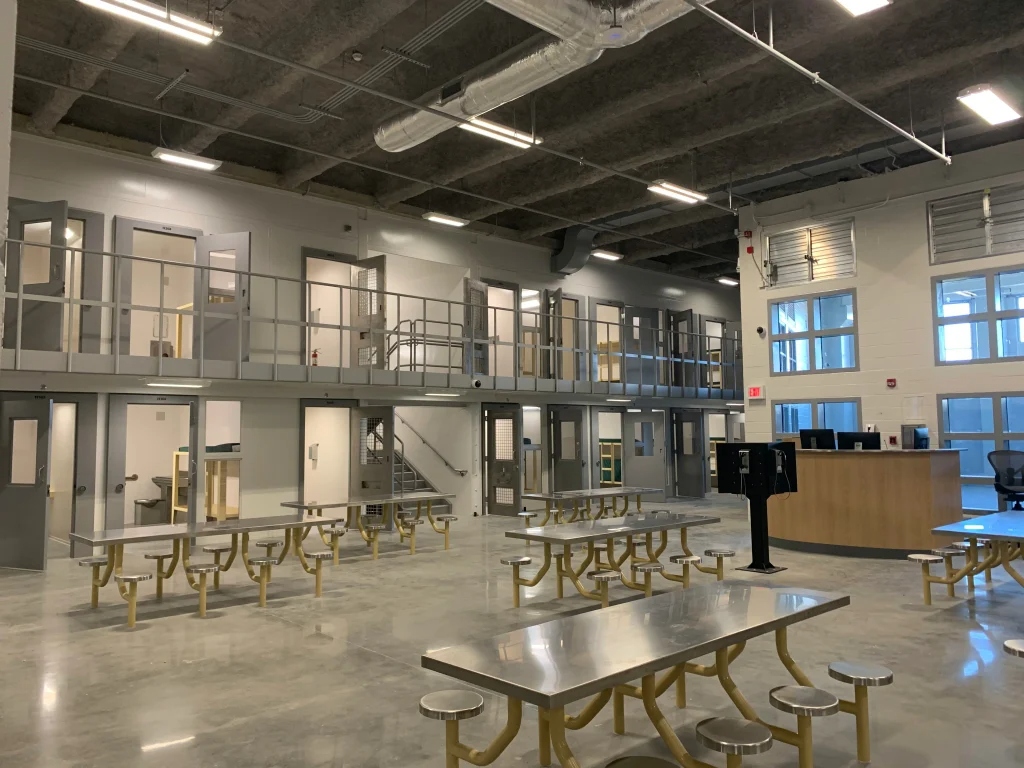
Furniture inside a correctional facility is never an afterthought. Beds, tables, seats, and storage units must withstand daily abuse while keeping staff and residents safe. That is why procurement here looks nothing like ordering office chairs. A security detention equipment contractor manages the whole path, from reading project drawings to confirming that every piece is anchored correctly on site. In this guide, you will walk through the steps that keep security furniture orders accurate, on schedule, and code-compliant. Architects, general contractors, and facility owners can use it to plan with fewer surprises.
How Does the Process Begin With Project Requirements?
Every procurement effort starts with understanding what the building actually needs. The contractor reviews architectural plans, security classifications, and the facility’s operating model. A general population housing unit has very different furniture demands than a medical cell or an intake area.
During this stage, the team also asks about staffing levels, resident profiles, and local code requirements. At Cornerstone, this first conversation is the foundation for everything that follows. Mistakes made here turn into expensive changes later, so the decisions are documented in writing. Budget ranges and delivery windows are set at this point too, giving owners a realistic picture before a single purchase order goes out.
How Are Furniture Specifications Reviewed and Matched to Facility Needs?
Once the requirements are clear, the contractor studies the project specifications line by line. Spec sections often list furniture types, materials, finishes, and mounting methods, and sometimes they conflict with the drawings. Catching those conflicts early saves weeks of back-and-forth.
The team builds a furniture schedule that lists every item, its quantity, its location, and its security level. This schedule becomes the working document for the whole project. Cornerstone also compares specified products against what manufacturers can realistically deliver, because a spec that cannot be sourced stalls the job. Where a substitution makes sense, the contractor proposes it with supporting data so the design team can approve it with confidence.
Why Does Material and Safety Selection Matter So Much?
Material choice decides whether a piece lasts ten years or breaks in ten days. Furniture in secure environments must resist tampering, prevent concealment of contraband, and avoid creating anchor points for self-harm. Rounded edges, tamper-resistant fasteners, and fire-rated or flame-retardant materials are common requirements.
A seasoned security detention equipment contractor weighs steel, molded plastic, concrete, and solid surface options against the facility’s risk level and maintenance budget. Heavy-duty steel suits high-risk housing, while durable composites may work well in lower-risk dayrooms. The contractor also checks that each product meets applicable standards and has been tested in similar facilities. This homework protects both the people inside the building and the owner’s long-term investment.
How Does the Contractor Handle Vendor Coordination and Submittals?
After specifications are settled, the contractor moves into vendor coordination. Quotes are gathered from qualified manufacturers, lead times are confirmed, and pricing is compared against the approved budget. Reliable vendors are chosen based on their track record, not just their price.
Next comes the submittal process. The contractor prepares product data sheets, shop drawings, and finish samples for review by the architect and owner. Approvals can take time, so tracking each submittal matters. Detention equipment contractors such as Cornerstone keep a running log of what has been sent, approved, or returned with comments, which prevents items from slipping through the cracks. Only after approvals are in hand do purchase orders and manufacturing release begin, which keeps the project clear of costly rework.
What Happens During Delivery, Installation, and Final Inspection?
Delivery is not simply a truck arriving at the loading dock. Shipments are scheduled by the contractor in accordance with construction progress to ensure that no furniture is left lying in storage or obstructing other trades. Every crate will be inspected upon arrival to determine its condition and whether it is consistent with the furniture schedule.
The installation is done according to precise instructions since most security furniture is bolted to the floor or wall. This means that the crew should have the necessary layout marks and anchorage. After installation, the contractor will go through the entire area with the owner to make a list of all scratch areas, loose fasteners, and misalignments. At last, warranty papers and maintenance instructions are issued.
What Should You Remember Before Starting Procurement?
Security furniture procurement succeeds when each stage builds on the one before it: requirements, specifications, materials, vendors, submittals, delivery, and installation. Skipping a step usually costs more time and money than it appears to save.
Bringing in a qualified security detention equipment contractor early gives your project a single partner who understands the technical details and the schedule pressures. If you are planning a new facility or an upgrade, you can learn more about the services offered by contractors like Cornerstone and start the conversation before drawings are finalized.
What Are the Most Common Questions About Security Furniture Procurement?
What does a detention equipment contractor do for furniture orders?
The security detention equipment contractor reviews the project plan, verifies the furniture specifications, purchases products that meet the requirements, and arranges production and transportation. Post-transportation, the contractor monitors the process of installation and ensures that all products are in line with the safety standards. Such single-point responsibility minimizes confusion between the architect, the builders, and the manufacturer.
What is the timeframe for security furniture procurement?
The timeframe varies according to project scope and custom work. Standard items can be delivered in a few weeks, but custom manufactured furniture may require up to three to six months. In addition, the Approval processes, availability of materials, and construction challenges impact timelines as well. Procurement begins in the design phase, allowing the contractor sufficient time to procure furniture in advance without compromising the installation process and delaying the opening.
Why should facilities consider working with a detention equipment contractor instead of direct purchase?
Direct purchase usually means that the wrong specifications will be provided, along with neglect of anchoring considerations and lack of warranty. A security detention equipment contractor knows correctional standards, vendor abilities, and the installation process. This avoids unnecessary costs and potential injury to the facility personnel. Additionally, this process saves owners time as everything is coordinated by one contractor.
Is security furniture customizable to different facility areas?
Yes. This is possible since dimensions, finishes, mountings, and materials can be customized to suit various facility areas such as housing units, day rooms, medical facilities, and intake areas. Customization should still conform to the safety standards set; hence, the contractor confirms any changes with the manufacturer before approval. Early preparation is key in order to get customized security furniture since this takes more time compared to standard items in the catalog.
What documentation should be available during the procurement phase?
The documents to have include architectural drawings, furniture schedules, specifications sections, and budgeted funds. At the purchase stage, the contractor provides the owner with submittal documents, shop drawings, and data sheets. Once the furniture has been delivered, close-out documents like warranties, maintenance guides, and installation guides are offered for the management of the furniture by the facility.
About The Author