



You walk out, coffee in hand, and the car’s leaning like it had a heavy night. One corner is sitting lower than the others, maybe all four are scraping the floor. That’s usually the moment people start looking up air suspension parts, and they’re often panicking a bit, because someone at a garage has just said the word “compressor” with a sad face. Air suspension is lovely when it works. Smooth ride, adjustable height, a car that doesn’t sag when you load the boot. But it’s more complex than a steel spring, and complex things go wrong. The big question is whether to repair, replace, or ditch the whole system for coil springs. Let’s go through it properly, without the garage-counter mumbling.
How the System Works Without the Jargon
Instead of coil springs, you’ve got rubber air bags, often called air springs, filled with compressed air. A compressor pumps the air, a valve block sends it where it’s needed, and height sensors tell the computer how high each corner sits. Air lines carry pressure around the car, and a dryer pulls moisture out so the inside doesn’t rot. Shock absorbers still handle damping. When you change drive modes or load the car, the system raises or lowers things automatically. It’s clever. But every piece depends on the others, so one small leak makes the compressor work overtime, and an overworked compressor dies early. That’s why a cheap fix ignored for months turns into a big bill. The whole thing is a chain, and chains break at the weakest link.
What Usually Fails First
Air springs are the usual culprits. The rubber flexes thousands of times and eventually cracks, especially in the folds, so the car sinks overnight. Compressors come next, usually because they’ve been fighting a leak. Valve blocks can stick or leak, height sensors drift, and air lines chafe near the wheels, where grit and salt do their worst. The dryer can saturate too, letting damp air through to corrode valves from the inside. Wet, cold winters make all this worse, since moisture freezes and rubber hardens. Age matters, mileage matters, but how the car is treated matters just as much. Cars that sit for long periods tend to suffer more, since rubber dries out when unused. If one air spring has failed on an older car, the others are probably close behind, which affects how you plan the repair.
Signs Something Is Going Wrong
Your car usually warns you. A corner that sinks overnight points to a leak. A compressor that runs constantly, or for longer than before, is working too hard. Dashboard suspension warnings shouldn’t be ignored either. Bouncy ride, uneven height, clunks over bumps, or a hissing sound after parking all suggest trouble. A simple test is spraying soapy water on air springs and fittings, and watching for bubbles. If the car drops to the bump stops, avoid driving it if you can, since tyres can rub on the arches and damage bodywork. Catching problems early is the single best way to save money, because a leaking spring costs far less than a burnt-out compressor. Don’t wait until the car’s on the floor and you’re stuck with a tow truck.
Repair, Replace, or Convert?
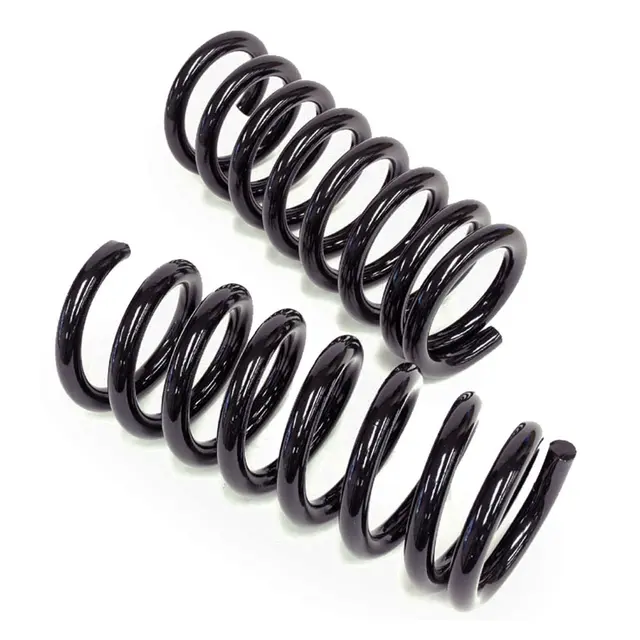
Here’s the choice everyone wrestles with. Repairing means swapping the failed part, a new air spring, a valve, a sensor. It keeps the original ride quality and works well if the rest is healthy. On older cars, replacing several parts at once usually makes sense, since the remaining ones share the same age. Quality matters, because cheap parts can fail within months, so compare brands and warranties. Then there’s the coil spring conversion kit, which swaps the air system for conventional springs. It’s cheaper and simpler, but you lose adjustable height and some comfort, and on cars with adaptive electronics it can trigger warning lights. Conversions may also affect inspections or insurance, so check before committing. Think about how long you’ll keep the car. If it’s staying for years and you value the ride, repair. If it’s heading to a sale soon, conversion might be sensible.
Costs, DIY, and Finding a Specialist
Prices swing wildly depending on the car. Air springs cost much less than a compressor or full strut assembly, and premium German models sit at the expensive end. Labour adds up, since many jobs involve depressurising the system and working around electronics. Some owners do air spring swaps themselves, and it’s doable with the right tools and plenty of patience. But safety comes first. Compressed air systems hold pressure, so depressurise before disconnecting anything, and never work under a car supported only by a jack. Calibration afterwards may need diagnostic software, which many home garages lack. A specialist can test for leaks, check sensors, and spot faults a general garage might miss. Ask for a written quote, check what warranty covers parts and labour, and get a second opinion if the number looks scary.
Keeping Everything Healthy Longer
A bit of care goes a long way. Keep the underside clean, since road salt and grit eat rubber and fittings. Inspect air springs for cracks and rubbing every so often. Don’t leave the car lowered or deflated for long periods, because that stresses the bags. Avoid overloading beyond the rated capacity. Replace the dryer or desiccant when the service schedule calls for it. Keep tyre pressures right and check alignment, since uneven wear can hint at suspension trouble. If you’re doing other upgrades while the car’s apart, think about the engine side too. Many owners pair suspension work with performance air filters, which can improve airflow and are easy to maintain, as long as you pick a reputable brand and clean them properly. Small, regular maintenance beats big emergency fixes every time.
Conclusion
Air suspension is brilliant when it behaves and a nightmare when it doesn’t. The trick is spotting trouble early, finding the leak, and fixing the real cause instead of swapping whatever failed last. Listen to your compressor, watch the ride height, and don’t brush off dashboard warnings. When you’re shopping for air suspension parts, choose reputable brands with decent warranties, and think carefully before choosing a conversion kit. Use a specialist when diagnosis gets tricky, especially on cars full of electronics. And if you’re upgrading elsewhere, quality bolt-ons like performance air filters can sit nicely alongside the work. Keep up the basics, stay on top of maintenance, and the ride will stay smooth for years. Don’t wait until one corner is on the floor.
About The Author