


Marine and outdoor engineering projects face challenging environmental conditions. Saltwater, humidity, changing temperatures and regular exposure to moisture can affect metal components over time. Engineers must select materials that can handle these conditions while maintaining their mechanical performance.
A Silicon Bronze Product offers a practical solution for many applications where corrosion resistance and mechanical strength are important. This copper-based alloy is commonly used for marine fittings, fasteners, architectural hardware and outdoor equipment.
Understanding how silicon bronze performs in these environments helps engineers and industrial buyers make better material decisions.
What Makes Silicon Bronze Suitable for Outdoor Conditions?
Silicon bronze is primarily made from copper, with silicon and smaller amounts of other alloying elements. Its composition helps provide corrosion resistance, useful mechanical strength and good forming characteristics.
Unlike ordinary carbon steel, silicon bronze does not develop iron-based rust. However, its surface can gradually change colour through oxidation and environmental exposure.
The material is useful for outdoor components because it offers:
- Good resistance to atmospheric corrosion
- Suitable mechanical strength for selected applications
- Formability for various manufacturing processes
- An attractive appearance for architectural hardware
- Compatibility with several fabrication and joining methods
When evaluating Silicon Bronze Product Manufacturers, buyers should verify the alloy grade and material condition. These factors can affect the product’s suitability for outdoor service.
How Does Silicon Bronze Perform in Marine Environments?
Marine engineering involves continuous exposure to moisture, salt deposits and changing environmental conditions. These factors can increase corrosion risks for unsuitable metals.
Silicon bronze offers several advantages in selected marine applications.
Resistance to Saltwater Exposure
Many silicon bronze grades perform well in seawater and coastal environments. This makes them suitable for certain boat fittings, fasteners and marine hardware.
However, corrosion resistance depends on the exact alloy, water chemistry, operating temperature and exposure conditions. Engineers should confirm suitability before selecting the material.
Strength for Mechanical Components
Marine equipment requires components that can maintain their intended mechanical function during regular operation.
Silicon bronze provides a useful balance of strength and ductility. The required grade should match the design load, installation method and expected service conditions.
For applications that demand different wear or strength characteristics, engineers may also consider Aluminium Bronze Products.
Common Marine Applications of Silicon Bronze
Silicon bronze is used in several areas of marine engineering, depending on the required alloy and component specifications.
1. Marine Fasteners
Bolts, nuts and screws made from suitable silicon bronze grades are used in boat construction and maintenance. Their resistance to marine corrosion makes them useful for selected fastening applications.
2. Deck Fittings and Hardware
Marine fittings are regularly exposed to moisture and changing weather conditions. Silicon bronze can provide suitable corrosion resistance and an attractive surface appearance.
3. Fabricated Components
Certain marine assemblies use silicon bronze because selected grades offer useful forming and joining properties.
Industrial buyers working with Silicon Bronze Product Suppliers should confirm the available product forms, dimensional tolerances and supporting material documentation before ordering.
Why Is Silicon Bronze Useful in Outdoor Construction?
Outdoor construction materials must withstand rain, humidity, atmospheric pollutants and seasonal temperature changes.
Silicon bronze is used for architectural fittings, decorative components and selected structural hardware.
Architectural Hardware
The alloy’s natural colour makes it suitable for decorative applications. Over time, its appearance may develop a darker tone or patina, depending on environmental exposure.
Outdoor Fastening Systems
Suitable silicon bronze fasteners can be used where corrosion resistance matters. However, designers must also consider fastener strength and compatibility with adjoining materials.
Custom Metal Components
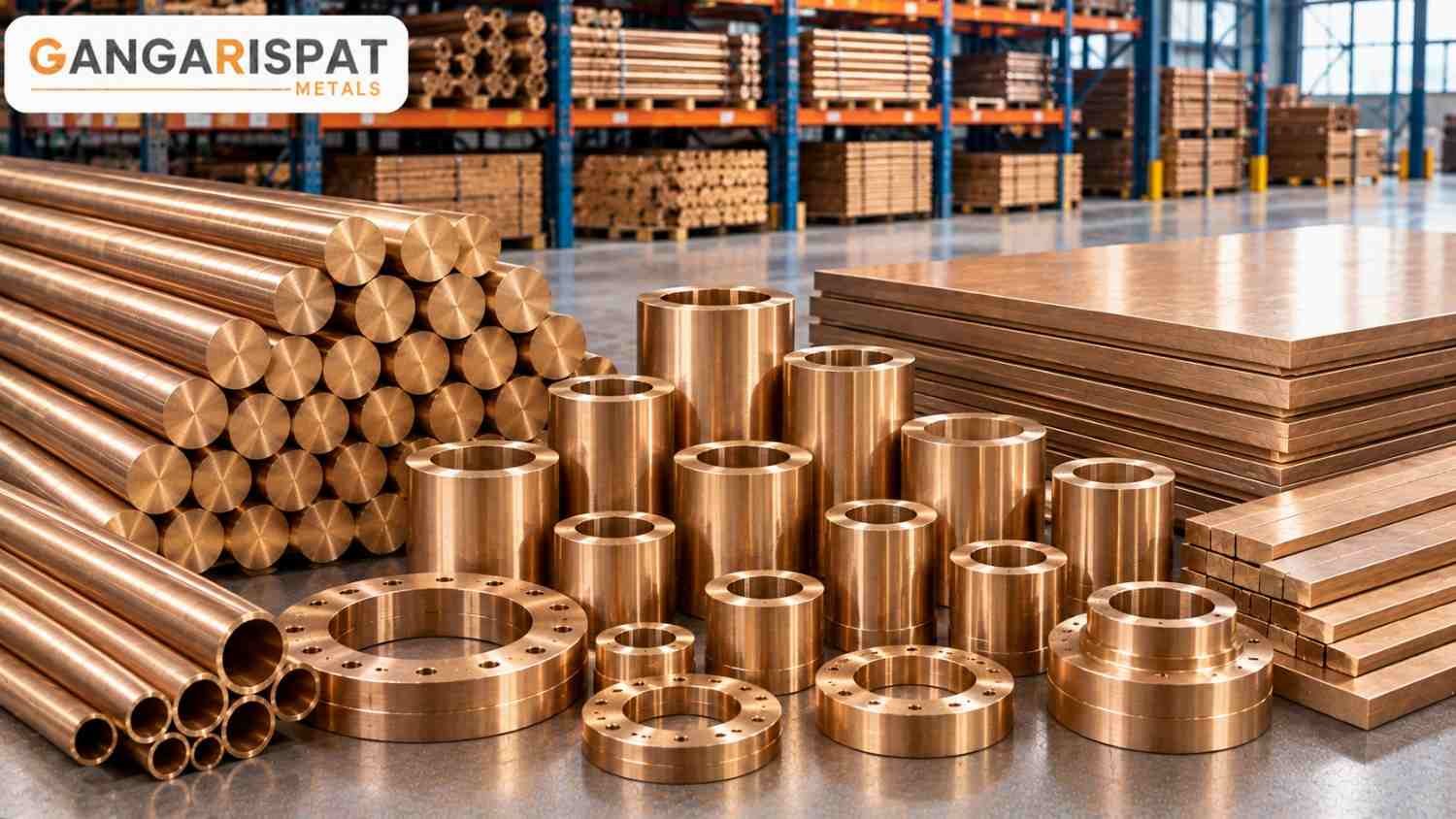
Silicon bronze bars, plates and sheets can be processed into customised components when the selected grade supports the intended manufacturing method.
For projects involving alternative copper alloys, Bronze Products offer additional options for engineering and industrial applications.
What Factors Affect Long-Term Performance?
Although silicon bronze provides useful corrosion resistance, its performance depends on more than the alloy name.
Engineers should consider several factors before selecting a material.
Environmental Exposure
Salt concentration, humidity, temperature and chemical contamination can influence corrosion behaviour.
Galvanic Compatibility
When different metals come into electrical contact in the presence of moisture, galvanic corrosion may occur. Designers must assess material compatibility before assembly.
Mechanical Loading
Repeated stress, vibration and heavy loads can affect component life. The alloy’s mechanical properties should meet the intended design requirements.
Surface Condition
Manufacturing defects, contamination and poor finishing can affect appearance and performance.
When searching for a silicon bronze product for sale, buyers should request the correct technical specifications rather than comparing products only by price.
How Can Industries Maintain Silicon Bronze Components?
Silicon bronze usually requires less corrosion-related maintenance than unprotected carbon steel in many outdoor conditions. However, this does not mean components are completely maintenance-free.
Regular inspections help identify wear, damage and installation problems.
Recommended practices include:
- Removing accumulated dirt and salt deposits when necessary
- Inspecting fasteners for loosening or mechanical damage
- Checking contact areas between dissimilar metals
- Avoiding unsuitable cleaning chemicals
- Following the equipment manufacturer’s maintenance instructions
Maintenance requirements should reflect the component’s operating environment.
For applications involving different corrosion or wear requirements, buyers can also examine Phosphor Bronze Products.
What Should Industrial Buyers Check Before Ordering?
Procurement teams should evaluate material quality, technical documentation and supply reliability.
Reliable Silicon Bronze Product Distributors should be able to clarify available alloy grades, product forms and delivery conditions.
Before finalising an order, buyers should confirm:
- Material grade: Verify the required alloy designation, such as C65100 or C65500.
- Dimensions: Check diameter, thickness, length and acceptable tolerances.
- Material certification: Request applicable chemical composition and mechanical testing records.
- Surface finish: Confirm whether the application requires a mill, polished or other specified finish.
- Order requirements: Review quantity, packaging, lead time and delivery conditions.
These checks help reduce procurement errors and improve consistency across repeat orders.
Choosing Silicon Bronze for Industrial Projects in India
India’s marine engineering, infrastructure and industrial manufacturing sectors require materials that meet defined performance requirements. Working with established Silicon Bronze Product Manufacturers in India can help procurement teams source suitable grades and product dimensions for their projects.
Ganga R Ispat Metals supplies silicon bronze materials for industrial applications. Its product information includes grades, dimensions, manufacturing methods and common applications. Buyers can explore the available Silicon Bronze Product range and discuss their specific material requirements before placing an order.
Conclusion
Silicon bronze is a useful material for selected marine and outdoor engineering applications. Its corrosion resistance, mechanical properties and fabrication characteristics make it suitable for fasteners, fittings and other industrial components.
However, material performance depends on the chosen grade, operating environment and component design. Engineers and industrial buyers should review technical specifications, verify material quality and consider long-term service conditions before making a purchase.
Frequently Asked Questions
1. Why is silicon bronze preferred for marine hardware?
Silicon bronze offers good corrosion resistance in many marine environments, making suitable grades useful for fasteners, fittings and other exposed hardware.
2. Does silicon bronze rust when exposed to rain?
Silicon bronze does not form iron-based rust because it is a copper alloy. However, oxidation and surface discolouration can occur.
3. Can silicon bronze be used for outdoor construction?
Yes. It is used in architectural hardware, decorative fittings and selected fastening systems where its properties meet the application requirements.
4. What is the difference between silicon bronze and aluminium bronze?
Silicon bronze generally offers good corrosion resistance and fabrication properties. Aluminium bronze grades can provide higher strength and wear resistance for certain applications. The best choice depends on the operating conditions.
5. How can buyers check the quality of silicon bronze?
Buyers should review alloy specifications, chemical composition, mechanical test reports, dimensional tolerances and applicable material certifications.
About The Author