




Weeknight cooking can feel like a challenge when you’re short on time, energy, and inspiration. After a busy day, the last thing you want is to visit the grocery store for one missing ingredient or spend an hour deciding what to prepare. A well-stocked kitchen pantry can make everyday meal preparation much easier. With the right ingredients within reach, you can put together satisfying meals without unnecessary stress.
The secret is not filling every shelf with groceries. Instead, focus on versatile ingredients that work across different recipes, have a reasonable shelf life, and complement fresh foods. From grains and canned vegetables to dried fruits, nuts, spices, and cooking oils, a thoughtfully organized pantry gives you more flexibility in the kitchen.
Whether you cook for yourself, your family, or a busy household, building a practical pantry is an excellent way to simplify your routine. Here are six helpful ways to stock your kitchen for easier weeknight cooking.
1. Start With Versatile Pantry Staples
The foundation of an efficient kitchen is a collection of ingredients that can be used in several different meals. Rather than purchasing specialty items for individual recipes, prioritize versatile staples that offer multiple cooking possibilities.
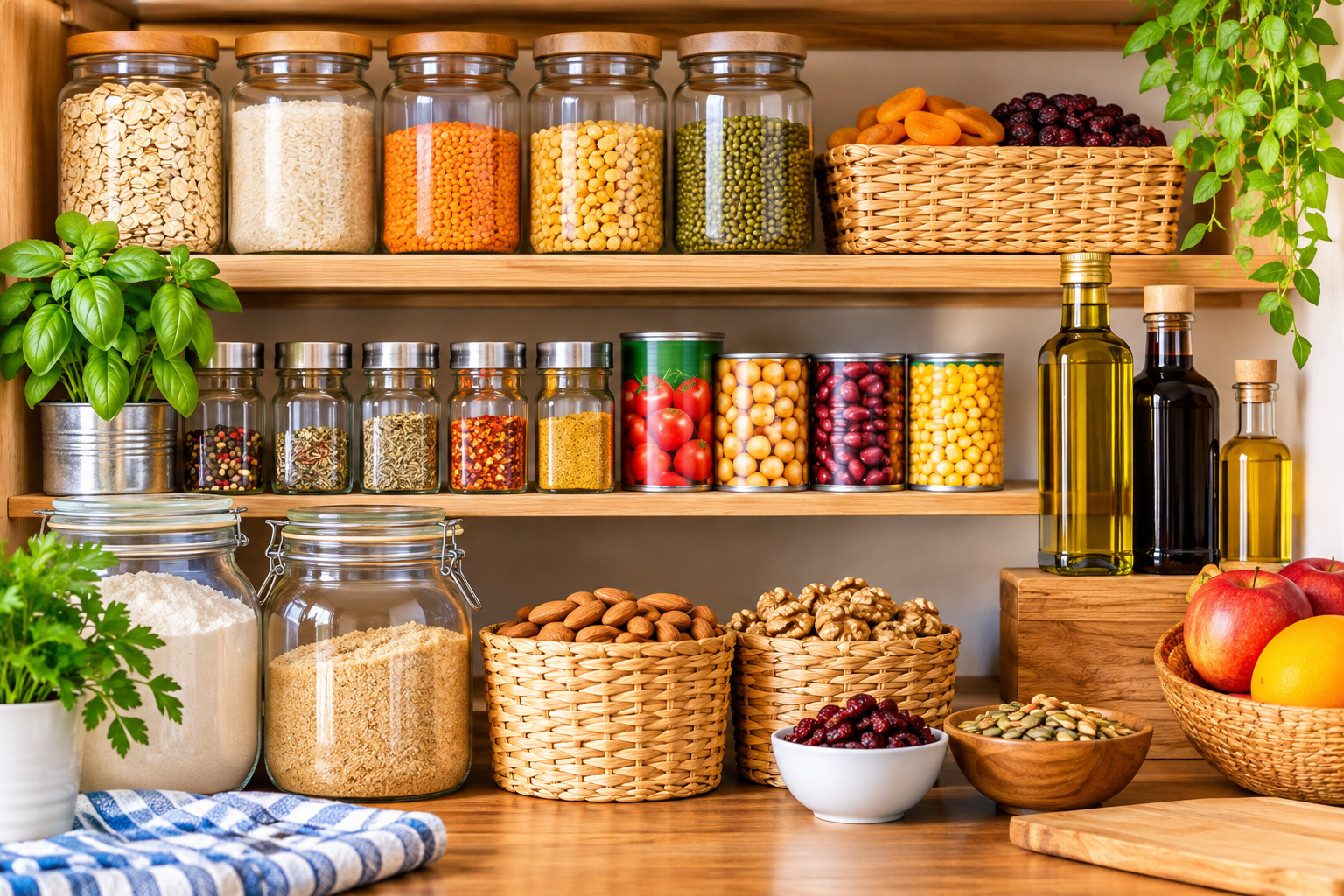
Rice, pasta, oats, lentils, beans, flour, and quinoa are excellent starting points. These ingredients can serve as the foundation for countless dishes, including soups, salads, stir-fries, casseroles, and quick one-pot meals. For example, rice can accompany vegetables and grilled chicken, while pasta can become a satisfying dinner with tomato sauce, herbs, and a handful of vegetables.
When choosing Kitchen pantry staples, consider your household’s eating habits and favorite recipes. If your family enjoys homemade soups, keep lentils, beans, and broth available. If pasta dishes are common, stock different pasta shapes and sauces.
The goal is to create a pantry that supports your regular cooking routine instead of collecting ingredients you rarely use. Choose quality staples, purchase practical quantities, and replenish frequently used items before they run out.
2. Keep Canned and Shelf-Stable Ingredients Within Reach
Canned and shelf-stable foods are valuable additions to any busy kitchen. They reduce preparation time and provide convenient alternatives when fresh ingredients are unavailable.
Keep canned tomatoes, chickpeas, kidney beans, sweet corn, coconut milk, and vegetable broth on your shelves. These ingredients can quickly transform basic staples into complete meals. Canned tomatoes, for instance, can become a pasta sauce, soup base, or curry ingredient. Chickpeas work beautifully in salads, wraps, and homemade curries.
You can also keep shelf-stable sauces and condiments such as soy sauce, mustard, vinegar, tomato paste, and hot sauce. They help add flavor without requiring complicated preparation.
When shopping for Pantry products for home cooking, check ingredient labels, packaging condition, and expiration dates. Choose options that suit your dietary preferences and cooking needs. Once opened, transfer foods to suitable airtight containers when necessary and follow the manufacturer’s storage instructions.
Having these ingredients ready means you can prepare a flavorful meal even when your refrigerator looks nearly empty.
3. Add Nuts, Dried Fruits, and Other Nutritious Ingredients
A useful pantry should offer more than basic cooking ingredients. Nuts, seeds, and dried fruits provide flavor, texture, and versatility, making everyday meals more interesting.
Almonds, walnuts, cashews, pumpkin seeds, and sunflower seeds can be added to salads, oatmeal, rice dishes, and homemade snacks. They provide satisfying crunch and can help make simple meals feel more complete.
Dried fruits are equally useful. Raisins, dates, dried apricots, cranberries, and figs can add natural sweetness to breakfast bowls, baked goods, trail mixes, and savory recipes. For example, chopped dried apricots pair nicely with rice dishes, while raisins can bring a pleasant sweetness to oatmeal or homemade energy bites.
These ingredients are particularly helpful when you want to prepare something quickly without relying on complicated recipes.
Store nuts and seeds in airtight containers away from heat and direct sunlight. Because they contain natural oils, some varieties benefit from refrigeration or freezing to maintain freshness for longer. Keep dried fruits sealed in a cool, dry place according to their packaging instructions.
Choosing versatile Everyday cooking essentials like these helps you prepare meals and snacks with more variety throughout the week.
4. Build a Practical Collection of Spices, Herbs, and Cooking Oils
Seasonings can make the difference between an ordinary meal and something genuinely enjoyable. Even simple ingredients become more flavorful when you have the right spices and herbs available.
Start with everyday options such as black pepper, salt, turmeric, cumin, paprika, chili powder, garlic powder, and cinnamon. Add dried oregano, basil, thyme, and rosemary if you regularly prepare pasta, roasted vegetables, or soups.
Cooking oils are equally important. Olive oil works well for dressings and many everyday cooking tasks, while other suitable vegetable oils can be used for sautéing, frying, and baking. Keep vinegar, lemon juice, and a few favorite condiments nearby to balance flavors.
You do not need dozens of spices to create delicious meals. A small collection of ingredients that you actually use is more practical than an overcrowded spice cabinet.
Check the freshness of dried herbs and spices periodically, as their flavor can gradually weaken over time. Store them in tightly closed containers away from heat, moisture, and direct sunlight.
5. Organize Your Pantry for Faster Meal Preparation
Having all the right ingredients is helpful, but finding them quickly is just as important. A disorganized pantry can waste time and make cooking feel more complicated than necessary.
Begin by grouping similar ingredients together. Keep grains and pasta in one section, canned foods in another, and baking ingredients on a separate shelf. Place frequently used items at eye level so you can reach them without searching.
Transparent airtight containers are useful for storing ingredients such as rice, flour, lentils, oats, and nuts. Label each container with the ingredient name and, when helpful, its purchase or opening date.
Follow the first-in, first-out method when restocking. Move older products to the front and place newer purchases behind them. This simple habit helps prevent forgotten ingredients and unnecessary food waste.
You should also create a small weekly meal-planning area. Keep a shopping list nearby and write down ingredients that need replenishing. Before grocery shopping, check your existing supplies to avoid purchasing duplicates.
An organized pantry makes everyday cooking more efficient and helps you understand exactly what ingredients are available.
6. Plan Ahead and Restock According to Your Cooking Habits
A successful pantry is not something you organize once and forget. It needs occasional attention to stay useful, fresh, and aligned with your household’s needs.
Set aside a few minutes each week to check your supplies. Identify ingredients that are running low, review expiration dates, and remove products that are no longer suitable for consumption.
Planning a few meals in advance can also make grocery shopping easier. For example, if you plan to prepare pasta, lentil soup, and vegetable rice during the week, you can identify the shared ingredients and purchase only what you need.
Avoid buying large quantities simply because an item is discounted. Bulk purchasing makes sense for frequently used, shelf-stable products when you have enough storage space and can use them before their quality declines.
Your pantry should reflect your lifestyle. A household that enjoys quick breakfasts may need more oats, dried fruits, and nuts, while someone who regularly prepares homemade meals may prefer a wider selection of grains, legumes, sauces, and seasonings.
With a little planning, your pantry can become a reliable resource that saves time, reduces food waste, and makes weeknight cooking more enjoyable.
Make Weeknight Cooking Easier With a Well-Stocked Pantry
Creating a practical kitchen pantry does not require an expensive shopping trip or endless storage space. It starts with choosing versatile staples, keeping convenient canned foods available, adding nutritious ingredients, and organizing everything so it is easy to find.
By maintaining a thoughtful selection of grains, legumes, dried fruits, nuts, spices, oils, and other essentials, you can prepare a wider variety of meals with less effort. Regular restocking and simple meal planning will help you get even more value from your ingredients.
At Taste Valley Inc., choosing quality ingredients is an important part of making everyday food preparation more enjoyable. Start with the essentials, build your collection gradually, and create a pantry that makes delicious weeknight meals easier to prepare.
About The Author