

For cosmetic surgeons in Sydney, a search page has to do more than mention a procedure and a suburb. It should help a prospective patient understand what the practice offers, while presenting information clearly and responsibly. That can be difficult when SEO edits introduce stronger claims, testimonials or before-and-after images without a careful review.
A useful approach to SEO for cosmetic surgeons Sydney practices can apply is to treat every page as both a search result and a patient-facing resource. Review the wording, evidence, imagery and local details before publishing. This does not replace professional or regulatory advice, but it can help a practice spot unclear content and know when to pause for a more qualified review.
Why SEO content needs a review before it goes live
SEO content includes service pages, procedure explanations, blog posts, page titles and descriptions, and the text attached to images. Search optimisation can improve how clearly those materials describe a practice and its services. But a keyword edit should never make a health-related claim broader or more certain than the source material supports.
Start by asking what a reader is likely to take away from each statement. A sentence may sound measured to the person who wrote it, yet read like a promise when it appears in a headline or beside a prominent call to action. Review claims for clarity and context, and check that the practice can substantiate the information it chooses to publish. If the wording raises clinical, advertising or legal questions, do not rely on an SEO editor to settle them.
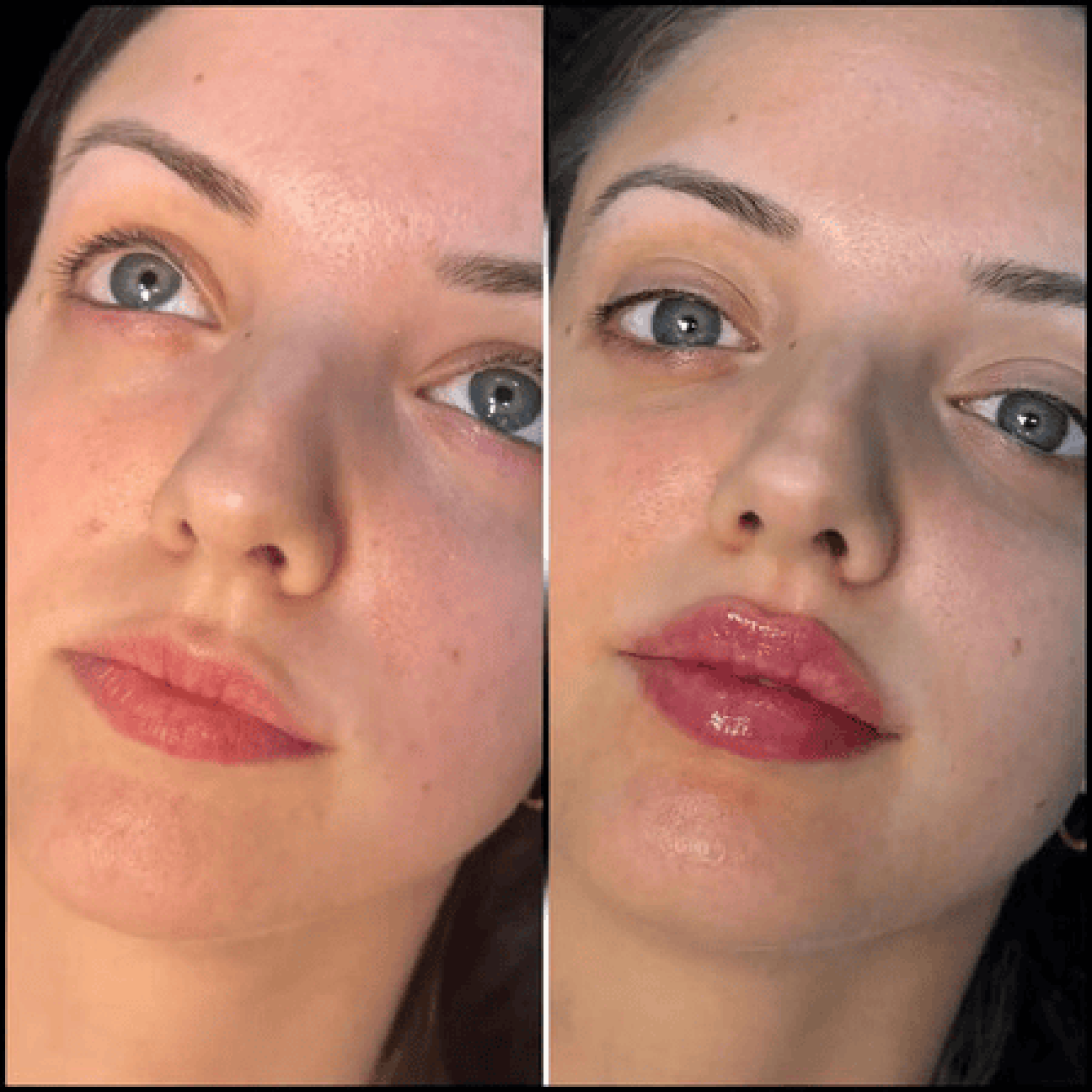
Testimonials and before-and-after imagery deserve their own review, rather than a quick final glance. Check that the surrounding copy does not imply a typical outcome or make an image carry more meaning than its context supports. Confirm that the material has been approved for use and reviewed against current official guidance. A content checklist can flag what needs attention, but it cannot determine whether a particular item complies.
For each page, an editor can ask:
- Is the service or procedure described in plain, specific language?
- Could a headline or snippet be read as a promise about results?
- Do testimonials and images have enough context for a reader to interpret them carefully?
- Are any statements unsupported, ambiguous or outside the practice’s approved information?
These are editorial prompts, not legal tests. Cosmetic surgery content is a sensitive area, so check current official AHPRA guidance and seek appropriate professional advice when a claim, testimonial or image is uncertain.
Local SEO for cosmetic surgeons in Sydney, Australia
Local search visibility is shaped by more than the wording on a procedure page. A person searching near North Sydney, Parramatta, Bondi or Surry Hills may see map results, practice profiles and location-specific pages alongside standard organic listings. Each result should give an accurate picture of where the practice operates and what information a prospective patient can find there.
Review the Google Business Profile (GBP) for current, consistent practice details. Check the name, address and phone number (NAP) against the website and other directory listings the practice maintains. A mismatch can confuse people trying to verify the clinic, even if it does not explain every change in local ranking. Treat accuracy as a trust and usability task, not a promise of map-pack placement.
Location pages need the same editorial care as procedure pages. If a practice serves patients from several parts of Sydney, make each page useful and truthful. Explain the actual clinic location and relevant service information, rather than swapping suburb names into near-identical copy. A page for Parramatta, for example, should not suggest the practice has a local clinic there if it does not. Add useful local details only when the practice can verify them.
Reviews can also influence how people assess a practice before they visit its website. Have a consistent process for monitoring and responding, and avoid turning review responses into a place for claims about individual outcomes or treatment. Before publishing a response or featuring a review elsewhere, check its context and get advice if you are unsure what is appropriate. Local SEO should make accurate information easier to find, not stretch what the practice can responsibly say.
A practical pre-publication review for pages and digital resources
Give each page a named reviewer and a clear approval path. The writer can check structure and readability, while someone with suitable clinical knowledge checks whether the content accurately reflects the practice’s approved information. If a claim or image raises a compliance question, send it to an appropriate adviser instead of asking the SEO team to make the call.
Then check the page in the places a reader will encounter it. Read the title and meta description on their own, since those may appear in search results without the rest of the page. Review headings, links, image captions and alt text. Alt text should describe what is visible in a useful, factual way, rather than adding promotional wording. On mobile, check that important context is not separated from an image or call to action.
Keep a simple record of the page URL, review date, approver and any items that need another check. This makes it easier to revisit material when the practice updates a service page, changes clinic details or reviews its content process. It also helps distinguish a routine edit, such as correcting a phone number, from a change to a claim or patient-facing image that deserves more scrutiny.
For practices reviewing the systems used to organise digital resources, Softix describes its work as custom software, web apps, SaaS and CRM, rather than medical SEO or compliance services. Teams assessing whether a software workflow may fit their operations can learn more.
Before publishing, confirm that the page answers the reader’s likely question, represents the practice accurately and has passed the right reviews. Check the current official AHPRA guidance for relevant advertising questions, and seek appropriate advice where the answer is not clear. That process will not guarantee rankings, but it gives Sydney practices a more dependable basis for publishing useful local search content.
About The Author