




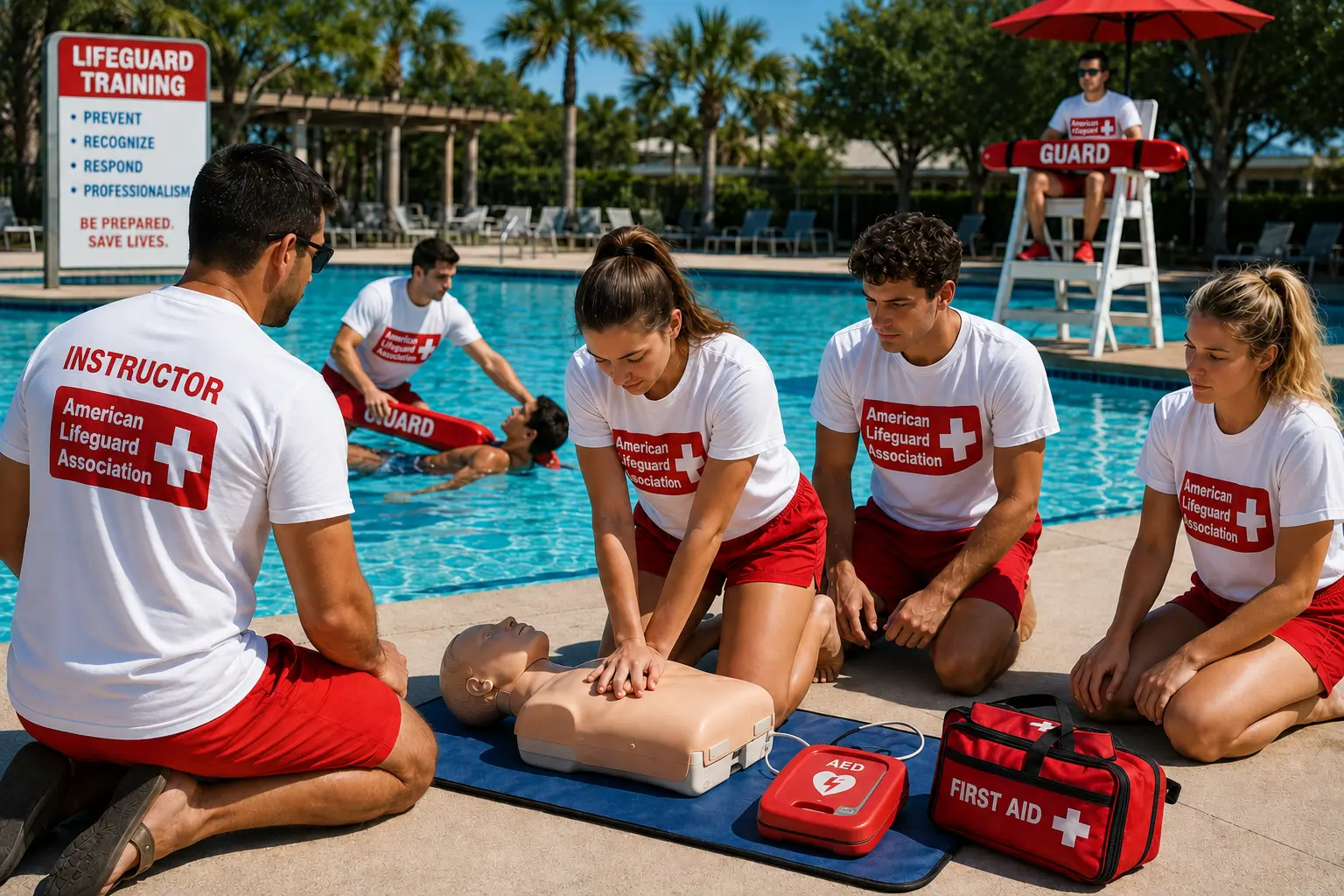
Water safety is an important responsibility at swimming pools, beaches, water parks, and recreational facilities. Lifeguards play a vital role in protecting swimmers, preventing accidents, and responding to emergencies. Taking a professional lifeguard class is an excellent way to develop the knowledge and practical abilities needed to work in aquatic safety environments.
Whether you are interested in starting a lifeguarding career or improving your existing water safety skills, enrolling in a Lifeguard class can help you prepare for the responsibilities of this profession. Training programs generally cover water rescue techniques, CPR, first aid, emergency response, and essential surveillance skills.
Why Should You Take a Lifeguard Class?
A lifeguard class provides important knowledge and practical training for individuals who want to protect swimmers and maintain safe aquatic environments. Lifeguards must remain alert, recognize potential hazards, and respond quickly when someone experiences difficulty in the water.
Professional training helps participants understand how to prevent accidents and manage emergencies effectively. It also develops important qualities such as confidence, communication, teamwork, and decision-making.
Whether you want to work at a swimming pool, beach, hotel, or water park, completing suitable lifeguard training can be an important step toward your career goals.
What Will You Learn in a Lifeguard Class?
A comprehensive lifeguard class introduces participants to several essential skills required for aquatic safety.
1. Water Rescue Techniques
Participants learn different rescue approaches for assisting swimmers in distress. Training may include reaching assists, throwing assists, and appropriate in-water rescue techniques.
2. CPR Skills
Cardiopulmonary resuscitation (CPR) is an important emergency response skill. Students learn how to recognize cardiac emergencies and perform CPR according to their training standards.
3. First Aid Training
First aid lessons prepare participants to respond to injuries and medical emergencies. They learn how to assess situations and provide appropriate initial assistance.
4. Emergency Action Procedures
Lifeguards must know how to respond when emergencies occur. Training covers emergency planning, communication, teamwork, and coordination with other responders.
5. Water Surveillance
Active supervision is one of the most important lifeguard responsibilities. Participants learn how to monitor swimming areas, recognize unsafe behavior, and identify potential drowning situations.
Who Can Enroll in a Lifeguard Class?
A lifeguard class is suitable for individuals interested in developing water safety skills and pursuing opportunities in the aquatic industry.
People who may benefit from lifeguard training include:
- Individuals interested in becoming professional lifeguards.
- Swimming instructors and aquatic professionals.
- Pool attendants and recreational facility employees.
- Beach and water park staff.
- Students interested in aquatic safety careers.
- Experienced lifeguards seeking updated qualifications.
Applicants should review the course provider’s age requirements, swimming prerequisites, and assessment standards before registering.
Benefits of Completing a Lifeguard Class
Completing a suitable lifeguard class offers several professional and personal benefits.
Career Development: Training can help individuals pursue lifeguarding opportunities at pools, beaches, resorts, and recreational facilities.
Life-Saving Skills: Participants develop practical knowledge of water rescues, CPR, and first aid.
Increased Confidence: Training exercises help students become more comfortable handling challenging aquatic situations.
Better Communication: Lifeguards learn to communicate clearly with swimmers, colleagues, and emergency responders.
Greater Responsibility: The training encourages discipline, awareness, and responsible decision-making.
These skills can be valuable in both professional environments and everyday life.
How to Choose the Right Lifeguard Class
Choosing an appropriate training program is essential for developing the skills needed to perform lifeguard responsibilities.
Before enrolling, consider the following factors:
- Course Curriculum: Make sure the program covers water rescue, CPR, first aid, and emergency response.
- Practical Exercises: Look for courses that include hands-on training and swimming assessments.
- Instructor Qualifications: Review the experience and qualifications of the training instructors.
- Certification Standards: Confirm that the course meets the requirements of your intended employer or relevant local authority.
- Course Duration: Understand the schedule and time commitment required to complete the program.
- Renewal Opportunities: Check whether the provider offers recertification options for experienced lifeguards.
Comparing these details can help you find a program that matches your learning needs and career objectives.
Why Choose American Lifeguard Association?
The American Lifeguard Association (ALA) provides lifeguard training and aquatic safety education for individuals interested in developing professional water safety skills.
The organization offers training opportunities focused on essential areas such as water rescue, CPR, first aid, and emergency preparedness. These skills help participants understand the responsibilities associated with protecting swimmers in different aquatic environments.
Whether you are a beginner exploring lifeguarding as a career or an experienced professional looking to maintain your qualifications, the American Lifeguard Association can help you explore relevant training and certification information.
Career Opportunities After Completing a Lifeguard Class
Completing an appropriate lifeguard class can help prepare individuals for employment opportunities in different aquatic environments.
Potential workplaces include:
- Public and private swimming pools.
- Beaches and waterfront facilities.
- Hotels and resorts.
- Water parks and recreational centers.
- Fitness clubs and sports facilities.
- Community swimming centers.
- Educational institutions with aquatic facilities.
Employment requirements vary by location and organization. Candidates should ensure their qualifications meet the requirements of the positions they want to pursue.
Conclusion
A lifeguard class provides valuable knowledge and practical skills for individuals interested in aquatic safety. From water rescue techniques and CPR to first aid and emergency response, professional training helps prepare participants for the responsibilities of protecting swimmers.
Choosing the right training provider is an important part of this journey. With training opportunities and aquatic safety education from the American Lifeguard Association, individuals can take a positive step toward developing their lifeguarding skills and pursuing professional opportunities in the aquatic industry.
About The Author