




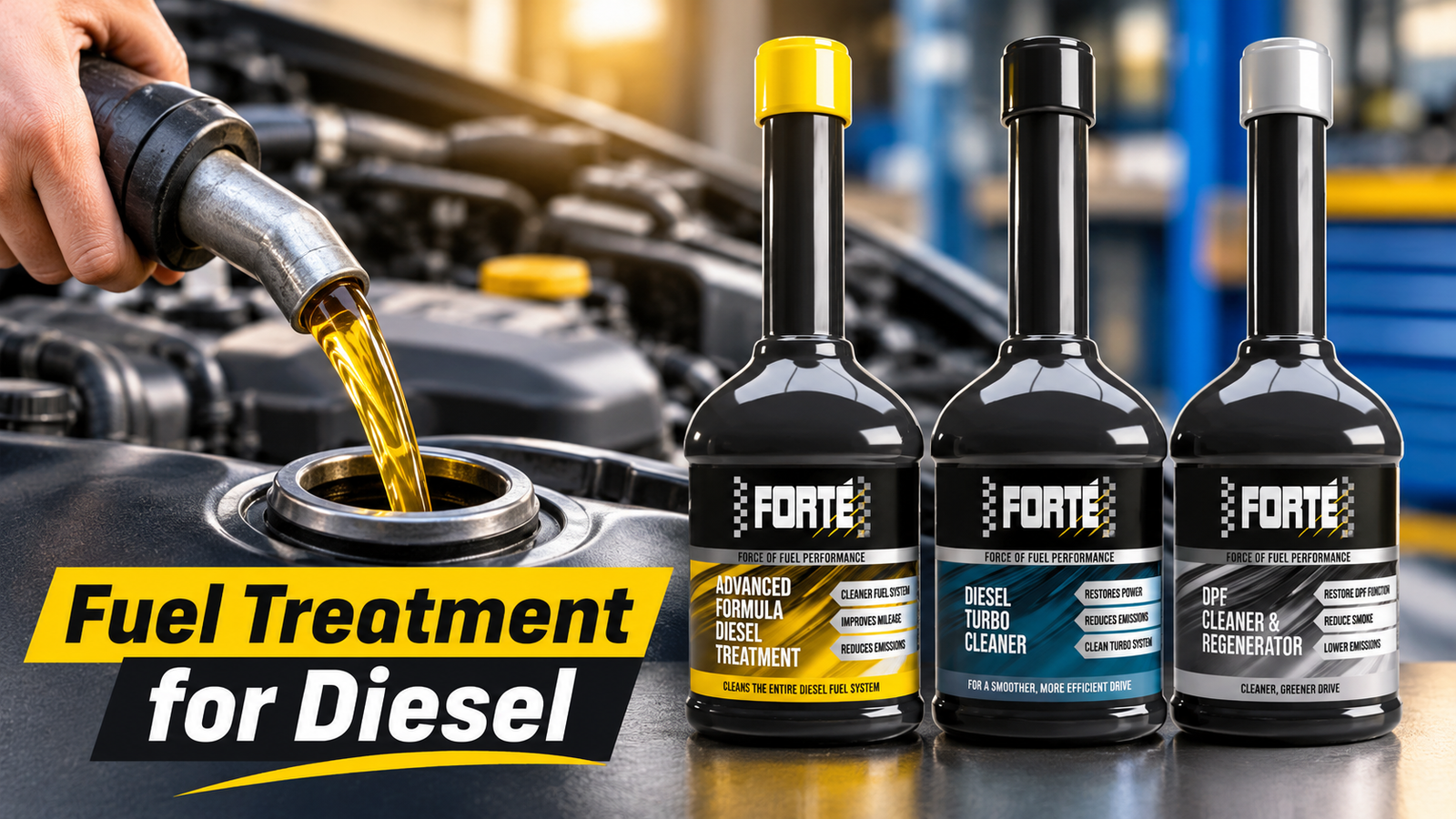
Diesel engines are designed to deliver strong performance, fuel efficiency, and reliability, but maintaining these benefits requires proper fuel system care. Using a quality diesel fuel system cleaner can help remove deposits, support smoother combustion, and maintain the efficiency of essential engine components. As diesel vehicles and machinery operate under different driving conditions, choosing suitable fuel maintenance products becomes an important part of long-term engine care.
Understanding the Importance of Diesel Fuel Quality
Diesel fuel plays a significant role in determining how efficiently an engine operates. Its quality can influence combustion, fuel injector performance, engine responsiveness, and overall reliability. Over time, contaminants, moisture, and carbon deposits may accumulate within different parts of the fuel system.
These issues can affect fuel delivery and reduce engine efficiency. In some cases, drivers may notice rough idling, increased fuel consumption, reduced acceleration, or difficulty starting the engine. Although these symptoms can have several causes, fuel system maintenance is an important area to consider.
A suitable diesel fuel treatment can support routine maintenance by helping manage deposits and keeping fuel system components cleaner. Regular attention to fuel quality can also help reduce the likelihood of problems associated with neglected fuel systems.
How Diesel Fuel Treatments Work
Diesel fuel treatments are formulated to perform different functions depending on their ingredients and intended applications. Some products focus on cleaning fuel injectors, while others help improve fuel stability, manage moisture, or provide additional lubrication.
When added according to the manufacturer’s instructions, these products mix with diesel fuel and travel through the fuel delivery system. Depending on the formulation, they may help address deposits that develop in fuel injectors and other components.
A quality fuel treatment for diesel can support the following maintenance objectives:
Injector cleanliness: Helps manage deposits that can interfere with proper fuel delivery.
Fuel system maintenance: Supports cleaner operation of essential fuel system components.
Combustion efficiency: Helps maintain consistent fuel delivery for effective combustion.
Moisture management: Certain formulations help disperse or manage small amounts of moisture.
Engine performance: Supports normal engine operation when used as part of an appropriate maintenance routine.
It is important to understand that additives are not a replacement for mechanical repairs, regular servicing, or manufacturer-recommended maintenance.
Choosing the Best Diesel Additive for Your Vehicle
Not every diesel additive offers the same benefits. Different engines have different requirements, and the most suitable product depends on the vehicle, fuel quality, operating conditions, and manufacturer’s recommendations.
When comparing products, drivers should consider several factors.
1. Compatibility With the Engine
The first consideration should always be compatibility. Diesel engines vary in design, and modern vehicles may feature advanced fuel injection systems, diesel particulate filters, and other emission-control technologies.
Before selecting the best diesel additive, check whether the formulation is suitable for the particular engine. Products designed for older diesel engines may not always be appropriate for newer vehicles.
2. Cleaning Capabilities
Fuel injectors operate under demanding conditions and require accurate fuel delivery. Deposits can affect their spray patterns and overall performance.
A suitable diesel fuel system cleaner should be selected according to the type of deposits it is designed to address. Some formulations are intended for routine maintenance, while others are developed for more intensive cleaning applications.
3. Product Ingredients and Formulation
Understanding a product’s intended function is essential. Some additives contain detergents, lubricity enhancers, stabilisers, or other ingredients designed to support particular fuel system requirements.
Drivers should review product descriptions and technical information rather than choosing an additive based solely on marketing claims.
4. Manufacturer Recommendations
Vehicle manufacturers provide maintenance guidance based on engine design and operating requirements. Following these recommendations helps ensure that any additional product used is appropriate for the vehicle.
Signs Your Diesel Engine May Need Fuel System Attention
Recognising potential fuel system issues early can help prevent minor concerns from becoming more expensive problems.
Some common warning signs include:
Rough idling: An engine that vibrates excessively or runs unevenly may have fuel delivery or combustion-related issues.
Reduced acceleration: Sluggish response when pressing the accelerator can sometimes indicate problems with fuel delivery.
Increased fuel consumption: A noticeable reduction in fuel economy may be linked to several factors, including injector condition and engine maintenance.
Difficulty starting: Problems starting a diesel engine can sometimes be associated with fuel delivery, although battery and glow plug issues should also be considered.
Excessive smoke: Unusual exhaust smoke may indicate incomplete combustion, injector problems, or other mechanical concerns.
A fuel additive may help with certain deposit-related problems, but persistent symptoms should be investigated by a qualified mechanic.
The Role of Forte Diesel Fuel Cleaner in Routine Maintenance
Specialised cleaning products are often considered by diesel vehicle owners who want to maintain their fuel systems. A product such as forte diesel fuel cleaner is associated with fuel system cleaning and deposit management.
When evaluating cleaning products, it is worth considering their intended application, dosage requirements, and compatibility with the engine. Following the instructions on the product label is essential because using more additive than recommended does not necessarily improve its effectiveness.
Mechanics may also consider the condition of the injectors, fuel filters, and other components before recommending a cleaning treatment. This helps ensure that the chosen solution addresses the actual maintenance requirement.
For vehicle owners exploring suitable products, Mechanx provides an option to consider when researching diesel fuel maintenance solutions.
Why Regular Fuel System Maintenance Matters
Preventive maintenance is generally more practical than waiting until an engine develops noticeable performance problems. Diesel engines often operate under heavy loads, long driving distances, and demanding environmental conditions. These factors make consistent maintenance particularly important.
A regular maintenance routine should include:
Replacing fuel filters at the recommended intervals.
Purchasing diesel fuel from reliable suppliers.
Checking the fuel system for leaks or visible damage.
Following the manufacturer’s servicing schedule.
Using compatible additives when appropriate.
Addressing unusual engine behaviour promptly.
Using Diesel Engine Additives as part of a carefully planned maintenance routine may help support fuel system cleanliness and performance. However, product selection should always be based on actual engine requirements.
How Often Should Diesel Fuel Treatment Be Used?
The ideal frequency depends on the product formulation, vehicle manufacturer’s guidance, fuel quality, and driving conditions. Some treatments are designed for regular use, while others are intended for occasional cleaning.
Drivers who frequently operate vehicles in dusty environments, cover long distances, or use equipment under heavy loads may need to pay closer attention to fuel system maintenance.
The instructions provided by the product manufacturer should determine the correct dosage and application frequency. Avoid combining different additives unless their compatibility has been confirmed.
Conclusion
Maintaining diesel fuel quality and keeping the fuel system clean are important parts of responsible vehicle ownership. Selecting the right additive, following servicing recommendations, and responding to early warning signs can help support reliable engine operation.
A suitable fuel treatment for diesel may assist with deposit management, injector cleanliness, and general fuel system maintenance when used correctly. By understanding product formulations and choosing compatible solutions, diesel vehicle owners can make more informed decisions about long-term engine care.
Frequently Asked Questions (FAQs)
1. What is fuel treatment for diesel used for?
It is used to support diesel fuel system maintenance. Depending on its formulation, it may help clean injectors, manage deposits, improve fuel stability, or provide additional lubrication.
2. Can diesel additives improve engine performance?
Some additives can help maintain engine performance by managing fuel system deposits and supporting consistent fuel delivery. However, results depend on the product and the engine’s condition.
3. How often should a diesel fuel treatment be added?
The frequency depends on the specific product and vehicle manufacturer’s recommendations. Always follow the dosage and application instructions on the packaging.
4. Is a diesel fuel system cleaner suitable for modern diesel engines?
Many cleaners are designed for modern diesel engines, but compatibility should always be checked. This is particularly important for vehicles equipped with diesel particulate filters and advanced fuel injection systems.
5. Can diesel additives replace regular engine servicing?
No. Additives can support fuel system maintenance, but they cannot replace oil changes, fuel filter replacements, inspections, or other manufacturer-recommended servicing.
About The Author