




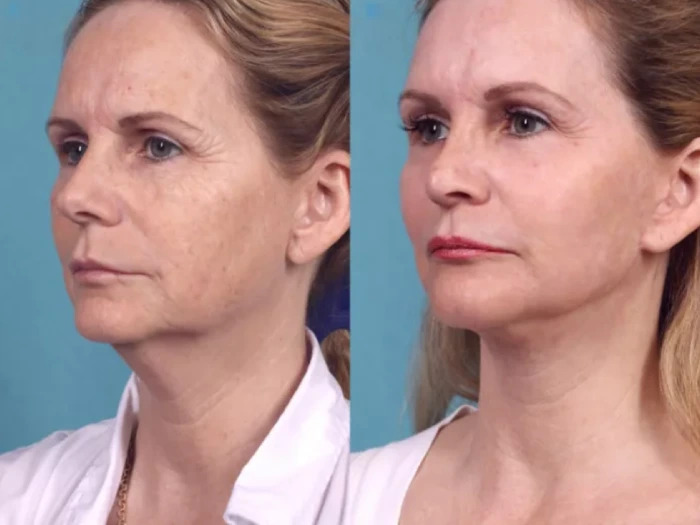
1. Understanding Best chemical peel treatment Doctors in dubai and Who Can Consider It
Best chemical peel treatment Doctors in dubai is a skincare option designed to improve the appearance of different skin concerns. It involves applying a chemical solution that removes damaged surface skin cells and supports the natural renewal process.
Chemical peels are commonly considered for:
- Uneven skin tone.
- Mild pigmentation.
- Acne marks.
- Dull-looking skin.
- Rough skin texture.
- Fine lines.
- Certain types of sun damage.
However, having one of these concerns does not automatically mean that a person is suitable for chemical peeling.
The skin must be assessed according to its condition, sensitivity, medical history, and ability to recover. Some people may benefit from superficial peels, while others may need to postpone treatment or consider alternative skincare options.
Understanding individual skin requirements is the first step towards making a safe and informed decision.
2. Best Doctors in Dubai: Why Skin Suitability Matters Before Chemical Peeling
When discussing Best Doctors in Dubai, an important skincare topic is understanding why not every person is an ideal candidate for chemical peeling.
A chemical peel affects the outer layers of the skin. If the skin is already irritated, damaged, infected, or extremely sensitive, the treatment may increase discomfort and the possibility of complications.
Some individuals may experience:
- Excessive redness.
- Skin irritation.
- Burning sensations.
- Prolonged dryness.
- Changes in skin pigmentation.
- Delayed healing.
These reactions may be more likely when the treatment is unsuitable for the individual’s skin condition.
A person’s overall skin health should always be considered before selecting a peel. The goal should be to improve skin appearance without creating unnecessary irritation or damage.
3. People with Active Skin Infections May Not Be Suitable for Chemical Peels
Active skin infections are an important reason to postpone chemical peel treatment.
When the skin has an infection, its natural protective barrier may already be weakened. Applying a chemical solution can increase irritation and interfere with the healing process.
Examples of conditions that may require treatment postponement include:
Bacterial Infections: Bacterial skin infections can cause redness, swelling, pain, and irritation. Chemical peeling should generally be avoided until the infection has been properly treated.
Fungal Infections: Fungal conditions can cause itching, scaling, and inflammation. Treating the infection first is important before considering cosmetic procedures.
Viral Infections: Active cold sores and other viral skin conditions may increase the risk of complications. Chemical peels should be postponed until the affected area has healed.
Treating existing infections before undergoing skin procedures helps reduce unnecessary risks and supports healthier skin recovery.
4. Chemical Peel in Dubai: Why Extremely Sensitive Skin Requires Extra Care
Chemical Peel in Dubai is often considered by people who want brighter and smoother-looking skin. However, individuals with extremely sensitive skin may need additional precautions.
Sensitive skin can react strongly to certain skincare ingredients. Chemical peeling may cause increased redness, dryness, itching, or burning sensations in people who already experience frequent skin irritation.
Common signs of sensitive skin include:
- Frequent redness.
- Burning sensations after using skincare products.
- Itching and discomfort.
- Dry or flaky patches.
- Reactions to fragrances and active ingredients.
People with conditions such as rosacea or eczema may also require special consideration, particularly when symptoms are active.
A gentle skincare approach may be more appropriate until the skin becomes stable. Treatment suitability should depend on the individual’s current skin condition rather than simply the desire to achieve faster results.
5. People with Open Wounds, Cuts, or Damaged Skin Should Avoid Treatment
Healthy skin provides a natural protective barrier against external irritants. When this barrier is damaged, the skin becomes more vulnerable.
People with open wounds, cuts, burns, scratches, or recently injured skin should generally postpone chemical peel treatment.
Applying chemical solutions to damaged skin may cause:
- Increased burning and discomfort.
- Additional inflammation.
- Delayed wound healing.
- Higher risk of infection.
- Unwanted pigmentation.
- Potential scarring.
Even small areas of broken skin should be considered before undergoing a chemical peel.
Allowing the skin to heal completely is an important part of preparing for cosmetic skincare treatments.
6. People with a History of Skin Allergies May Need Extra Precautions
Skin allergies are another important factor when considering chemical peel suitability.
Some people experience allergic reactions to specific skincare ingredients, preservatives, fragrances, or chemical substances.
Using an unsuitable peeling solution may trigger an allergic reaction, leading to redness, itching, swelling, or discomfort.
Individuals should be particularly careful if they have previously experienced:
- Allergic reactions to skincare products.
- Contact dermatitis.
- Severe itching after using cosmetic ingredients.
- Swelling or redness following topical treatments.
- Reactions to exfoliating acids.
Sharing a history of allergies before treatment is important. Depending on the allergy and the ingredients involved, a particular peel may need to be avoided.
Never assume that a product is suitable simply because it is commonly used by other people.
7. Pregnancy and Breastfeeding: Important Considerations Before Chemical Peeling
Pregnancy and breastfeeding are important situations to consider before undergoing cosmetic skin treatments.
Some chemical peeling ingredients may not be recommended during pregnancy or breastfeeding because of limited safety information or concerns about particular ingredients.
For example, certain stronger peeling agents and combination formulations may require additional precautions.
During this period, individuals should consider:
- Discussing all skincare products before treatment.
- Avoiding unnecessary cosmetic procedures.
- Checking the safety of active ingredients.
- Considering gentle skincare alternatives.
- Postponing elective treatments when appropriate.
The suitability of a chemical peel depends on the specific ingredients, treatment depth, and individual circumstances.
It is always better to prioritise personal safety rather than rushing into an aesthetic treatment.
8. People Taking Certain Medications May Need to Postpone Chemical Peels
Some medications can affect skin sensitivity, healing, and the way the skin responds to chemical treatments.
For this reason, medication history is an important part of determining treatment suitability.
Examples include:
Isotretinoin: People currently taking isotretinoin or who have recently completed treatment may require special assessment. The appropriate waiting period depends on the procedure, skin condition, and individual medical circumstances.
Topical Retinoids: Products containing retinol, tretinoin, or other retinoids can increase skin sensitivity and may need to be temporarily stopped before certain peels.
Certain Antibiotics: Some medications can increase sensitivity to sunlight, which may affect skin protection during recovery.
Other Skin Treatments: Recent laser procedures, strong exfoliating treatments, or other cosmetic procedures may influence the timing of chemical peeling.
Individuals should always disclose their medications and avoid stopping prescribed treatments without medical advice.
9. Celebrity Clinics in Dubai: Why Popular Beauty Treatments Are Not Suitable for Everyone
Celebrity Clinics in Dubai is a keyword commonly associated with modern beauty and skincare trends. Chemical peels are among the treatments frequently discussed in aesthetic skincare because of their potential to improve skin texture and appearance.
However, a treatment becoming popular does not mean that everyone should undergo it.
Different individuals have different skin types, sensitivities, medical histories, and recovery abilities. A procedure that works well for one person may cause irritation or unwanted pigmentation in another.
People should avoid choosing chemical peels simply because they are popular on social media or commonly discussed in beauty conversations.
Instead, they should understand the treatment, its possible side effects, and their own skin requirements.
Personal skin suitability should always be more important than beauty trends.
10. Celebrity Doctors In Dubai: Understanding Skin Pigmentation Risks Before Treatment
The term Celebrity Doctors In Dubai is often connected with aesthetic skincare and beauty discussions. One important subject within these discussions is the risk of pigmentation following chemical peeling.
People with darker skin tones or a history of post-inflammatory hyperpigmentation may have a higher risk of developing dark marks after skin irritation.
Chemical peels can sometimes trigger unwanted pigmentation when the skin reacts strongly to the treatment.
Factors that may increase this risk include:
- Previous pigmentation problems.
- A history of dark marks after acne.
- Excessive sun exposure.
- An unsuitable peel strength.
- Inadequate aftercare.
- Existing skin inflammation.
This does not mean that everyone with darker skin is unsuitable for chemical peeling. However, treatment selection and strength require particular care.
Sun protection and appropriate preparation are also essential for reducing the possibility of pigmentation changes.
11. Dr. perfect celebrity: Why Unrealistic Skin Expectations Can Be a Problem
Dr. perfect celebrity is a keyword associated with beauty and aesthetic treatment discussions. However, expecting completely flawless skin from a chemical peel can create unrealistic expectations.
Chemical peels may improve certain skin concerns, but they cannot completely remove every scar, pigmentation mark, wrinkle, or skin imperfection.
Some individuals may not be suitable for treatment if their expectations do not match what the procedure can realistically achieve.
For example:
- Deep acne scars may not respond sufficiently to superficial peels.
- Severe pigmentation may require a different treatment approach.
- Deep wrinkles cannot be completely removed through ordinary chemical peeling.
- Certain skin conditions may become irritated after treatment.
Understanding the limitations of chemical peels helps individuals make better skincare decisions.
The main goal should be gradual and natural-looking improvement rather than perfect skin.
12. Perfect Doctors Clinic: Understanding Why Damaged Skin Barriers Need Attention
Perfect Doctors Clinic is another keyword associated with skincare and aesthetic treatment discussions.
An important consideration before chemical peeling is the condition of the skin barrier. The skin barrier protects the body from environmental irritants and helps maintain natural moisture.
When this protective layer becomes damaged, the skin may become dry, sensitive, and more likely to react to skincare products.
Common signs of a damaged skin barrier include:
- Persistent dryness.
- Frequent redness.
- Tightness after cleansing.
- Burning sensations.
- Increased skin sensitivity.
- Flaking and irritation.
Chemical peeling may worsen these symptoms if performed before the skin has recovered.
Maintaining skin hydration and avoiding harsh exfoliating products can help support barrier recovery. Chemical peeling should generally be postponed until the skin is healthy and stable.
13. People with a History of Keloid Scarring Should Be Carefully Assessed
A history of abnormal scarring is another factor that should be discussed before chemical peel treatment.
Some individuals are more likely to develop raised scars, known as keloids, after skin injuries.
Although superficial chemical peels generally involve less risk of scarring than deeper procedures, stronger peels can cause significant skin injury and may increase the risk of complications.
People with a history of keloids or unusual wound healing should discuss their skin history before considering treatment.
Understanding how the skin responds to previous injuries can help determine whether a particular procedure is appropriate.
14. When Should Chemical Peel Treatment Be Postponed?
There are several situations in which postponing a chemical peel may be the safest decision.
Treatment may need to be delayed when an individual has:
- Active skin infections.
- Open wounds or cuts.
- Severe skin irritation.
- Uncontrolled eczema or rosacea.
- Recent sunburn.
- Active cold sores.
- A damaged skin barrier.
- Recent cosmetic procedures requiring recovery.
- Unresolved allergic reactions.
Postponing treatment does not necessarily mean that chemical peeling will never be suitable.
In many cases, allowing the skin to recover or addressing an existing condition first may make future treatment safer.
Patience is important because healthy skin provides a better starting point for cosmetic procedures.
15. Final Thoughts on Who May Not Be Suitable for Chemical Peel Treatments
Chemical peels can help improve the appearance of pigmentation, mild acne marks, fine lines, dullness, and uneven skin texture. However, they are not suitable for every individual or every skin condition.
People with active infections, extremely sensitive skin, open wounds, allergies, damaged skin barriers, or certain medication histories may need to avoid or postpone treatment.
Pregnancy, breastfeeding, previous scarring, and pigmentation concerns also require careful consideration.
Anyone exploring Best chemical peel treatment Doctors in dubai should understand that treatment suitability is just as important as the potential benefits. A careful approach helps reduce unnecessary risks and supports healthier skin.
Ultimately, the best skincare decisions are based on individual needs, realistic expectations, and skin safety. Understanding who may not be suitable for chemical peel treatments helps people make informed choices and maintain a healthy, balanced approach to skincare.
About The Author