



Growing plants indoors and growing in an outdoor greenhouse might seem like two versions of the same thing. Both extend the season. Both protect plants from the weather. Both allow gardeners to start seeds before the last frost date. But the two environments behave very differently, and understanding those differences determines which plants belong where and which setup makes sense for specific growing goals.
Light: The Fundamental Divide
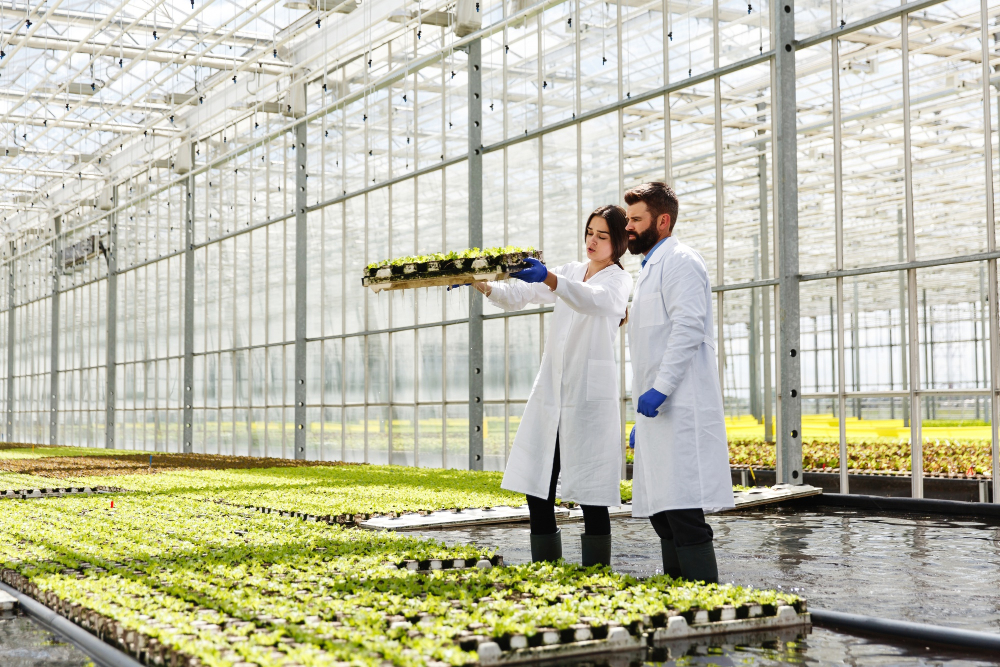
This is where the two spaces diverge most sharply. An outdoor greenhouse receives full-spectrum natural sunlight through its panels, providing the intensity and duration that most food crops and flowering plants require. Even on cloudy days, a greenhouse delivers more photosynthetically active light than the brightest south-facing window in a house.
An indoor planter positioned near a window receives a fraction of that light, filtered through glass, reduced by angle, and limited by the hours of direct exposure the window’s orientation allows. East-facing windows get morning sun. West-facing windows get afternoon sun. North-facing windows get almost none.
For light-hungry crops like tomatoes, peppers, cucumbers, and squash, a greenhouse provides what they need naturally. For herbs, leafy greens, microgreens, and low-light houseplants, an indoor planter near a decent window is often enough. Grow lights bridge the gap for indoor growing, but they add cost and require proper positioning to be effective.
Temperature and Humidity
An outdoor greenhouse creates its own microclimate. On a sunny day, interior temperatures can climb 20 to 30 degrees above the outside air, which extends the growing season on both ends. A greenhouse in Zone 6 can behave like Zone 7 or 8 during spring and fall, allowing earlier transplanting and later harvests.
The tradeoff is volatility. Greenhouses overheat without ventilation. Nighttime temperatures drop faster than in insulated indoor spaces. And humidity builds quickly in an enclosed glass or polycarbonate structure, which promotes fungal issues if airflow is insufficient.
Indoor growing offers stability. Home temperatures stay between 65 and 75 degrees year-round in most households. Humidity is lower and more consistent. There are no sudden temperature swings from a passing cloud or an unexpected cold front. For tropical houseplants, herbs, and seed starting, this stability is an advantage. For crops that need high light and heat accumulation to fruit, it’s a limitation.
Space and Scale
A greenhouse, even a small one, provides dedicated growing square footage that doesn’t compete with living space. Shelving, staging benches, and vertical growing systems multiply the usable area. A 6×8 greenhouse with three-tier shelving holds dozens of trays, pots, and containers without feeling cramped.
Indoor growing competes with countertops, windowsills, and floor space. An indoor planter on a kitchen counter or a shelf unit with grow lights can hold herbs, microgreens, and a few small pots, but scaling up means sacrificing living space. For renters, apartment dwellers, or anyone without yard access, indoor growing may be the only option, and creative use of vertical space (wall-mounted planters, tiered stands, hanging pots) maximizes output within those constraints.
What Belongs Where
The simplest framework for deciding what to grow in each space comes down to light requirements and temperature preferences.
Best for indoor planters: herbs (basil, mint, parsley, cilantro), lettuce and salad greens, microgreens, scallions, small ornamental plants, and seed starting for later transplanting.
Best for an outdoor greenhouse: tomatoes, peppers, cucumbers, squash, eggplant, melons, cut flowers, and any crop that needs sustained heat and high light to produce fruit. Also ideal for hardening off seedlings started indoors before they move to garden beds.
Using Both Together
The strongest year-round growing setup pairs the two spaces rather than choosing one. Start seeds indoors in late winter using planters under grow lights. Move seedlings to the greenhouse in early spring for hardening and accelerated growth. Transplant to outdoor beds or keep producing in the outdoor greenhouse through the growing season. When fall arrives, bring tender herbs and small plants back indoors to extend their production through winter.
This rotation keeps something growing in every month, spreads the workload across seasons, and makes use of each space when its conditions are strongest. Indoor growing handles the coldest, darkest months. The greenhouse handles the transition seasons. The outdoor garden handles summer. And the cycle repeats.
Vego Garden’s indoor planters and outdoor greenhouse collections are designed to work as a connected system, supporting year-round growing from seed starting through harvest. With durable construction and thoughtful design across every product line, the setup scales as the grower’s ambitions do.
About The Author