



A guest arrives for a prepaid treatment, adds an extra service, and chooses a skincare product before leaving. At reception, the team needs to confirm the remaining package balance, charge for the additions, and arrange the next appointment.
This should be a straightforward visit. But when bookings, package records, and payments sit in separate systems, staff have to piece everything together while the guest waits.
Spa point of sale software can help connect these tasks. Choosing the right setup starts with understanding how your spa manages a complete customer visit, including the changes that happen along the way.
Build appointments around actual availability
An empty slot in a therapist’s calendar does not always mean a treatment can be booked. The appointment may also require a particular room, a shared piece of equipment, or time for preparation and cleaning.
When comparing systems, check whether scheduling accounts for these requirements. A couples’ treatment, for example, may need two therapists and one suitable room at the same time.
Service durations should reflect the full appointment. If a treatment lasts an hour but requires additional preparation time, that time needs to be included somewhere in the schedule.
Ask the provider to demonstrate a booking that involves several resources. Then move the appointment and check whether every required resource moves with it.
Keep prepaid packages easy to understand
Treatment packages can encourage repeat visits, but they also create records that need careful management.
Reception should be able to answer simple questions without searching through old receipts: How many sessions has the customer used? Which treatments are included? Can the package be redeemed at another branch?
When evaluating spa point of sale software, test how it handles:
- Packages containing several treatment types.
- Remaining sessions after each completed visit.
- Expiry dates and authorised extensions.
- Cancelled appointments and restored sessions.
- Upgrades that require an additional payment.
- Package use across different branches.
Consider a customer who purchases six sessions and completes two. The record should clearly show four remaining. If the next appointment is cancelled, the system should apply your cancellation policy consistently rather than leaving staff to adjust balances informally.
Distinguish package redemptions from new payments
A completed treatment does not always mean money was collected that day. A guest might redeem a prepaid session, use a gift voucher, or settle part of the bill with an earlier deposit.
These situations should remain visible in transaction records.
For example, a guest redeems one package session and buys a retail product. Reception needs to record the session used and collect payment for the product without charging for the treatment again.
Ask how the proposed system displays this visit in the customer history, payment report, and package record. Managers should be able to trace each entry back to the original transaction.
Clear records also make corrections easier when a redemption or payment is entered against the wrong customer.
Give staff a reliable handover process
A treatment may change after the original booking. A guest could select a longer service or add an optional treatment during the visit.
Agree who records these changes and how reception receives them. Otherwise, the final bill may reflect the booking rather than the services actually delivered.
A practical system should allow authorised staff to update the visit while keeping a clear record of changes. Reception can then review the completed services with the guest before taking payment.
Customer preferences can support this handover, too. Keep notes relevant, maintain them consistently, and check that staff permissions reflect who needs access to particular information.
Manage retail stock and treatment supplies separately
Spas often sell products that are also used professionally. A sealed bottle sold to a guest and a bottle opened for treatment use represent different stock movements.
If both are recorded as retail sales, sales reports become misleading. If professional use is never recorded, the stock balance can become unreliable.
Check whether the system supports separate retail and treatment stock, internal transfers, and adjustments for damaged or wasted products.
For supplies consumed gradually, establish how usage is recorded. Standard treatment quantities can provide an estimate, but physical checks are still needed to account for actual consumption.
Start with your most frequently used products. Accurate records for those items can make purchasing decisions easier before you expand tracking to every supply.
Make staff commissions traceable
Commission rules can become complicated when several employees contribute to one visit. One person may sell a package, another deliver the treatment, and someone else recommend a retail product.
Before configuring software, define which activities earn commission and when it becomes payable.
Then test a few realistic examples. Check how discounts, refunds, package redemptions, and shared services affect the calculation.
Staff should be able to understand how their totals were produced, while managers should be able to review the supporting transactions. A commission figure is more useful when it comes with a clear explanation.
Choose software through a complete visit demonstration
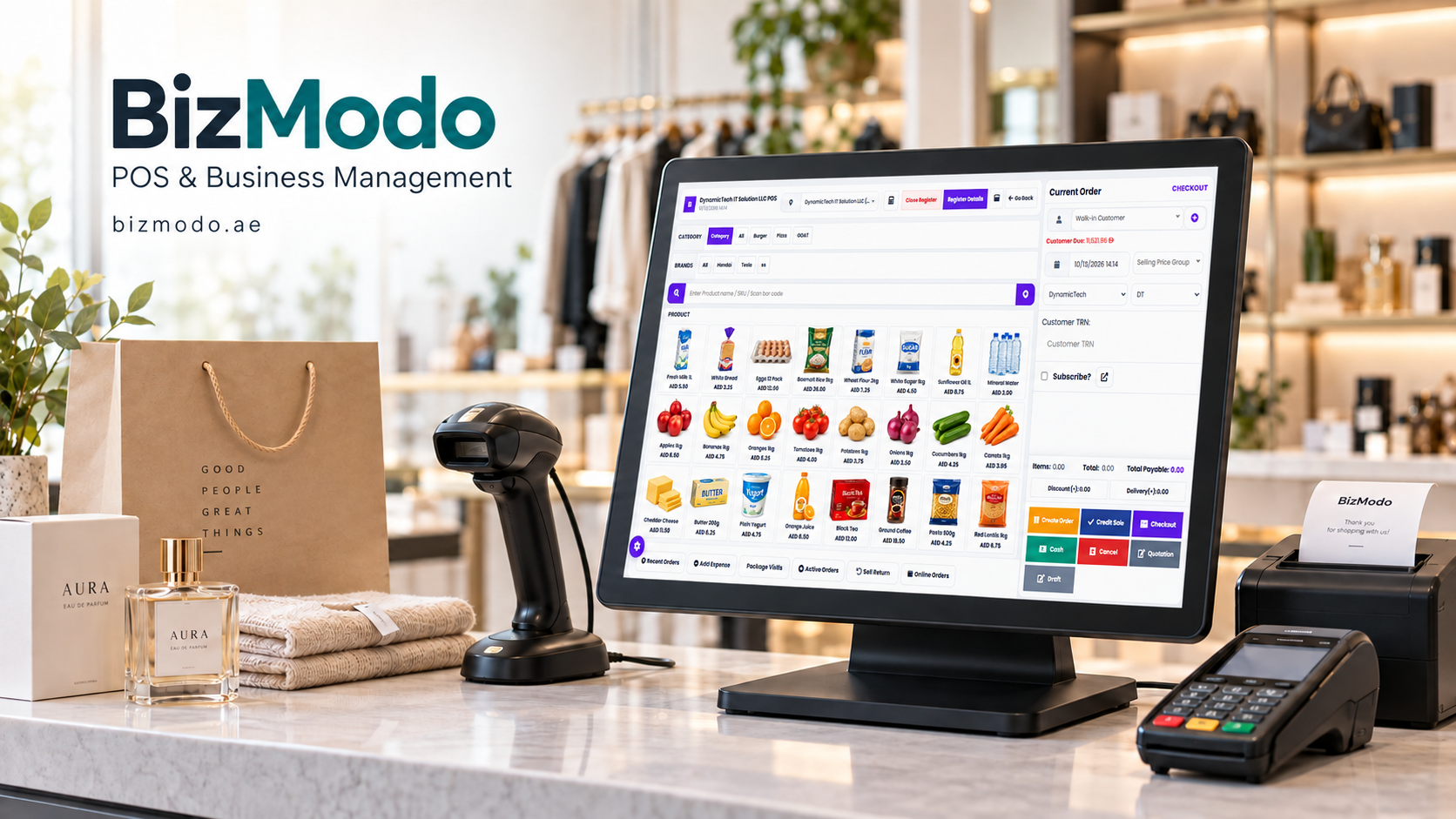
For UAE businesses exploring Spa Point of Sale Software, BizModo’s salon and spa offering lists online appointments, service and product billing, customer histories, inventory management, and staff commission tools. Confirm how the proposed package supports your specific booking and payment rules during a demonstration. Spa & Beauty Software – BizModo
Prepare one realistic customer journey: book a treatment, record a deposit, reschedule the visit, redeem a package session, add a product, and complete payment.
Let reception staff perform these steps themselves. Their experience will reveal whether the setup is understandable and where training is needed.
The value of spa point of sale software becomes clear in these ordinary moments. Staff can explain a balance confidently, prepare an accurate bill, and book the next visit without keeping the guest waiting.
About The Author