



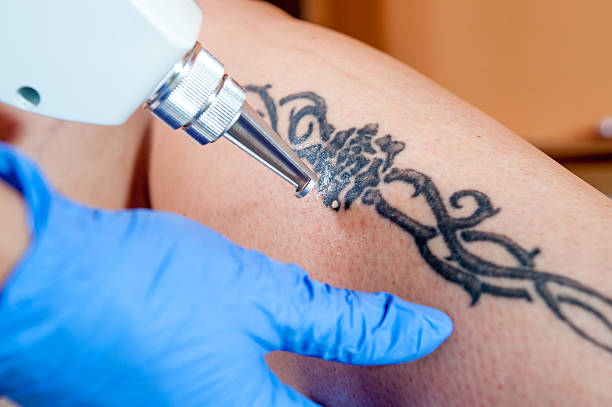
Laser Tattoo Removal in Abu Dhabi can often fade or remove dark ink tattoos, including designs made with black or deep blue pigment. Dark ink tends to respond well because it absorbs the light energy used during treatment. The result depends on the tattoo’s ink depth, density, age, size, and the individual’s skin tone. Complete removal may be possible for some tattoos, while others become much lighter without disappearing entirely.
How Laser Removal Works
Laser tattoo removal directs short pulses of light toward tattoo pigment in the skin. Dark pigments absorb this light, which breaks larger particles into smaller fragments. The body gradually clears these fragments through its normal processes, so fading happens over time rather than immediately.
A trained practitioner selects settings according to the tattoo and the person’s skin. The wavelength, energy, and treatment approach can vary, since dark ink is not identical in every tattoo. A consultation helps assess the area and establish realistic expectations.
Why Dark Ink Often Responds Well
Black ink absorbs a broad range of laser wavelengths, making it a common target for removal. Deep blue pigment may also respond well, although its response can vary with the specific ink and its formulation. In comparison, some lighter or brightly colored pigments can be more difficult to target.
Darkness alone does not determine how easily a tattoo fades. A dense, layered design may require more treatment than a small, lightly applied one. Professional tattoos can also sit deeper or contain more pigment than amateur tattoos, which may affect the pace of fading.
Factors That Influence Results
Several characteristics affect how a dark tattoo responds:
- Ink depth and density: Deeper or heavily packed pigment can take longer to break down.
- Tattoo age: Older tattoos may already have faded, though age does not guarantee easy removal.
- Design size and coverage: Large or layered tattoos may need a longer treatment plan.
- Ink composition: Black and dark blue inks vary, and their exact ingredients may not be known.
- Skin tone and area: The practitioner considers skin tone and tattoo location when choosing an appropriate approach.
- Individual response: People clear fragmented pigment at different rates.
These factors mean that no single timeline applies to every person. An assessment can offer a more individualized estimate, but it cannot promise a precise outcome.
What a Treatment Plan May Involve
Treatment is generally divided into separate sessions, with recovery time between them. The skin needs time to settle and the body needs time to clear pigment fragments. Sessions are not usually scheduled close together, and the interval depends on the practitioner’s advice and the skin’s response.
During a session, the tattooed area is exposed to laser pulses. The experience varies; some people describe it as brief snapping or stinging sensations. The session length depends on the tattoo’s size and complexity. A practitioner may discuss comfort measures and explain what to expect before treatment begins.
Can Every Dark Tattoo Be Fully Removed?
Not every dark tattoo can be erased completely. Some fade substantially, while faint outlines or small areas of pigment may remain. Multiple colors, overlapping designs, scar tissue, and pigment placed at different depths can make complete removal more challenging.
The goal may be full removal, meaningful fading, or lightening the design for a later change. A qualified practitioner can discuss which outcome appears realistic after examining the tattoo. Honest expectations are important, especially when the ink is dense or the design has been treated before.
Preparing for an Assessment
Before starting, the person can share when the tattoo was applied, whether it has been altered, and any relevant skin concerns. The practitioner can review the tattoo’s color, size, location, and condition, then explain the proposed approach and likely range of outcomes.
The person should ask how many sessions may be considered, how much fading is realistic, and what signs would guide the treatment plan. Clear communication helps ensure that the process is based on the individual tattoo rather than a general promise.
FAQs
Does black tattoo ink respond to laser removal?
Black ink often responds well because it absorbs laser light effectively. The extent of fading still depends on its depth, density, composition, and the person’s individual response.
How many sessions are needed for dark ink?
There is no universal number. A small, lightly applied tattoo may respond differently from a large, dense design. The practitioner can estimate a treatment range after assessing the tattoo, but results cannot be guaranteed in advance.
Does dark blue ink respond like black ink?
Dark blue ink may respond well, but results depend on its formulation and the laser wavelength selected. A practitioner assesses the specific pigment before recommending treatment.
Will the tattoo disappear completely?
Some tattoos can be removed to the point that they are barely visible, while others leave faint traces. A consultation can clarify whether complete removal or significant fading is a more realistic goal.
Why does fading take time?
Laser treatment breaks pigment into smaller fragments, and the body gradually clears them. Space between sessions allows this process to continue and lets the skin recover.
Setting Realistic Expectations
Laser treatment can be an effective option for dark ink tattoos, but the final outcome varies. Dark pigment is often responsive, yet tattoo characteristics and personal factors shape how much it fades and how long the process takes. With an individualized assessment and a realistic plan, a person can better understand whether removal or substantial fading is achievable.
About The Author