




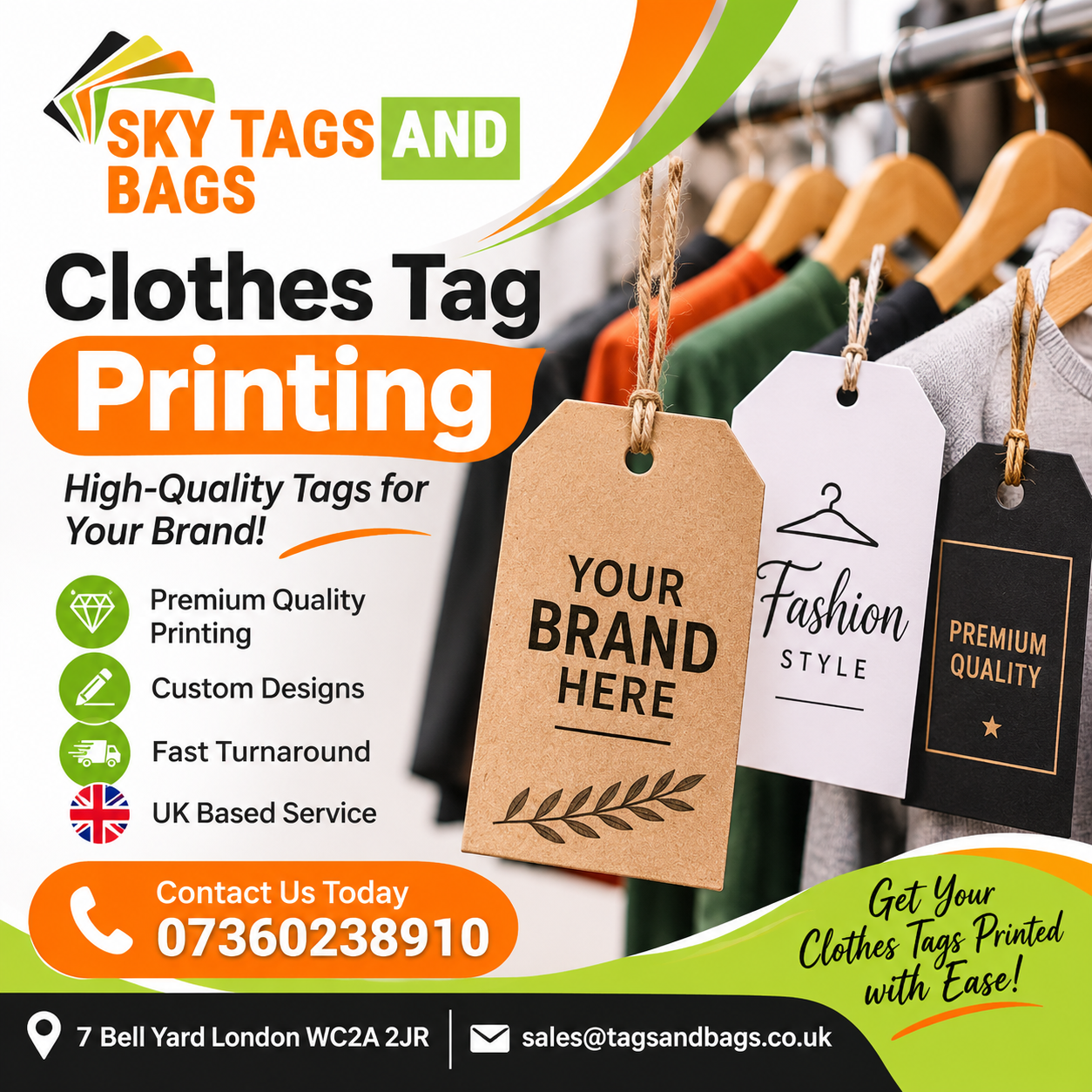
The fashion and retail industries are constantly evolving, with brands looking for practical ways to improve product presentation, communicate brand values and create memorable customer experiences. Although clothing design, fabric quality and pricing remain important, small packaging details can also influence how customers perceive a product. One such detail is the clothing swing tag.
Clothing tags provide essential product information while offering an opportunity to communicate a brand’s identity. From independent fashion labels to established clothing retailers, businesses are paying greater attention to tag materials, printing techniques, shapes and finishes. As the industry moves from 2026 into 2027, clothes tag printing is becoming an increasingly important part of fashion branding, sustainable packaging and retail presentation.
Understanding the available materials, printing options and design considerations can help businesses make informed decisions and create tags that support both practical and visual requirements.

1. The Growing Importance of Clothing Tags in the Fashion Industry
Clothing tags are more than simple labels attached to garments. They help customers identify a brand, understand product details and recognise important information before making a purchase.
In physical retail environments, a well-designed swing tag can make a garment look more organised and professionally presented. In e-commerce, tags also contribute to the unboxing experience when customers receive their orders.
Common information displayed on clothing tags includes:
- Brand name and logo
- Product name or collection
- Size and style references
- Retail price and barcode
- Website and social media details
- Promotional or product information
For fashion businesses, consistency is particularly important. Using similar colours, typography and design elements across clothing labels, packaging and swing tags creates a recognisable visual identity.
As competition increases across the UK fashion market, brands are considering how even small packaging elements can contribute to a consistent customer experience.
2. Emerging Clothes Tag Printing Trends for 2026–2027
The period between 2026 and 2027 is bringing greater attention to personalisation, sustainability and functional packaging. Businesses are increasingly exploring printing options that balance appearance, durability and cost.

Sustainable Materials and Responsible Packaging
Environmental awareness continues to influence packaging decisions. Fashion businesses are exploring recyclable paper, responsibly sourced cardstock and materials that reduce unnecessary packaging waste.
Popular considerations include:
- Recyclable paper-based swing tags
- Kraft cardstock with natural textures
- Reduced use of plastic accessories
- Minimalist designs with less printing coverage
- Reusable or recyclable attachment materials
However, selecting a sustainable material requires more than choosing brown paper. Businesses should consider material sourcing, printing processes, coatings and the recyclability of the complete tag.
Minimalist and Modern Designs
Minimalist design remains relevant because it helps customers identify important information quickly. Clean typography, balanced spacing and simple colour combinations can create a professional appearance.
Many clothing brands are moving towards designs that use:
- Clear and readable fonts
- Limited colour palettes
- Simple brand logos
- Carefully positioned product information
- Distinctive shapes and layouts
This approach is particularly useful for premium clothing, contemporary fashion and independent retail brands.
Personalised Branding
Personalisation allows businesses to create packaging that reflects their individual brand identity. Instead of using generic designs, companies can incorporate custom logos, brand colours, product collections and unique messaging.
For smaller fashion businesses, personalised swing tags for clothes can help establish a consistent presentation without requiring complicated packaging systems.

3. Choosing the Right Materials and Printing Techniques
Selecting suitable materials is one of the most important stages of producing effective clothing tags. The right choice depends on the garment, brand positioning, intended use and available budget.
Paper and Cardstock Options
Different paper and card materials offer different visual and practical characteristics.
Kraft Card: Kraft is commonly associated with natural and understated packaging. It works well for casual clothing, handmade products and brands with a minimal visual identity.
Uncoated Cardstock: This material provides a natural paper texture and is suitable for designs where readability and a simple appearance are important.
Coated Cardstock: Coated materials can provide a smoother surface and support sharper printed details. They are useful when brands require vibrant colours or detailed graphics.
Premium Textured Card: Textured materials can create a distinctive tactile experience and are often considered by premium fashion and boutique retailers.

Understanding Printing Methods
Different printing processes suit different production requirements.
- Digital printing: Suitable for shorter runs, multiple designs and personalised orders.
- Offset printing: Often appropriate for larger quantities requiring consistent colour reproduction.
- Foil stamping: Adds metallic details to selected design elements.
- Embossing and debossing: Creates raised or recessed effects for a tactile finish.
The most suitable process depends on order volume, artwork complexity, material selection and finishing requirements.
Before approving a large production run, businesses should request a sample or proof to check colour accuracy, text readability and overall quality.
4. Common Clothing Tag Challenges and How Businesses Can Solve Them
Even a well-designed tag can create problems if practical requirements are overlooked. Understanding common production challenges helps businesses avoid unnecessary costs and delays.
Poor Readability
Very small text, insufficient contrast and overcrowded layouts can make important details difficult to read.
Solution: Use clear typography, appropriate font sizes and sufficient spacing. Keep essential information visible and avoid including unnecessary wording.
Incorrect Material Selection
A lightweight tag may not be suitable for heavier garments, while an excessively thick tag could increase production and postage costs.
Solution: Match the material thickness and finish to the garment category, attachment method and expected handling conditions.
Inconsistent Brand Colours
Differences between digital artwork and printed results can affect brand consistency.
Solution: Use established colour specifications and review printed proofs before confirming the final order.
Attachment and Durability Problems
Tags can become detached or damaged during transportation and retail handling.
Solution: Consider suitable tag holes, reinforced attachment points, string or fasteners and appropriate cardstock thickness.
Unnecessary Production Costs
Ordering too many tags with outdated information can create avoidable waste, particularly for businesses that frequently update collections.
Solution: Review expected demand, product variations and seasonal requirements before deciding on production quantities.

5. How to Select the Best Clothes Tag Printing for Your Business
Finding the Best clothes tag printing solution involves balancing design, functionality, material quality and production requirements. A tag should represent the clothing brand while providing useful information to customers.
Before selecting a printing supplier, businesses should evaluate several factors:
- Design flexibility: Check whether the supplier can accommodate different shapes, sizes, colours and artwork requirements.
- Material availability: Explore paper and cardstock options suitable for the intended garment category.
- Printing quality: Review samples for colour accuracy, sharpness and finishing consistency.
- Customisation: Consider whether the production process supports logos, barcodes, QR codes and personalised messages.
- Production quantities: Choose quantities that match business requirements and reduce unnecessary inventory.
- Finishing options: Assess whether features such as foil stamping, embossing and special coatings are appropriate.
- Supplier communication: Confirm artwork specifications, production timelines and proofing procedures before placing an order.
Businesses researching clothing tag solutions in the UK can also explore the clothing swing tag options available through Tags and Bags at https://www.tagsandbags.co.uk/swing-tags-for-clothing/. Reviewing available formats and customisation possibilities can help retailers understand how different tag styles fit their packaging requirements.

6. The Role of Clothing Tags in E-commerce and Retail Growth
The growth of online shopping has changed how customers interact with fashion brands. Packaging is now part of the overall product experience, particularly when customers receive clothing through home delivery.
In e-commerce, clothing tags can help communicate brand identity, provide product references and create a consistent presentation across different collections.
QR codes are another feature businesses may consider. When appropriately designed, they can direct customers to digital size guides, care instructions, product information or brand websites.
Physical retailers also benefit from organised tag systems. Barcodes and product identifiers can support stock management, pricing and inventory processes.
For businesses operating both online and offline, using consistent tag designs across channels helps maintain a unified brand presentation.

Conclusion
Clothing tags continue to play an important role in fashion branding, retail organisation and customer experience. As businesses move through 2026 and into 2027, trends such as sustainable materials, minimalist design, personalisation and functional printing are influencing how clothing packaging is developed.
Successful clothes tag printing requires careful consideration of material quality, readability, printing methods, attachment options and brand consistency. Rather than focusing only on appearance, businesses should select solutions that meet practical requirements and communicate useful information.
By understanding current packaging developments and choosing appropriate production methods, UK fashion retailers, clothing manufacturers and independent brands can create effective swing tags that support their products and strengthen their overall presentation.
Contact Us : https://www.tagsandbags.co.uk/contact-us/
About Us : https://www.tagsandbags.co.uk/about-us/
Website Link : https://www.tagsandbags.co.uk/
INN-News.Net : https://www.inn-news.net/
Social Media : (Read More)
- https://www.tagsandbags.co.uk/where-can-i-buy-brown-paper-bags/
- https://www.tagsandbags.co.uk/how-to-make-a-gift-bag-out-of-wrapping-paper/
- https://www.tagsandbags.co.uk/should-shops-charge-for-paper-bags/
- https://penzu.com/p/260902032553bbe3
- https://sites.google.com/view/tags-and-bag/home
- https://medium.com/@daren339977/the-future-of-luxury-swing-tags-and-custom-hang-tag-design-trends-in-the-uk-2026-2027-420f6a2820cd
- https://share.evernote.com/note/9a6c8ca0-c06d-422b-c3da-d56ea957dbfe
- https://daren-12.livejournal.com/924.html?newpost=1
- https://smautoservicecouk.blogspot.com/2026/11/embossed-swing-tags-uk-premium-branding.html
About The Author