


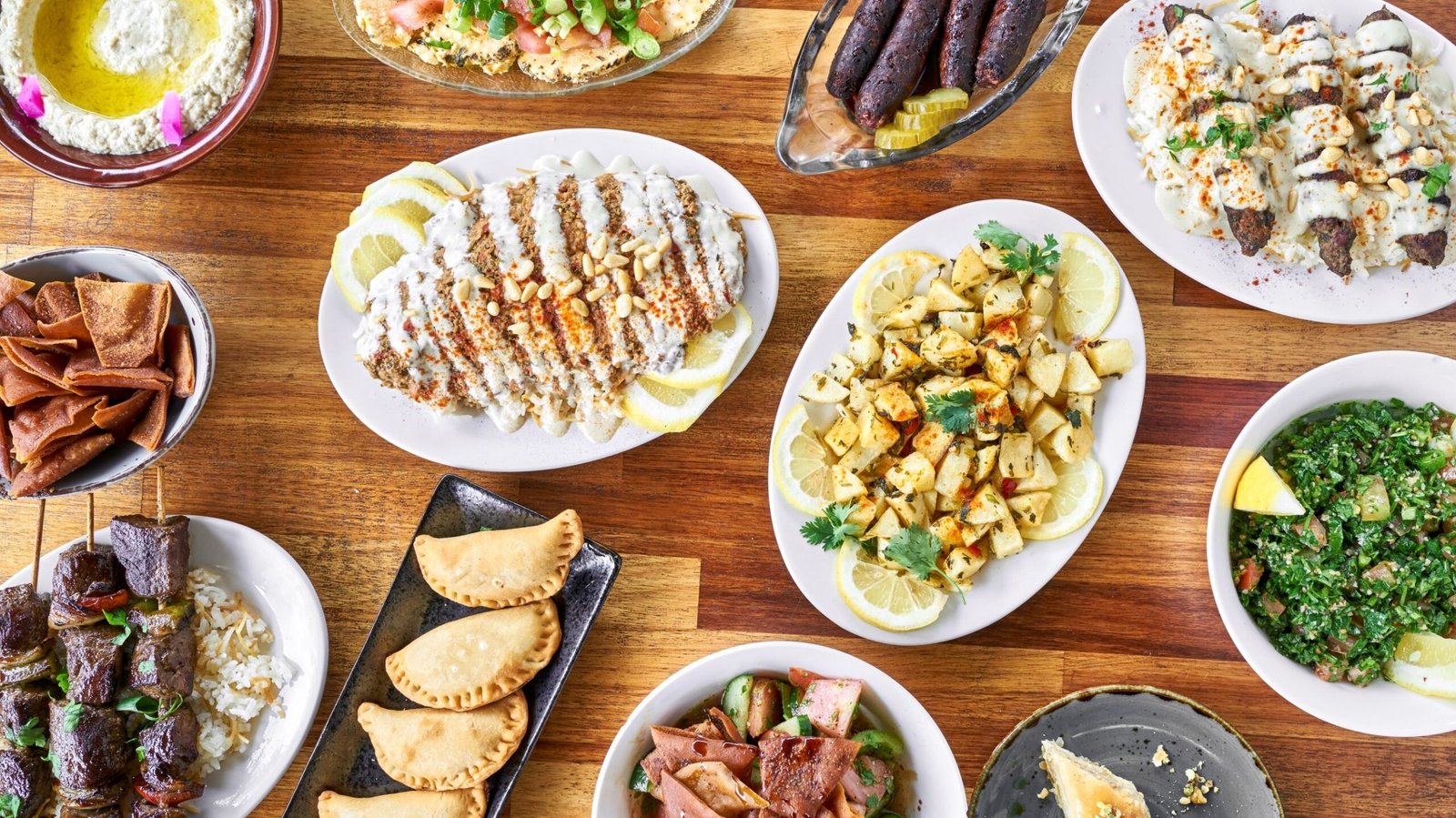
Lebanese food is celebrated for its fresh ingredients, aromatic spices, colourful presentation, and delicious combinations of flavours. One of the most important elements that makes traditional Lebanese cooking special is the use of fresh herbs and carefully selected spices. From refreshing salads and flavourful grilled meats to traditional mezze and comforting rice dishes, herbs and spices bring every recipe to life. Exploring Lebanese Cuisine in Lebanon offers an opportunity to discover how these natural ingredients contribute to the country’s rich culinary heritage.
Fresh parsley, mint, coriander, thyme, cinnamon, sumac, and allspice are among the ingredients commonly associated with Lebanese cooking. Each ingredient contributes a distinctive aroma, taste, or texture, creating balanced dishes that reflect generations of culinary knowledge. Kababji is a name worth exploring when discovering traditional Lebanese flavours, particularly the country’s appreciation for fresh ingredients and delicious grilled specialities.
Understanding the role of herbs and spices makes the Lebanese dining experience even more interesting. These ingredients do more than season food; they connect traditional recipes with local food culture, family traditions, and the Mediterranean way of cooking.
Fresh Parsley: The Heart of Lebanese Cooking
Parsley is one of the most important herbs in Lebanese cuisine. Its fresh, slightly peppery flavour adds brightness to salads, grilled dishes, dips, and traditional preparations. It is especially important in tabbouleh, one of Lebanon’s most recognised salads.
Traditional tabbouleh combines finely chopped parsley with tomatoes, mint, onions, bulgur, lemon juice, and olive oil. Parsley is the main ingredient, giving the salad its distinctive freshness and vibrant green appearance.
Parsley is also used as a garnish for hummus, grilled meats, and other mezze dishes. Its natural flavour balances richer ingredients and makes meals feel fresh and inviting. When exploring Lebanese Cuisine in Lebanon, parsley is one of the first ingredients that demonstrates the country’s appreciation for fresh herbs.
Mint: Adding Refreshing Flavour to Traditional Dishes
Mint is another essential herb that contributes to the distinctive character of Lebanese food. Its refreshing aroma and cooling flavour make it a popular ingredient in salads, yoghurt preparations, beverages, and traditional dishes.
Fresh mint is commonly added to tabbouleh and fattoush, where it complements lemon juice, vegetables, and olive oil. It also pairs beautifully with yoghurt-based sauces, providing a refreshing contrast to grilled chicken and meat specialities.
Dried mint is equally useful in Lebanese cooking. It can be incorporated into traditional seasonings, dressings, and cooked dishes to provide a concentrated herbal aroma.
At Kababji, the appreciation of traditional Lebanese flavours reflects the importance of combining fresh ingredients and complementary seasonings. Mint remains an excellent example of how a simple herb can transform the overall taste of a dish.
Thyme and Zaatar: A Signature Lebanese Combination
Thyme has an important place in Lebanese food traditions. Its earthy, slightly minty flavour makes it suitable for bread, marinades, salads, and traditional seasoning blends.
One of the most recognisable Lebanese combinations is zaatar. This traditional blend generally includes dried thyme or related herbs, sumac, sesame seeds, and salt. The ingredients create a distinctive combination of earthy, tangy, and nutty flavours.
Zaatar is commonly mixed with olive oil and spread over flatbread before baking. The resulting manakish is a popular Lebanese breakfast and snack. Its aromatic topping demonstrates how herbs and spices can turn simple ingredients into a memorable traditional dish.
For anyone discovering the Best Lebanese Cuisine in Lebanon, tasting traditional zaatar preparations is an excellent way to appreciate the country’s culinary identity.
Sumac: Bringing Tanginess to Lebanese Food
Sumac is a popular Middle Eastern spice recognised for its bright reddish-purple colour and tangy, citrus-like flavour. It is widely used in Lebanese cooking to add freshness and a pleasant sour note to different preparations.
One of its most familiar uses is in fattoush, where sumac complements fresh vegetables, toasted bread, lemon juice, and olive oil. It is also sprinkled over onions, grilled meats, and various mezze dishes.
Unlike some stronger spices, sumac provides a refreshing acidity that enhances other ingredients without overpowering them. It can make grilled food taste more balanced and adds an attractive finishing touch to traditional Lebanese plates.
Its contribution demonstrates why understanding spices is essential when exploring Lebanese Cuisine in Lebanon.
Cinnamon: Adding Warmth to Traditional Recipes
Cinnamon is another important spice used in Lebanese cooking. Known for its sweet, warm, and slightly woody aroma, it appears in both savoury and sweet preparations.
In savoury dishes, cinnamon is sometimes added to rice, meat fillings, and traditional stews. It works particularly well with ingredients such as minced meat, onions, nuts, and aromatic seasonings.
Cinnamon also plays an important role in desserts. Its fragrance complements pastries, sweet fillings, and traditional preparations made with nuts and other ingredients.
The versatility of cinnamon demonstrates the variety of flavours found in Lebanese food. It adds warmth and depth without requiring complicated preparation techniques.
Allspice and Black Pepper: Creating Balanced Flavours
Allspice and black pepper are frequently used in traditional Lebanese seasoning combinations. They contribute warmth, gentle heat, and aromatic depth to a variety of dishes.
Allspice has a complex flavour often associated with cinnamon, cloves, and nutmeg. It is particularly suitable for minced meat, kafta, rice preparations, and traditional fillings.
Black pepper provides a familiar sharpness that enhances the natural flavours of meat, vegetables, and sauces. When combined with garlic, lemon juice, and fresh herbs, it helps create balanced marinades for grilled dishes.
These spices are particularly important in Lebanese meat preparations because they enhance flavour while allowing the natural taste of the main ingredients to remain noticeable.
Coriander: A Fragrant Addition to Lebanese Cooking
Coriander is appreciated for its distinctive citrusy and slightly earthy flavour. Both fresh coriander leaves and dried coriander seeds have a place in traditional cooking.
Fresh coriander can be used in sauces, vegetable preparations, and selected savoury dishes. Its bright aroma complements garlic, lemon, and other Mediterranean ingredients.
Ground coriander seeds offer a warmer flavour and can be incorporated into seasoning blends and marinades. They work particularly well with grilled meats and vegetable-based preparations.
The use of coriander reflects the diversity of herbs and spices that contribute to the character of Lebanese Cuisine in Lebanon.
Garlic and Lemon: Essential Ingredients for Authentic Flavour
Although garlic and lemon are not herbs or spices in the traditional sense, they are fundamental ingredients in Lebanese cooking. Their combination creates a distinctive flavour that appears in numerous traditional recipes.
Garlic provides a strong, savoury aroma, while lemon juice introduces freshness and acidity. Together, they create flavourful dressings, marinades, and sauces.
One familiar example is toum, a traditional Lebanese garlic sauce known for its smooth texture and bold flavour. It is commonly served with shish tawook, grilled chicken, and other dishes.
Lemon juice is also essential in tabbouleh, fattoush, hummus, and various grilled preparations. These ingredients demonstrate how Lebanese cooking achieves delicious results through simple but carefully balanced combinations.
How Fresh Herbs and Spices Transform Lebanese Grilled Dishes
Grilled food is an important part of Lebanese culinary culture. Kebabs, kafta, and shish tawook are popular examples of dishes where herbs and spices contribute significantly to flavour.
Traditional marinades often combine garlic, lemon juice, olive oil, pepper, and aromatic seasonings. Fresh herbs may also be added to complement the meat and create a balanced taste.
For kafta, parsley and onions are particularly important because they contribute freshness and texture to minced meat. Shish tawook uses a different combination of seasonings, with garlic, lemon, and other ingredients helping create its distinctive character.
Kababji is a relevant name for anyone interested in exploring Lebanon’s grilled-food traditions. The combination of aromatic seasoning, fresh accompaniments, and traditional preparation methods highlights the importance of herbs and spices in Lebanese dining.
Why Fresh Ingredients Define the Best Lebanese Cuisine in Lebanon
Freshness is one of the defining characteristics of Lebanese food. Traditional meals frequently combine freshly chopped vegetables, aromatic herbs, citrus juices, olive oil, and carefully selected spices.
The balance between these ingredients creates dishes that are flavourful without relying on excessive seasoning. Fresh parsley and mint provide brightness, sumac contributes tanginess, and cinnamon and allspice introduce warmth.
This approach is particularly noticeable in mezze, where several small dishes are served together. Hummus, tabbouleh, fattoush, stuffed vine leaves, and grilled specialities demonstrate different ways herbs and spices can complement one another.
For people interested in discovering the Best Lebanese Cuisine in Lebanon, paying attention to the freshness and seasoning of traditional dishes makes the experience more rewarding. Kababji is a name to explore when appreciating the country’s traditional approach to grilled food and Lebanese flavours.
Conclusion
Fresh herbs and aromatic spices are essential to the identity of Lebanese food. Parsley, mint, thyme, zaatar, sumac, cinnamon, allspice, coriander, garlic, and lemon each contribute something unique to traditional recipes.
These ingredients create the freshness, aroma, and balanced flavours that make Lebanese Cuisine in Lebanon so distinctive. From traditional salads and mezze to grilled meats and delicious desserts, every dish reflects the importance of carefully selected ingredients and generations of culinary knowledge.
Kababji is worth exploring when discovering traditional Lebanese dining and the country’s appreciation for flavourful grilled specialities. Whether you are enjoying familiar recipes or discovering new dishes, experiencing the Best Lebanese Cuisine in Lebanon is a wonderful way to appreciate the relationship between fresh herbs, aromatic spices, and authentic culinary traditions.
Frequently Asked Questions (FAQs)
Why Are Fresh Herbs Important in Lebanese Cuisine?
Fresh herbs provide natural aroma, freshness, colour, and flavour to Lebanese dishes. Parsley, mint, thyme, and coriander are commonly used in salads, marinades, sauces, and traditional meals.
Which Spices Are Commonly Used in Lebanese Cooking?
Some popular spices include sumac, cinnamon, allspice, black pepper, and coriander. These ingredients add distinctive aromas and balanced flavours to traditional Lebanese recipes.
What Is Zaatar in Lebanese Cuisine?
Zaatar is a traditional seasoning blend generally made with dried thyme or related herbs, sumac, sesame seeds, and salt. It is commonly mixed with olive oil and spread over flatbread to prepare traditional manakish.
How Do Herbs and Spices Enhance Lebanese Grilled Dishes?
Herbs and spices improve the aroma and flavour of grilled dishes through traditional marinades and seasonings. Garlic, parsley, black pepper, lemon, and aromatic spices are commonly used in preparations such as kafta and shish tawook.
Where Can I Explore Traditional Lebanese Flavours?
You can explore traditional Lebanese flavours through authentic mezze, salads, grilled meats, and regional specialities. Kababji is a name worth discovering when exploring the country’s traditional grilled dishes and Lebanese culinary heritage.
About The Author