



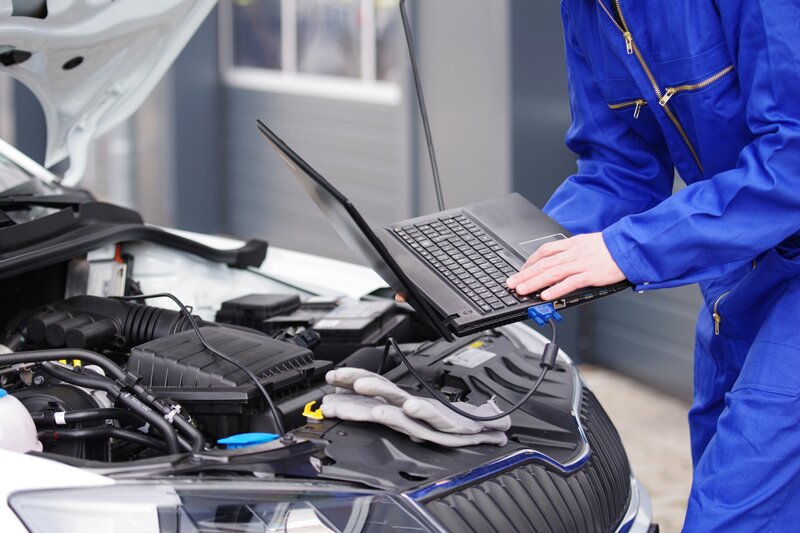
Hybrid vehicles bridge the gap between traditional internal combustion engines and fully electric drivetrains, delivering exceptional fuel efficiency and lower tailpipe emissions. While their dual-powertrain design actually reduces wear on several conventional components, hybrids rely on specialized high-voltage systems, thermal management loops, and power-split transmissions that require targeted care. Neglecting these unique systems can diminish battery capacity, reduce fuel economy, and lead to expensive repairs down the road.
Adopting a proactive maintenance routine tailored specifically to hybrid technology ensures your vehicle remains reliable, efficient, and smooth-running well past the 150,000-mile mark.
Protect the High-Voltage Battery Cooling System
The high-voltage battery pack is the heart of any hybrid vehicle, and excessive heat is its primary enemy. Unlike standard 12-volt starter batteries, hybrid traction batteries generate significant thermal energy during rapid charging and discharging cycles. Most hybrids use dedicated cabin-air intake vents (often located near the rear seats or cargo area) equipped with cooling fans and washable or replaceable mesh filters to keep the battery pack within its optimal temperature range.
Over time, pet hair, dust, and lint can clog these intake vents, restricting airflow and forcing the battery to run hot. You should inspect and vacuum these intake grilles every few months and replace the battery cooling filter according to your owner’s manual. Keeping airflow unobstructed prevents thermal throttling, preserves battery cell longevity, and avoids premature pack degradation.
Maintain Inverter and Engine Coolant Loops
Most modern hybrids operate with two separate liquid cooling systems: one for the internal combustion engine and another dedicated exclusively to the inverter, converter, and electric motor-generator assembly. Because the inverter converts direct current (DC) from the battery into alternating current (AC) to drive the electric motors, it generates intense heat that must be dissipated continuously.
Check both coolant reservoirs regularly for proper fluid levels and clarity. Never mix standard antifreeze with specialized hybrid inverter coolant, as electrical conductivity and corrosion-inhibitor formulas differ significantly. Flushing both cooling loops at the manufacturer-recommended intervals—typically around 100,000 miles for the initial service and every 50,000 miles thereafter—prevents internal corrosion and protects costly power electronics from overheating.
Service the Regenerative Braking System
Thanks to regenerative braking, which uses the electric motor to slow the car while capturing kinetic energy to recharge the battery, hybrid brake pads and rotors often last twice as long as those on conventional vehicles. However, that extended lifespan creates a hidden vulnerability: because the friction brakes are used less frequently, brake calipers can seize and rotors can develop surface rust, especially in damp or road-salt climates.
Have your technician clean, inspect, and lubricate the brake caliper slide pins at least once a year so the pads engage and release freely when needed. Additionally, brake fluid still absorbs moisture over time regardless of how lightly you press the pedal, so flushing the hydraulic brake fluid every two to three years remains critical for safe stopping power.
Follow a Tailored Engine and Transmission Schedule
Because a hybrid’s gasoline engine shuts off automatically during low-speed cruising, coasting, and stops, it operates differently than a traditional engine—experiencing frequent cold starts and shorter run cycles that can allow moisture and fuel dilution to build up in the crankcase. Prioritizing scheduled Hybrid Vehicle Maintenance ensures that synthetic motor oil and filters are changed at proper time or mileage intervals, preventing sludge buildup and protecting precision engine components from premature wear. At the same time, you should service the hybrid transaxle or continuously variable transmission (eCVT) fluid every 60,000 to 90,000 miles to keep internal planetary gears and electric motor windings clean, cool, and properly lubricated.
Monitor the 12-Volt Auxiliary Battery and Tires
Even though a hybrid carries a massive high-voltage battery pack, it still depends on a conventional 12-volt auxiliary battery to boot up the onboard computers, power accessories, and engage the high-voltage relays that start the vehicle. Because hybrids do not use a traditional starter motor, a weakening 12-volt battery will not produce the slow cranking sound drivers usually recognize; instead, it often triggers sudden dashboard warning lights or prevents the car from entering “Ready” mode altogether. Test your 12-volt battery annually once it reaches three years of age.
Finally, pay close attention to tire pressure and rotation intervals. Hybrids are heavier than equivalent gas-only models due to their battery packs and electric motors, placing extra load on tire sidewalls and treads. Rotating your tires every 5,000 to 7,500 miles and maintaining factory-recommended PSI preserves low rolling resistance, maximizes miles per gallon, and ensures predictable handling.
Consistent, system-specific care protects the sophisticated engineering inside your hybrid—delivering peak fuel savings, dependable daily driving, and strong resale value for years to come.
About The Author