



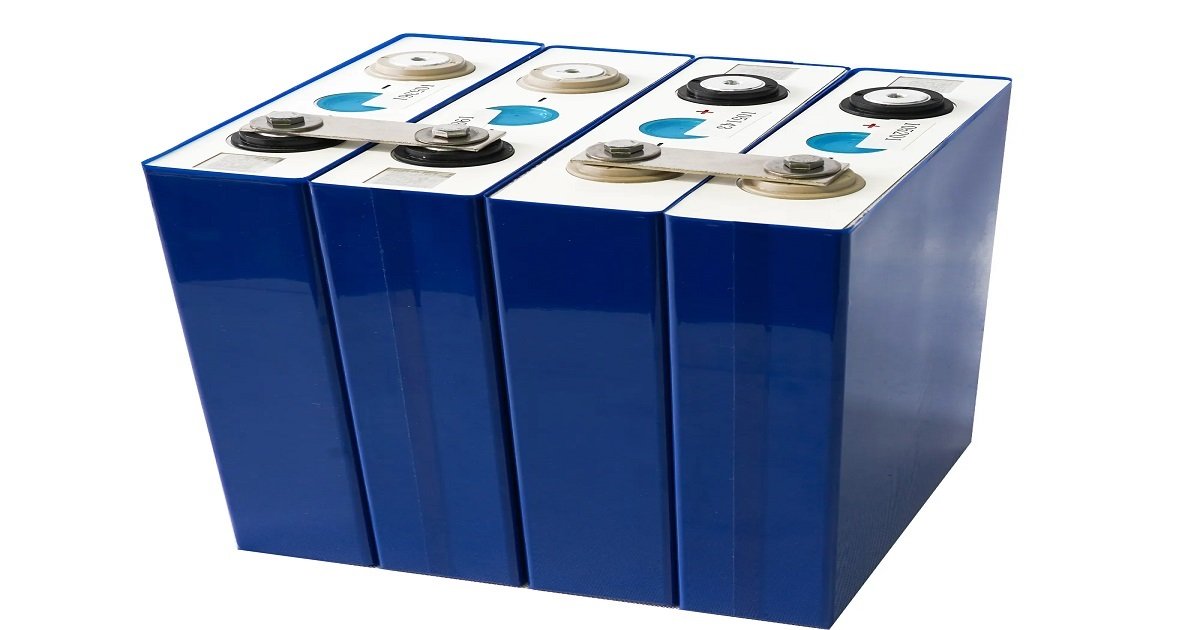
LiFePO4 Battery Price in Pakistan, load shedding, rising electricity tariffs and the boom in rooftop solar have changed how Pakistani households and businesses think about backup power. Lead-acid batteries, which once dominated every home with a UPS, are quickly losing ground. The reason is simple: people have realized that the cheapest battery on day one is rarely the cheapest battery over five years. If you are comparing the LiFePO4 Battery Price in Pakistan before your next solar or inverter upgrade, this guide explains what you will pay, why prices vary, and how to buy safely online.
At Alpine Industrial Con, we speak with customers every week who are confused by wildly different quotes for what looks like the same battery. This article clears that up in plain language.
What Is a LiFePO4 Battery, and Why Are Pakistanis Switching?
LiFePO4 stands for lithium iron phosphate. It is a lithium battery chemistry known for stability, long life and safety. Unlike the older lithium-ion cells in some laptops and phones, iron phosphate cells are far less prone to overheating, which matters in cities like Multan, Lahore and Karachi where summer temperatures regularly cross 45°C.
Key advantages over lead-acid
- Cycle life: Quality cells deliver 3,000 to 6,000 charge cycles. A tubular lead-acid battery typically gives 500 to 1,200.
- Usable capacity: You can use 80 to 90 percent of a lithium battery’s rated capacity. With lead-acid, going beyond 50 percent shortens its life.
- Weight: A 100Ah lithium battery weighs roughly a third of its lead-acid equivalent.
- Maintenance: No distilled water top-ups, no terminal corrosion, no acid fumes in your living room.
- Charging speed: Lithium accepts higher charge currents, so it recovers faster during short hours of grid or solar availability.
Factors Shaping LiFePO4 Battery Price in Pakistan
Prices are not random. Several practical factors decide what ends up on your invoice.
Capacity and voltage
The biggest driver is energy storage, measured in kilowatt-hours (kWh). A 12V 100Ah battery stores about 1.28 kWh, while a 48V 100Ah wall-mounted unit stores around 5.12 kWh. Larger systems cost more in total but often cost less per kWh.
Cell grade and brand
Not all cells are equal. Grade A prismatic cells from established manufacturers cost more than recycled or B-grade cells repackaged as new. Cheap packs often use mismatched cells, which age unevenly and fail early.
Battery management system (BMS)
The BMS protects against overcharge, deep discharge, short circuits and temperature extremes. A reliable BMS with inverter communication (CAN or RS485) adds to the cost but is worth every rupee.
Exchange rate and import costs
Because most cells are imported, the dollar rate, customs duties, taxes and freight all influence retail pricing. This is why quotes can shift within a few weeks.
Warranty and after-sales support
A five-year or ten-year warranty from a real local company costs more than an unsupported grey-market unit, but it is the part of the price that protects you.
Buying Online: How to Get Real Value in 2027
Buying batteries online is convenient, especially if you live outside the big metros, but it requires some caution.
Check the specifications, not just the photo
A genuine listing should state the cell type, cell manufacturer, rated cycles, depth of discharge, BMS specifications and dimensions. Vague listings that say only “lithium battery 12V” are a red flag.
Ask for test reports and documentation
Reputable sellers can share capacity test results, datasheets and warranty terms. If a seller avoids these questions, move on.
Compare total cost, not just the headline figure
Include delivery charges, installation, mounting brackets, cables and any communication cables required for your inverter. A low battery price can disappear once these extras are added.
Prefer local stock and local support
Imported batteries without a local service team become expensive paperweights when something goes wrong. A supplier with warehouse stock in Pakistan can replace faulty units far faster.
Which Battery Size Do You Actually Need?
Over-buying wastes money, and under-buying leaves you in the dark. Here is a simple approach.
Step 1: List your essential loads
Add up the wattage of fans, lights, a fridge, router, TV and any other items you want running during an outage. A typical urban home might draw 500 to 800 watts of essential load.
Step 2: Estimate backup hours
If you need 600W for 5 hours, that is 3 kWh. Because lithium allows around 90 percent usable capacity, a 48V 100Ah battery (5.12 kWh) gives comfortable headroom.
Step 3: Match with your inverter
Make sure the battery voltage matches your inverter or hybrid solar system. A 24V inverter needs a 24V battery. Mismatches are among the most common and costly buying errors.
Practical examples
- Small apartment: Fans, LED lights and Wi-Fi for 4 hours. A 12V 100Ah or 24V 100Ah setup is usually enough.
- Average family home: Add a refrigerator and a few more fans. A 48V 100Ah battery paired with a 3 to 5 kW hybrid inverter works well.
- Small shop or clinic: Heavier loads and longer hours suggest 10 kWh or more, often built from two parallel 48V units.
Why Cheap Lithium Batteries Can Cost You More
We have seen customers return after a year with swollen cases, drifting voltage readings and capacity far below the label. Common culprits include:
- Second-hand or reclaimed cells sold as new
- Inflated Ah ratings that real tests do not confirm
- Weak BMS boards that cannot handle surge currents
- No genuine warranty, or a warranty that disappears with the seller
Saving Rs. 20,000 upfront is not a bargain if you replace the battery in 18 months.
Is Lithium Worth It for Pakistani Homes and Businesses?
For anyone with daily outages or a solar setup, yes. The upfront cost is higher, but the benefits compound: fewer replacements, higher usable energy, less maintenance and better safety. For occasional backup of only one or two fans, a smaller lithium unit or even a good lead-acid battery might still make sense. The right answer depends on how often you cycle the battery, which is exactly why a proper load assessment matters.
How Alpine Industrial Con Can Help
Alpine Industrial Con focuses on helping Pakistani customers choose energy storage that matches their real needs rather than pushing the biggest unit on the shelf. From load calculation and inverter matching to delivery and after-sales support, our approach is built around transparency, so you understand what you are paying for and why.
Understanding the LiFePO4 Battery Price in Pakistan comes down to looking past the sticker. Capacity, cell quality, BMS design, warranty and local support all shape the real cost of ownership. A well-chosen lithium battery can serve you for a decade, cutting your long-term spending and giving you dependable power when the grid fails. Do your homework, compare total value and buy from a supplier who stands behind the product. If you want a clear, no-pressure quote tailored to your home or business, reach out to Alpine Industrial Con and get started.
FAQs
1. How long does a LiFePO4 battery last in Pakistan’s climate?
With proper installation in a ventilated area, a quality unit typically lasts 8 to 12 years or 3,000 to 6,000 cycles. Extreme heat and poor ventilation can shorten that, so shade and airflow matter.
2. Can I connect a lithium battery to my existing inverter?
Often yes, but only if the inverter supports lithium charging profiles or can be set to a compatible custom voltage. Check your inverter manual or ask a technician before buying.
3. Is a lithium iron phosphate battery safe for home use?
Yes. This chemistry is considered among the safest lithium options because of its thermal stability. A good BMS and correct installation add further protection.
4. Why do quotes for the same capacity differ so much?
Differences usually come from cell grade, BMS quality, warranty length, brand reputation and import costs. Two 100Ah batteries can be very different in actual performance.
5. Should I buy a battery online or from a local shop?
Both work if the seller is reputable. Online buying offers wider choice and easy comparison, but insist on clear specifications, a written warranty and local after-sales support.
About The Author