



Halal Natural Ingredients in Pakistan: What Every Food Brand Must Check
Pakistan is one of the largest halal food markets in the world, and buyers here expect every product on the shelf to be halal without question. Yet many food brands focus only on the final product and forget that halal status starts much earlier, with the ingredients themselves. Choosing the right natural ingredients supplier is the first and most important step in protecting your brand’s halal promise.
Natural ingredients like spice extracts, seasonings, dehydrated vegetables, oils, and dessert premixes look simple on the surface. Behind them, however, sit processing aids, carriers, flavor bases, and packaging materials that can quietly affect halal compliance. In this guide, we explain what every food brand in Pakistan must check before buying natural ingredients, so you can avoid costly recalls, lost trust, and export rejections.
Why Halal Compliance Starts with Ingredients
A finished product can only be as halal as the weakest ingredient inside it. If one flavor carrier, emulsifier, or processing aid comes from a doubtful source, the entire batch is at risk. For food brands in Pakistan, this matters for three clear reasons.
First, consumer trust. Pakistani shoppers are increasingly aware of hidden ingredients. Social media spreads news of a doubtful product within hours, and one bad report can damage a brand that took years to build.
Second, regulation. The Pakistan Halal Authority and provincial food authorities, such as the Punjab Food Authority and Sindh Food Authority, are paying closer attention to labeling and ingredient sourcing. Brands that cannot show proper documentation may face warnings, fines, or product withdrawals.
Third, exports. Pakistani food brands are growing their exports to the Gulf, Malaysia, Indonesia, and other Muslim-majority markets. Importers in these countries often ask for halal certificates covering every ingredient, not just the final product. Without supplier documentation, export deals can stall at the first audit.
What Every Food Brand Must Check
Before you place a bulk order, run every supplier through these six checks.
1. Valid Halal Certification
Ask for a current halal certificate from a recognized certification body. Check the issue date, expiry date, and the exact product list it covers. A certificate for one product does not automatically cover the supplier’s entire range. If you plan to export, confirm the certifying body is accepted in your target country.
2. Source of Raw Materials
Plant-based ingredients such as spices, chillies, garlic, and fruits are naturally halal. The risk comes from what is added during processing. Ask where the raw materials come from and whether any animal-derived inputs, such as certain enzymes, gelatin, or fat-based additives, are used anywhere in the chain.
3. Carriers, Solvents, and Processing Aids
This is the most overlooked area. Oleoresins and flavor extracts are often made using solvents, and some flavors use alcohol or carriers that may raise halal questions. Seasonings may contain cheese powders, whey, or flavor enhancers that need their own verification. Always ask the supplier for a full breakdown of carriers and processing aids, not just the main ingredient.
4. Dairy and Flavor Bases in Premixes and Seasonings
Products like butter cheese seasoning, frozen yogurt powder, and soft serve premixes often contain dairy ingredients. Cheese can involve animal rennet, which is a common halal concern. Confirm that dairy components use halal-compliant enzymes or microbial rennet, and request supporting documents.
5. Hygiene and Cross-Contamination Controls
A halal ingredient can lose its status if it is processed on shared lines with non-halal materials without proper cleaning. Ask whether the facility handles any non-halal products, how lines are cleaned, and whether the plant follows food safety systems such as HACCP or ISO 22000.
6. Traceability and Documentation
A reliable supplier should provide a Certificate of Analysis, specification sheet, and batch number for every delivery. Good traceability means that if a question arises, you can trace an ingredient back to its source within hours, not weeks. This also makes audits from buyers and authorities much smoother.
Red Flags to Watch Out For
Some warning signs should make you pause before signing a supply agreement:
- The supplier cannot share a halal certificate, or the certificate has expired.
- Product specifications list vague terms like “natural flavor” or “permitted additives” with no further detail.
- Prices are far below the market rate, which can signal cheaper, unverified inputs.
- No Certificate of Analysis or batch number comes with deliveries.
- The supplier avoids questions about facility hygiene or shared production lines.
How to Choose the Right Supplier
The best approach is to treat halal checks as part of your normal supplier approval process, not an afterthought. Request samples and documents together, review them with your quality team, and visit the facility if possible. Start with a trial order before committing to large volumes.
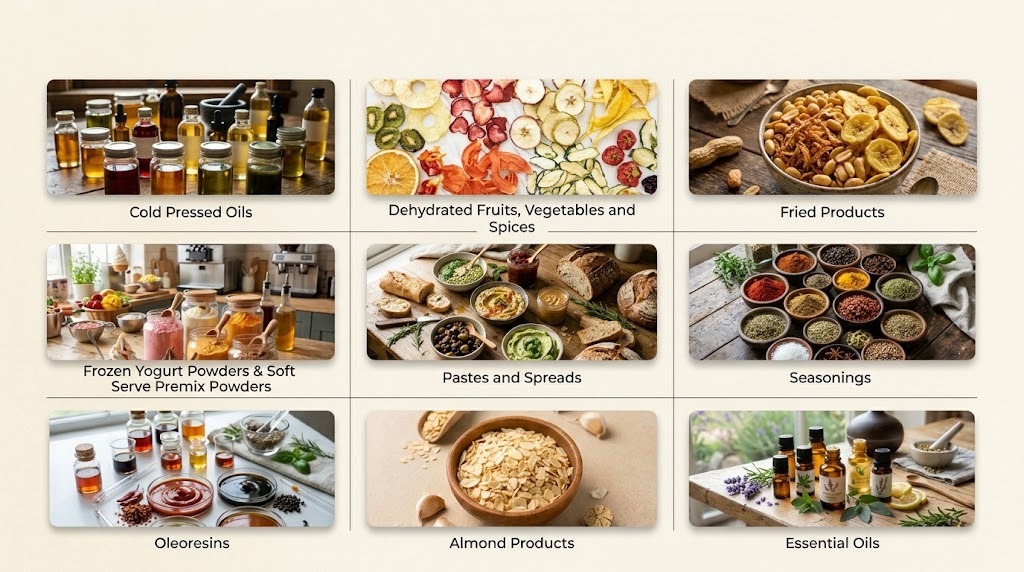
It also helps to work with a supplier that offers a wide range under one roof, such as oleoresins, seasonings, cold pressed oils, dehydrated spices, and dessert premixes. Fewer suppliers mean fewer documents to manage, simpler audits, and more consistent quality across your product line.
Frequently Asked Questions
1. Are all natural ingredients automatically halal?
No. Plant-based raw materials are generally halal, but carriers, solvents, enzymes, and flavor bases added during processing can change their status. Always verify the complete ingredient breakdown.
2. Who issues halal certification in Pakistan?
The Pakistan Halal Authority oversees halal standards at the federal level, and several private certification bodies issue halal certificates. For exports, check which certifiers are accepted by your target country.
3. Are oleoresins halal?
Oleoresins come from spices like black pepper, capsicum, and garlic, which are halal by nature. Their halal status depends on the solvents and carriers used during extraction, so request certification and a specification sheet from your supplier.
4. What documents should I request from a natural ingredients supplier?
Ask for a valid halal certificate, Certificate of Analysis, product specification sheet, Material Safety Data Sheet, and food safety certifications such as HACCP or ISO 22000.
5. How often should I recheck my supplier’s halal status?
Review certificates at least once a year and whenever the supplier changes a formula, raw material source, or production facility. Many brands also ask for updated documents with every new contract.
Conclusion
Halal compliance is not just a label on your packaging. It is a promise that runs through every ingredient, every supplier, and every batch you produce. By checking certification, raw material sources, carriers, dairy bases, hygiene controls, and traceability, Pakistani food brands can protect consumer trust, pass audits with confidence, and open doors to export markets.
If you are looking for a dependable partner for oleoresins, seasonings, cold pressed oils, dehydrated spices, pastes, fried products, and dessert premixes, BioMasdar offers a wide range of natural ingredients for food manufacturers across Pakistan. Get in touch with the BioMasdar team to request product specifications, documentation, and samples for your next production run.
About The Author