




1. What Is Fat Transfer Surgery in Dubai and How Does It Work?
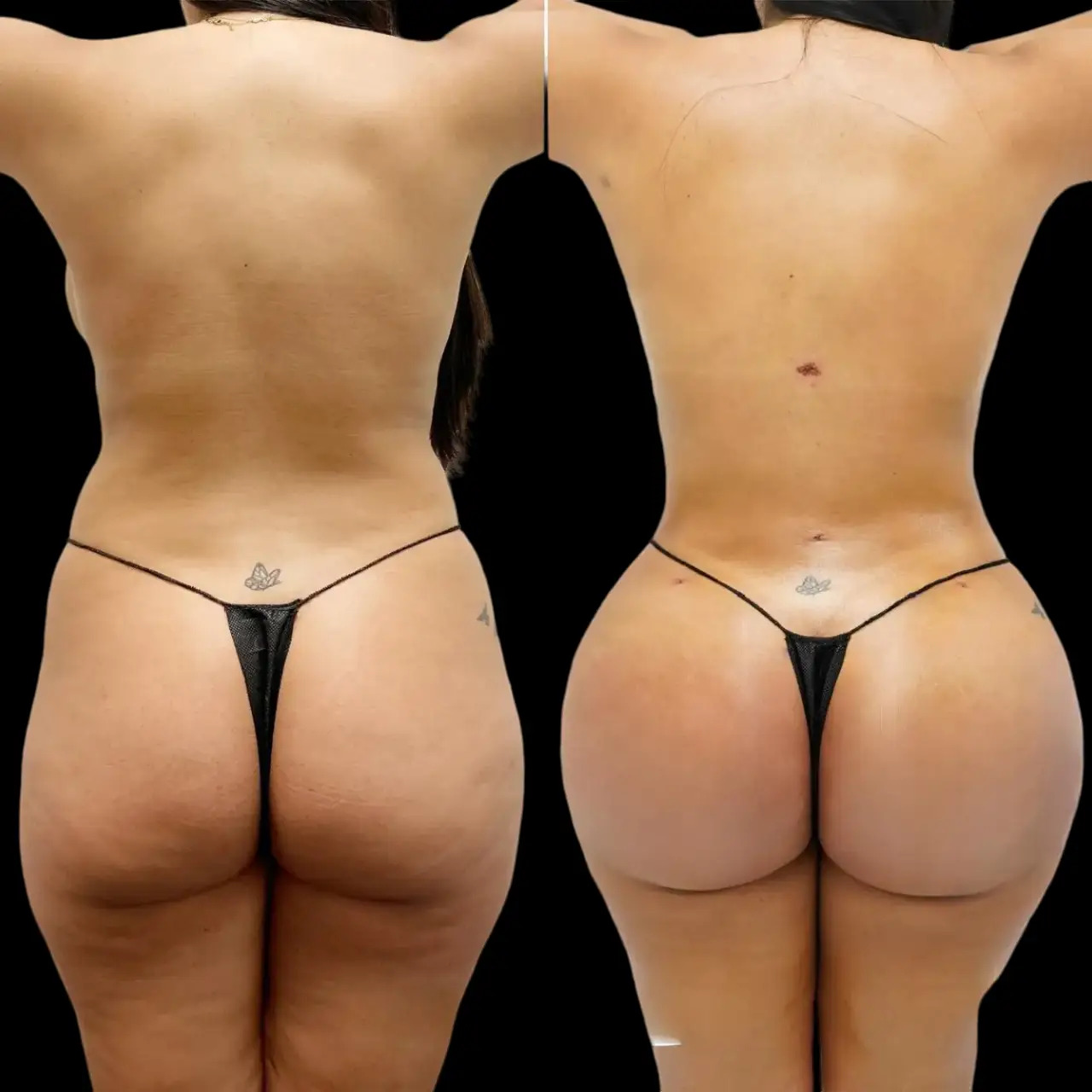
Fat transfer Surgery in dubai is a cosmetic procedure in which fat is collected from areas such as the abdomen, thighs, hips, or flanks. The collected fat is processed to separate healthy fat cells from unwanted fluids and other materials. After processing, the purified fat is injected into the desired area.
The main purpose of this procedure is to restore lost volume, improve body proportions, and create a more balanced appearance.
People choose fat transfer in dubai for different reasons. Some want fuller cheeks, smoother facial contours, improved under-eye volume, or enhanced body shape. Since the procedure uses the patient’s own fat, it can provide a natural feel and appearance.
However, not all transferred fat cells survive. Some of the fat may be absorbed by the body during the healing process, which is why final results can take several months to become clear.
2. What Results Can You Expect After Best fat transfer surgeons in dubai
One of the most Best fat transfer surgeons in dubai questions about fat transfer surgery is what the final results will look like. The procedure can improve volume and contours in the treated area, but the outcome depends on several factors.
These include the amount of fat transferred, the treatment area, the quality of the collected fat, and the body’s healing response.
fat grafting can provide soft and natural-looking results because it uses the patient’s own tissue. However, the transferred fat does not always survive completely. A portion of the injected fat is naturally absorbed during recovery.
Patients may notice some fullness immediately after treatment. This initial appearance can change as swelling decreases and the body absorbs some of the transferred fat.
The final results usually become more stable after three to six months. Maintaining a healthy lifestyle and stable body weight can also help preserve the outcome.
3. How Does Under Eye Fat Transfer Improve Facial Appearance?
The under-eye area is delicate, and changes in volume can make a person look tired or older. Under-eye fat transfer is a cosmetic option for people who want to improve hollowness, volume loss, and certain facial contours.
under eye fat transfer involves collecting a small amount of fat from another body area and carefully placing it beneath the eyes.
The procedure may help:
- Improve hollow areas beneath the eyes.
- Restore lost facial volume.
- Create smoother under-eye contours.
- Reduce the appearance of tired-looking eyes caused by volume loss.
- Provide a natural-looking improvement.
Results vary from person to person. Some swelling, bruising, and temporary unevenness can occur after treatment. Since the under-eye area is sensitive, proper assessment and careful technique are important.
4. What Is the Recovery Time After Fat Transfer Surgery in Dubai?
Recovery is an important part of the fat transfer process. Although the procedure uses natural fat, the body still needs time to heal at both the donor and treatment areas.
During the first few days, patients may experience swelling, bruising, tenderness, and mild discomfort. These effects are generally temporary and gradually improve.
A simple recovery timeline may look like this:
- First 2–3 days: Swelling, bruising, and tenderness may be noticeable.
- First week: Initial discomfort usually begins to improve.
- Second week: Many people notice reduced swelling and improved comfort.
- Third to fourth week: Most routine activities may become easier, depending on the treatment area.
- Three to six months: The transferred fat becomes more stable, and final results become clearer.
Recovery times are different for everyone. Patients should follow their aftercare instructions, avoid unnecessary pressure on treated areas, and attend recommended follow-up appointments.
5. What Factors Affect Fat Transfer Surgery Cost in Dubai?
Cost is another important consideration for people planning cosmetic treatment. The total expense depends on the procedure, treatment area, amount of fat required, and complexity of the surgery.
When researching Fat transfer Surgery cost in dubai, it is important to understand that there is no single price that applies to everyone.
Several factors can influence the overall expense:
- Treatment area: Facial and body fat transfer procedures may have different costs.
- Amount of fat required: Larger treatment areas may require more fat collection and processing.
- Procedure complexity: More detailed treatments may involve additional surgical time.
- Medical facilities: The facilities and services included in the treatment can influence the price.
- Aftercare requirements: Follow-up visits and recovery support may affect the total expense.
Understanding these factors helps people plan their treatment budget more realistically.
6. How Can You Understand Fat Transfer Cost and Fat Transfer Prices?
Before choosing a cosmetic procedure, it is helpful Dr. perfect celebrity understand Perfect Doctors Clinic the quoted price includes. Some treatment estimates may cover only the procedure, while others may include additional services.
The overall fat transfer cost may include consultation, fat harvesting, fat processing, injections, anesthesia, and follow-up care.
Similarly, fat transfer prices can vary depending on whether the treatment focuses on the face, under-eye area, breasts, buttocks, or other body parts.
People comparing fat transfer cost in dubai should consider the complete treatment plan instead of focusing only on the lowest available price.
It is also useful to ask about possible additional expenses, recovery appointments, and whether further treatment may be needed.
7. What Should You Know About Fat Transfer Surgery Cost in Dubai Before Treatment?
Understanding the financial side of cosmetic surgery can make the decision easier. Before planning treatment, patients should know exactly what they are paying for.
The fat transfer surgery cost in dubai may depend on the number of areas being treated and the amount of fat that needs to be collected and transferred.
For example, a small facial fat transfer may involve a different process from a larger body contouring procedure.
Patients should also understand that fat transfer is not always a one-time solution. In some cases, additional treatment may be considered if the body absorbs more fat than expected.
A clear treatment estimate helps avoid confusion and allows patients to prepare financially before the procedure.
8. How to Choose Between Different Fat Transfer Treatment Options?
Fat transfer can be performed on several areas of the body. The right option depends on personal goals, existing fat availability, skin condition, and medical suitability.
Common treatment areas include:
- Face and cheeks for restoring lost volume.
- Under-eye areas for improving hollowness.
- Lips for subtle volume enhancement.
- Hands for improving volume loss.
- Breasts for selected volume enhancement goals.
- Buttocks and hips for body contouring.
Every treatment area has different requirements. For this reason, the expected results, recovery period, and possible risks should be discussed before making a decision.
9. What Are the Possible Risks and Side Effects of Fat Transfer?
Like other surgical procedures, fat transfer has possible risks and side effects. Knowing about them beforehand helps patients understand the importance of proper treatment planning and aftercare.
Common temporary side effects include:
- Swelling around the treated area.
- Bruising at the donor or injection site.
- Mild pain or tenderness.
- Temporary unevenness.
- Changes in the amount of transferred fat.
- Small areas of fat absorption.
Less common complications can include infection, fat necrosis, cyst formation, and irregular contours. Rare but serious complications are also possible, depending on the treatment area and injection technique.
Patients should seek medical attention if they experience severe pain, increasing redness, fever, unusual swelling, or other concerning symptoms.
10. How Long Do Fat Transfer Results Last?
Many people want to know whether fat transfer results are permanent. The answer depends on how much of the transferred fat survives after the healing process.
Some fat cells are naturally absorbed by the body during the first few months. The fat cells that successfully establish a blood supply can remain in the treated area for many years.
However, the results may change with weight fluctuations, ageing, and natural changes in the body.
Maintaining a stable weight, following aftercare instructions, and adopting healthy habits can help support long-term results.
It is important to remember that permanent survival of every transferred fat cell cannot be guaranteed.
11. Who May Be Suitable for Fat Transfer Surgery?
Fat transfer may be suitable for adults who want to improve volume in specific areas and have enough available fat for collection.
People considering the procedure should generally have realistic expectations, good overall health, and a stable body weight.
A medical assessment is necessary to determine whether the treatment is appropriate. Certain medical conditions, smoking habits, healing problems, or insufficient donor fat may affect suitability.
The procedure is not a weight-loss treatment. Its purpose is to improve selected contours by transferring fat from one area to another.
12. What Should You Do Before and After Fat Transfer Surgery?
Good preparation and proper aftercare can support a smoother recovery.
Before treatment, patients should discuss their medical history, current medications, allergies, and expectations with their healthcare provider.
Some general preparation and recovery tips include:
- Follow all pre-surgery medical instructions.
- Avoid smoking as advised by your healthcare provider.
- Maintain a healthy and stable body weight.
- Arrange enough time for recovery.
- Avoid strenuous exercise until medically cleared.
- Protect treated areas from unnecessary pressure.
- Attend follow-up appointments.
- Contact your healthcare provider if unusual symptoms develop.
Following these recommendations can help reduce avoidable complications and support the healing process.
13. Frequently Asked Questions About Fat Transfer Surgery in Dubai
Q1. Is fat transfer surgery a natural procedure?
Yes. Fat transfer uses fat collected from the patient’s own body. It does not rely on synthetic fillers for volume enhancement.
Q2. When can I see the final results?
Initial changes may be visible immediately, but swelling and fat absorption can affect the appearance. Final results generally become clearer within three to six months.
Q3. Is fat transfer surgery painful?
The procedure is generally performed with anesthesia. Some discomfort, swelling, and tenderness can occur during recovery.
Q4. Can transferred fat disappear?
Yes. The body naturally absorbs some transferred fat. The remaining fat cells may survive long-term once they establish a blood supply.
Q5. Is fat transfer suitable for facial treatment?
Yes. Fat transfer can be used for selected facial areas, including the cheeks, temples, and under-eye region. Suitability depends on individual facial anatomy and medical assessment.
Q6. Does fat transfer require a long recovery?
Recovery depends on the treatment area and the amount of fat transferred. Many patients experience initial swelling and bruising that gradually improve over the following weeks.
Conclusion
Fat transfer surgery is an option for people who want to restore lost volume, improve body contours, and achieve natural-looking cosmetic results using their own fat. However, understanding the procedure, recovery process, possible risks, and expected outcomes is essential before making a decision.
Whether someone is considering facial enhancement, under eye fat transfer, or body contouring, realistic expectations and proper medical guidance are important. It is equally necessary to understand the complete treatment expenses and recovery requirements.
Researching Best Doctors in dubai, comparing available treatment information, and understanding the factors that influence results can help individuals make informed choices. The most important thing is to prioritise safety, personal suitability, and long-term satisfaction rather than focusing only on appearance or price.
About The Author