





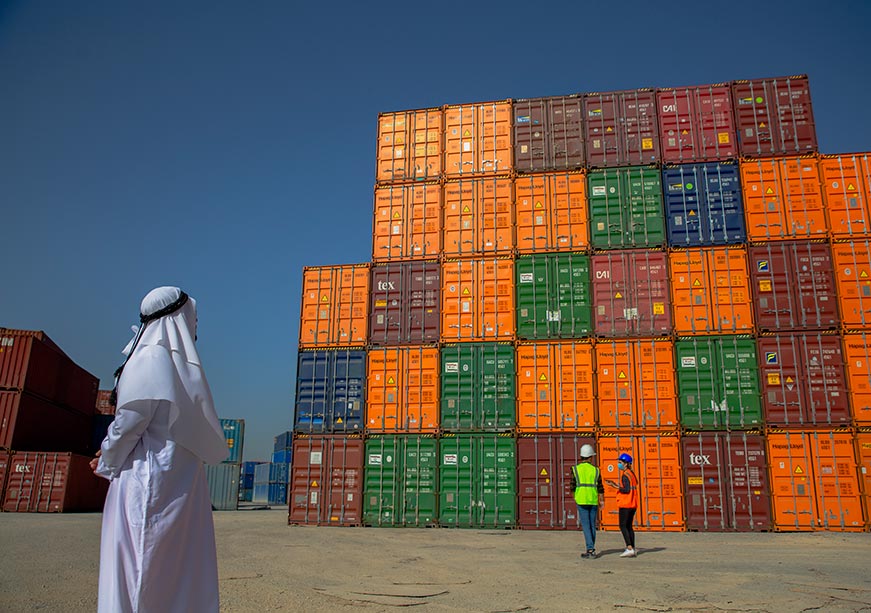
International cargo movement involves several stages, from the moment goods arrive at a port until they reach their final destination. One of the most important stages is terminal handling. It covers the activities carried out at port terminals to receive, move, store, and dispatch cargo. These operations help connect ships, trucks, trains, and warehouses within the wider supply chain.
The way terminal handling is managed can directly affect shipping schedules, cargo safety, transportation costs, and delivery times. Efficient operations allow goods to move through ports with fewer delays. Poor coordination, on the other hand, can create congestion and disrupt international trade.
What Are Terminal Handling Operations?
Terminal handling operations refer to the activities involved in managing cargo within a port or shipping terminal. These activities begin when a vessel arrives and continue until the cargo leaves the terminal by road, rail, or another mode of transport.
For containerized cargo, terminal handling includes unloading containers from vessels, moving them to designated storage areas, arranging containers for collection, and loading export containers onto ships. Terminals also manage documentation checks, equipment allocation, cargo inspections, and coordination with shipping lines.
Different types of cargo require different handling methods. Standard containers are usually moved using specialized cranes and terminal equipment. Bulk cargo, such as grain or minerals, may require conveyors, hoppers, or other handling systems. Heavy and oversized shipments need suitable lifting equipment and careful movement planning.
Each activity must be coordinated to keep cargo moving safely and efficiently.
The Role of Terminal Handling in International Shipping
Ports are important connection points in international trade. Ships transport large quantities of goods between countries, but cargo cannot reach its destination without being transferred through port terminals.
Terminal operations make this transfer possible. When a vessel arrives, terminal staff and equipment are responsible for unloading cargo and moving it to the correct locations. Export cargo follows the reverse process, as containers are received, arranged, and prepared for loading onto vessels.
The speed and accuracy of these activities influence how quickly ships can complete their port calls. If cargo is handled efficiently, vessels can follow their planned schedules more closely. If terminal operations are delayed, ships may have to wait longer before continuing their journeys.
For businesses involved in international trade, these delays can affect production plans, inventory levels, and customer commitments.
How Terminal Handling Affects Cargo Movement Speed
Handling speed is one of the main factors affecting cargo movement through a port. Terminals use cranes, reach stackers, forklifts, transport vehicles, and other equipment to move cargo between vessels and storage areas.
When equipment is available and properly managed, cargo can be transferred without unnecessary waiting. Containers can be unloaded, positioned, and prepared for collection according to the terminal’s operating plan.
However, delays may occur when equipment breaks down, too many vessels arrive at the same time, or terminal resources are not properly allocated. A shortage of handling equipment can slow down unloading and create a backlog of containers.
Efficient scheduling also plays an important role. Terminals need to coordinate vessel operations with container movements and transport arrangements. This helps reduce unnecessary handling and allows cargo to move through the facility more smoothly.
Businesses can explore broader logistics services and international cargo support through:
The Impact of Terminal Congestion on Shipping Schedules
Terminal congestion occurs when the volume of cargo or vessel activity exceeds the terminal’s available handling capacity. It is a common challenge at busy international ports, particularly during peak shipping periods.
When terminals become congested, containers may take longer to unload, store, and release. Trucks may face longer waiting times at terminal gates, while vessels may experience delays before berthing or completing cargo operations.
Congestion can also affect other stages of transportation. A delayed container may miss its planned connecting vessel or onward transport arrangement. This can increase overall transit time, especially when shipments depend on transshipment through another port.
Shipping schedules are closely connected. A delay at one terminal can affect the next port call and create disruptions across several routes. This is why terminal capacity planning and effective cargo coordination are important for maintaining reliable international shipping operations.
How Cargo Storage and Yard Management Influence Movement
After containers are unloaded from a vessel, they are usually transferred to designated storage areas within the terminal. These areas are commonly known as container yards.
Yard management determines where containers are placed and how they are arranged for future movement. Terminals consider factors such as destination, container type, shipping line, collection schedule, and operational requirements when assigning storage locations.
Proper organization makes it easier to locate and retrieve containers when they are needed. It also reduces unnecessary movement within the yard.
Poor yard planning can create additional handling work. For example, a container may need to be moved several times before it can be collected or loaded onto another vessel. These extra movements consume time, use equipment, and may slow down other cargo operations.
Accurate yard records and clear coordination between terminal teams help prevent such problems.
The Importance of Cargo Safety During Terminal Handling
Cargo safety is another major part of terminal operations. Goods may be exposed to risks during lifting, loading, unloading, storage, and internal transportation.
Incorrect lifting methods or unsuitable equipment can damage containers and their contents. Poor stacking practices may also create safety risks, particularly when containers are placed in unstable arrangements.
Terminals must follow appropriate handling procedures based on cargo weight, dimensions, packaging, and special requirements. Heavy machinery, fragile goods, hazardous materials, and temperature-sensitive shipments may require additional precautions.
For example, refrigerated containers need access to suitable power connections to maintain the required temperature. Oversized cargo may need specialized lifting arrangements and sufficient space for safe movement.
Proper safety procedures help protect cargo, workers, equipment, and other shipments within the terminal.
How Documentation and Communication Affect Terminal Operations
Physical cargo handling is only one part of terminal management. Documentation and communication are equally important for ensuring that shipments move without unnecessary interruptions.
Terminals need accurate information about incoming and outgoing cargo. Shipping documents, container details, release instructions, and customs-related information help establish whether cargo can be processed or collected.
If information is incomplete or incorrect, containers may remain on hold until the issue is resolved. This can increase storage time and delay onward transportation.
Communication between shipping lines, freight forwarders, customs authorities, transport companies, and terminal operators helps reduce these problems. Each party needs timely updates about vessel arrivals, container availability, inspection requirements, and cargo release status.
For businesses arranging international shipments, coordinated freight and shipping services can help manage the different stages of cargo movement. Further information about shipping and NVOCC-related operations is available at:
https://nobleline.ae/services/shipping-line-nvocc/
The Effect of Terminal Handling Costs on International Trade
Terminal handling also influences the overall cost of international transportation. Ports charge different fees for services such as loading, unloading, container movement, storage, and other terminal activities.
These charges form part of the total logistics cost paid by importers, exporters, or other parties involved in a shipment, depending on the agreed shipping terms.
Delays can create additional expenses. If containers remain at a terminal beyond the permitted free time, storage charges may apply. Delayed collection or return of equipment can also lead to additional costs under the relevant shipping arrangements.
Businesses therefore need to consider terminal-related expenses when preparing shipping budgets. Understanding the services included in handling charges can help them plan more accurately and avoid unexpected costs.
Efficient terminal operations can reduce unnecessary handling, limit delays, and support better cost management across the supply chain.
The Role of Technology in Improving Terminal Handling
Technology has changed the way modern terminals manage cargo. Digital systems help terminal operators monitor container movements, manage storage locations, and coordinate equipment use.
Terminal operating systems can provide information about container positions, vessel schedules, yard activities, and cargo release status. This helps staff make decisions based on updated operational information.
Automated gates and digital appointment systems can also improve the movement of trucks into and out of terminals. Instead of relying entirely on manual communication, transport companies can receive information about collection arrangements and terminal requirements through digital platforms.
Some ports also use automated cranes, tracking technologies, and data analysis tools to improve operational planning. These systems can help identify delays and make better use of available resources.
Although technology cannot remove every operational challenge, it can improve visibility and support more organized cargo handling.
Why Coordination Between Terminal Operators and Logistics Companies Matters
Terminal handling does not operate separately from the rest of the supply chain. It depends on cooperation between several parties, including shipping lines, freight forwarders, customs agents, transport providers, and cargo owners.
For example, a container may be unloaded on time, but its onward movement can still be delayed if the receiving truck has not been arranged. Similarly, a shipment may be ready for collection but remain at the terminal because the necessary release documents are incomplete.
Good coordination helps ensure that each stage is prepared before the previous one is completed. Transport arrangements can be made in advance, documentation can be checked, and cargo collection can be scheduled according to terminal availability.
Noble Line Logistics LLC operates within the wider international logistics sector, where coordination between shipping and cargo transportation activities is an important part of moving goods across borders.
Conclusion
Terminal handling operations have a direct influence on the speed, safety, and cost of international cargo movement. From unloading vessels and organizing container yards to managing documentation and arranging cargo collection, every activity contributes to the overall shipping process.
Efficient terminal management helps reduce congestion, prevent unnecessary cargo movements, and maintain more reliable shipping schedules. Poor coordination can result in delays, additional charges, and disruptions across international supply chains.
As global trade continues to depend on reliable maritime transportation, well-organized terminal operations will remain essential for moving goods between countries. Businesses that understand these processes can make better shipping arrangements and manage their cargo movements more effectively.
About The Author