



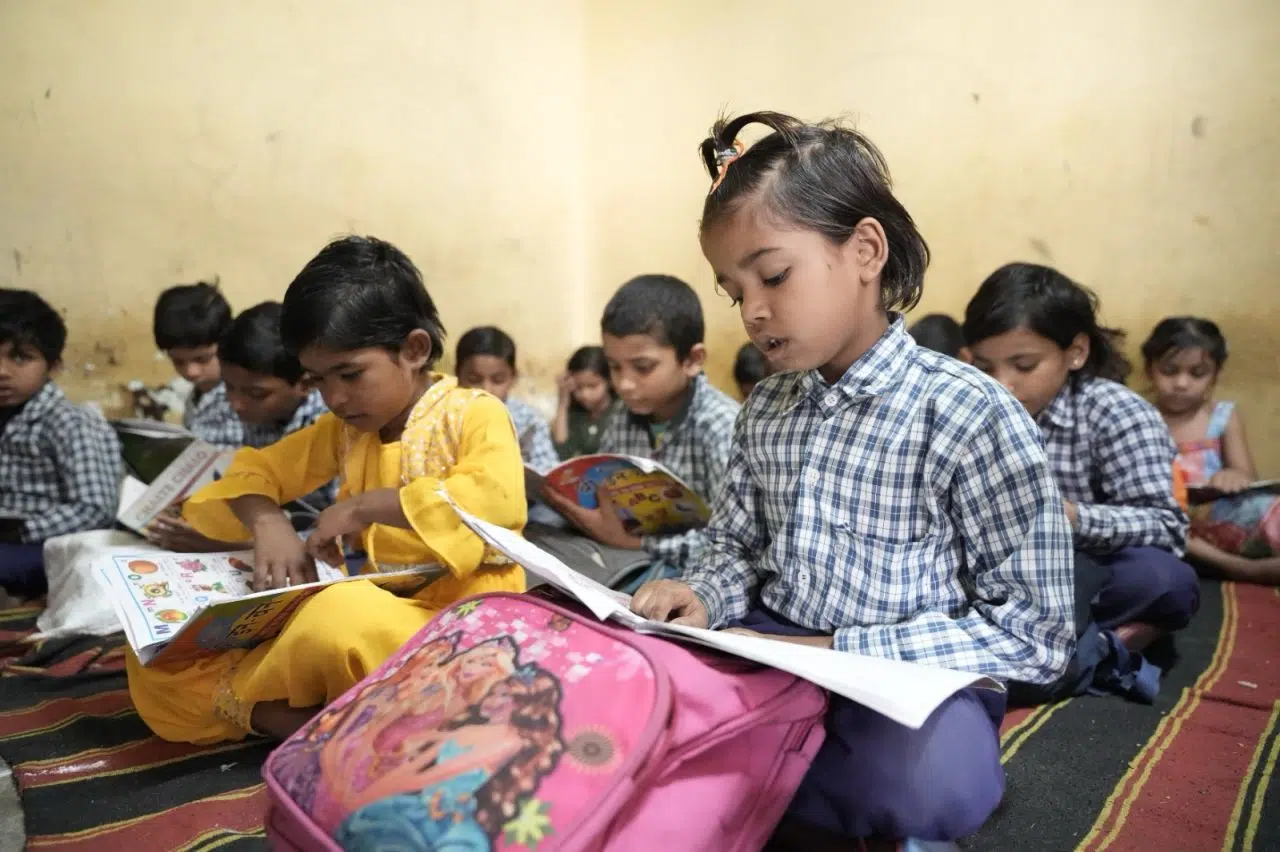
Education is more than a classroom experience. It gives children the confidence to express themselves, the knowledge to make informed decisions and the skills to build independent futures. However, access to quality education remains unequal across many parts of India. Children from economically disadvantaged families often face challenges such as limited learning resources, financial difficulties, inadequate school infrastructure and the risk of dropping out.
Addressing these challenges requires the combined efforts of schools, families, communities, government institutions and nonprofit organisations. An education NGO in India can play an important role in making learning opportunities more accessible and inclusive.
Why Do Children in Underserved Communities Need Educational Support?
Many children experience barriers that go beyond school admission. Some struggle with foundational literacy and numeracy, while others lack access to digital devices, trained teachers or a supportive learning environment.
When children cannot continue their education, their future opportunities become limited. Quality education helps them develop communication, problem-solving and critical-thinking abilities. It also protects children from several social vulnerabilities by providing a structured and supportive environment.
Organisations working in child education programmes therefore focus on both school access and the overall development of young learners.
How Are Education NGOs Improving Learning Opportunities?
Education-focused nonprofits work directly with communities to identify learning gaps and develop practical solutions. Their initiatives may include supplementary education, digital learning, teacher training, life skills and parental awareness.
Smile Foundation India works towards improving access to education for children from underserved communities through its education initiatives.
Its approach recognises that children’s development involves more than academic performance. A supportive learning environment, community involvement and opportunities for personal growth are equally important.
Explore Smile Foundation’s education programmes to understand its work towards expanding educational opportunities.
What Is the Role of Digital Learning in Children’s Education?
Digital technology is changing how children access information and develop new skills. Interactive learning applications, digital classrooms and educational videos can make difficult subjects easier to understand.
However, the digital divide remains a concern. Many children do not have access to reliable internet connections, computers or smartphones.
Education initiatives that introduce technology alongside traditional classroom teaching can help bridge this gap. Digital literacy also prepares children for a future where technological knowledge is increasingly important.
The objective should be to use technology as a learning tool rather than allowing it to replace teachers and meaningful classroom interaction.
Why Is Community Participation Important in School Education?
A child’s educational journey is influenced by the environment at home and within the community. Parents who understand the importance of regular attendance and continued learning can encourage children to remain connected with school.
Community participation also helps identify children who are at risk of dropping out. Teachers, local leaders and social organisations can work together to address learning difficulties and create awareness about children’s educational rights.
Smile Foundation’s Shiksha Na Ruke initiative focuses on helping children from challenging circumstances continue their education. Its education centres also emphasise the involvement of teachers, parents, caregivers and communities.
People interested in supporting educational opportunities can learn more about the Shiksha Na Ruke educational support initiative.
How Can Quality Education Contribute to a Better Society?
Education creates benefits that extend beyond individual students. Educated children are better equipped to participate in society, explore employment opportunities and make informed choices.
For girls, continued education can contribute to greater independence and improved participation in social and economic activities. For boys and girls alike, learning can encourage equality, respect and responsible citizenship.
Investment in quality education for underprivileged children therefore contributes to stronger families and more resilient communities.
Frequently Asked Questions About Child Education Initiatives
1. What does an education NGO do in India?
An education NGO works to improve learning opportunities through educational programmes, community awareness, digital learning, teacher support and initiatives that help children continue their studies.
2. Why is education important for underprivileged children?
Education develops essential knowledge, confidence and practical skills. It also creates opportunities for better employment and helps children participate more actively in society.
3. How can NGOs help prevent school dropouts?
NGOs can identify children at risk, work with their families, provide learning support and create awareness about the importance of continued education.
4. What is the importance of digital education for children?
Digital education introduces children to technology, interactive learning and online resources. It can improve engagement and help develop digital literacy.
5. How can parents support children’s education?
Parents can encourage regular school attendance, create time for learning at home, communicate with teachers and motivate children to continue their studies.
6. How can individuals support educational initiatives in India?
Individuals can volunteer their time, mentor students, share educational resources, participate in awareness activities and engage with credible organisations working in education.
Conclusion
Every child deserves an opportunity to learn, develop confidence and build a promising future. Achieving this goal requires accessible learning resources, community participation and long-term commitment from different stakeholders.
Through its education initiatives, Smile Foundation India continues to work towards making learning opportunities accessible to children from underserved communities. Strengthening educational access today can help create a more informed, capable and inclusive India tomorrow.
About The Author