


The residential real estate landscape across Delhi NCR is witnessing a gradual shift in how homes are planned, presented and evaluated. Property decisions are no longer driven solely by location, apartment size or floor plans. Buyers are increasingly paying attention to how a development supports their daily routines, personal well-being, convenience and long-term living standards.
This changing outlook is encouraging developers to look beyond conventional construction priorities and create residential environments where comfort, accessibility, open spaces and community experiences hold greater importance.
Delhi NCR Housing Market Reflects Changing Homebuyer Priorities
The changing approach to residential development is taking shape against a significant market backdrop. According to JLL’s Q2 2026 residential report, Delhi NCR recorded 10,021 residential sales during the quarter. Gurugram represented 43% of the transactions, with considerable activity across Dwarka Expressway, Golf Course Extension Road and New Gurgaon. Noida accounted for another 36% of the sales.
The report also recorded average residential capital values at ₹8,333 per sq. ft., marking a 9.4% year-on-year increase. This growth came despite a 9% moderation in sales volumes, indicating that property values continued to strengthen even as transaction activity slowed.
These market developments highlight the importance of understanding what buyers expect from residential projects. Alongside location and pricing, factors such as wellness, functional design, connectivity and the overall quality of the residential environment are becoming increasingly relevant.
Wellness and Functional Design Gain Importance in Noida’s Residential Market
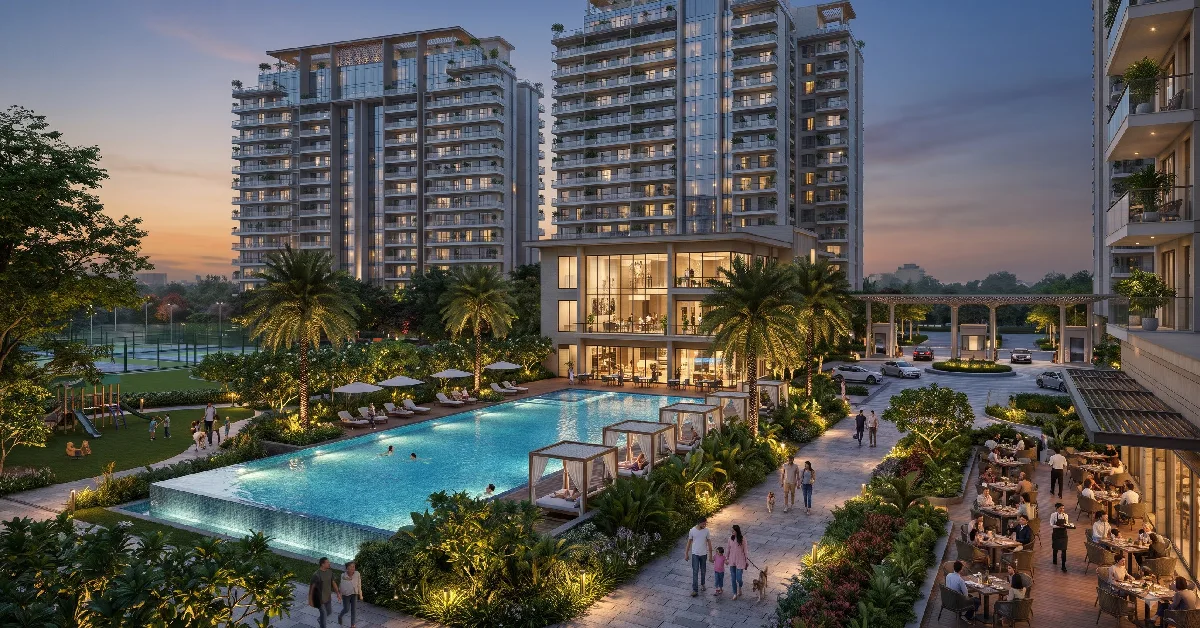
Homebuyers are placing greater emphasis on the everyday experience a residential property can offer. Access to natural daylight, proper ventilation, usable green spaces and areas for outdoor activities are becoming important considerations in the evaluation of modern homes.
Discussing this change in buyer expectations along the Noida Expressway and in Sector 150, Prateek Tiwari, Managing Director of Prateek Group, highlighted the growing importance of integrating wellness into residential planning.
He explained that the value of a home should be assessed through the way its design supports everyday family life. Rather than treating green spaces and wellness facilities as additional attractions, developers should incorporate them into the core planning of a project. According to him, natural light, ventilation and accessible outdoor spaces can contribute to a more comfortable residential experience.
For emerging residential destinations such as Sector 150 and the Noida Expressway corridor, this approach presents an opportunity to create developments where the quality of daily living becomes an important measure of value.
Connectivity and Community Planning Shape Gurugram’s Housing Demand
In Gurugram, accessibility remains a significant factor influencing residential choices. Locations along Dwarka Expressway, Southern Peripheral Road (SPR) and New Gurgaon are drawing attention because connectivity to workplaces, educational institutions, healthcare facilities and shopping destinations can directly influence residents’ daily schedules.
Ashwani Kumari of Pyramid Infratech emphasised that residential convenience should be measured by the time and effort families save through better access to essential destinations. She also pointed to the importance of shared facilities and common spaces in encouraging interaction among residents and developing a stronger neighbourhood environment.
According to her, successful residential planning does not necessarily depend on offering an extensive list of amenities. Instead, projects should prioritise facilities that serve residents across different age groups and lifestyles. Transparent maintenance costs and manageable operational expenses are equally important for ensuring that these facilities remain useful over time.
Everyday Accessibility and Sustainable Maintenance Define Better Residential Experiences
The long-term appeal of a residential development depends on how effectively its planning translates into everyday convenience. Easy access to essential services, practical shared spaces and well-managed facilities can make a meaningful difference to residents after possession.
For developers, the challenge is to balance lifestyle-oriented features with operational efficiency. Residential projects need facilities that are not only attractive during the sales process but also practical to maintain and use throughout their lifecycle.
Luxury Housing Moves Towards Quality, Privacy and Practical Technology
The expectations surrounding premium residential properties are also evolving. Luxury is increasingly being evaluated through the quality of construction, thoughtful layouts, privacy and the reliability of services rather than simply the number of premium amenities offered within a project.
Sharing his perspective on execution standards in luxury housing, Mohit Gawri, Vice President of Rise Infraventures Limited, noted that premium homes must deliver lasting value beyond their initial appeal. He highlighted the importance of well-designed layouts, dependable services, privacy and technology that addresses practical residential needs.
Features such as smart access systems, energy-efficient lighting and responsive maintenance services can improve the ownership experience when implemented effectively. However, their value ultimately depends on the quality of execution and how seamlessly they fit into residents’ everyday lives.
The broader shift in NCR’s residential market points towards a more experience-driven approach to real estate development. As buyer expectations continue to evolve, developers will need to balance location advantages with functional design, wellness, connectivity and consistent service quality. The homes that stand out will increasingly be those that offer more than physical space and contribute meaningfully to the way people live.
About The Author