





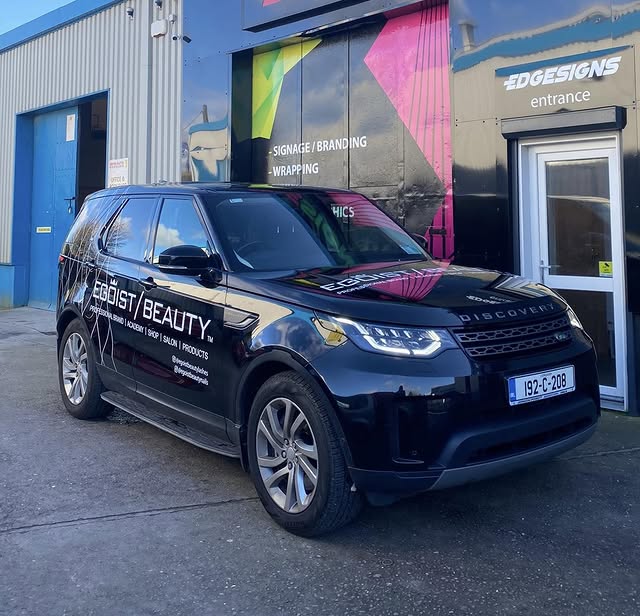
Ask ten tradesmen why their van looks the way it does and nine will shrug. It just happened. A mate did the lettering, somebody stuck a magnet on the door, and a few years later no two vehicles in the yard matched. That’s the thing about fleet branding, it’s rarely planned, and that’s exactly where the money leaks out. People assume it’s for big haulage firms with a whole design department behind them. It isn’t. This post covers what it actually means, what you’ll pay, the mistakes that waste the spend, and whether it earns its keep or just eats into your margins.
What Does Fleet Branding Actually Involve?
Basically every vehicle you run carries the same look. Colours, logo, font, phone number, all in the same spot so people clock it straight away. Doesn’t matter if it’s two vans or forty. The bit people get wrong is thinking one vehicle is too small to bother with, and it’s not, one good looking van gets looked at. Add a second and folks start to remember you, add a third and they figure you’re a big outfit, whether you are or not. Customers decide fast, honestly. Clean, matching company vehicles tell them you’re organised and you’ll show up when you said you would.
Do Branded Vehicles Really Pull In Work?
Short answer, yes, but it’s not a switch you flick. Nobody sees your van and dials the number on the spot. It’s slower than that. They see it outside a neighbour’s house on Monday, behind them at the lights on Wednesday, in the supermarket car park on Friday, and when their gutter finally starts leaking they remember the name. That repeat exposure is the whole value. Compare it with a leaflet that goes straight in the recycling or a social post buried within the hour. You pay for the graphics once, they work every single day, and there’s no monthly bill hanging over you. Cheap by any standard, even if the big impression figures people quote get exaggerated a bit.
Wraps, Vinyl Lettering or a Respray: What Fits?
There are three routes really. A respray is the old school way, permanent, dear, and a pain when you sell the vehicle or change your logo. Cut vinyl lettering is cheaper and fine for a name and number on the doors, not much else though. Then you’ve got the full or part wrap, printed film stuck over the panels, which handles photos, colour fades, pretty much anything you throw at it. It also shields the paint underneath, so resale doesn’t suffer. Most small firms go with a part wrap, doors and back, and upgrade later if it’s working. Neither choice is wrong, it just depends on what you want to see and what’s in the account this month, not next year.
Car Wrapping Cork: Things Worth Checking First
Anyone looking at car wrapping cork options should do a bit of homework, not just accept whichever quote lands first. Cork is a busy place for trade, plumbers, couriers, taxis, food vans, all competing on the same roads, so a van that looks sharp really does stand out. A local installer will know the area, know how our damp weather treats vinyl, and can usually turn a job around quickly so you’re not without your van for a week. Ask to see finished work. Ask which film they use. Ask who actually does the fitting, because the fitter matters as much as the material, and a decent shop won’t mind you asking.
How Long Does a Vehicle Wrap Vinyl Hold Up?
A good quality film, fitted properly, usually gives you five to seven years. Sometimes longer, sometimes not. Irish weather isn’t kind to it though. Rain, road salt in winter, a blast of strong sun in July, it all wears the surface down bit by bit. Roofs and bonnets get hit worse because they face the sky, while doors and sides last longer. How you wash it counts for more than people think. Those rough brush washes at cheap forecourts can lift the edges and leave the finish dull. Hand wash it, or go touchless. Treat it like decent paintwork and it should outlast the van’s next couple of services, maybe more.
Design Slip-Ups That Waste Your Spend
Cramming, that’s the big one. Logo, slogan, six services, three numbers, an email address, a QR code nobody can scan at fifty kilometres an hour. Too much, all of it. Stick to your name, what you do, and one way to reach you. Big letters, strong contrast, dark on light or the other way round, and skip the fancy fonts that look great on a laptop and vanish from ten metres away. Don’t forget the back doors either. Loads of people sit behind a van for ages in traffic, so give them something to read other than dirt. And keep the phone number large. If they can’t read it, the whole wrap was for nothing.
What Should You Budget, and Can You Do It in Stages?
Prices swing a lot. Simple door decals might be a couple of hundred euro, while a full wrap on a medium van can reach the low thousands depending on size, design and film. If you’ve got several vehicles, ask about a fleet rate, they’re often cheaper per van. Don’t grab the lowest quote though. Cheap vinyl bubbles and peels, then you’re paying twice, which is the opposite of saving. You also don’t have to do everything in one go. Plenty of owners start with the newest or most visible van, lock in one template, keep the artwork files safe, and add vehicles as cash allows. Just don’t let the designs drift apart over time.
Final Word: Money Maker or Money Pit?
Nobody has to wrap a vehicle. But you’re paying to run them anyway, so you might as well get something back from every kilometre. Properly done fleet branding builds recognition, makes a small firm look established, and costs less than most advertising over the long run. One van or a dozen, same rules apply. Keep it clear, keep it consistent, don’t cheap out on materials. And if you’re in the south, take a proper look at car wrapping cork installers, compare a few, and see real jobs before you commit. Do it right the first time and it keeps paying you back for years.
About The Author