





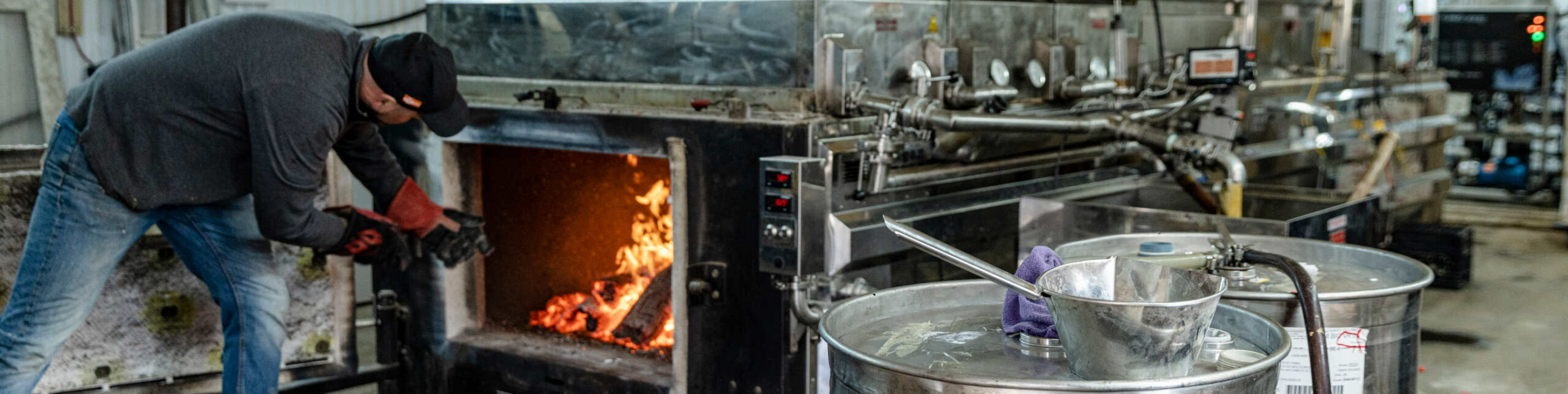
For many people, maple syrup begins at the breakfast table, but its journey starts much earlier in a forest filled with mature maple trees. A modern maple syrup factory brings together traditional tapping methods, careful sap collection, controlled evaporation, filtration, and quality testing to turn clear tree sap into the rich syrup people know. Understanding this process helps explain why production requires both patience and precision.
Unlike many food products that can be manufactured year-round, maple syrup production is strongly tied to weather conditions. Producers have a relatively short seasonal window when temperatures fluctuate above and below freezing. During this period, the sap must be collected efficiently and processed quickly to preserve its quality. Even small decisions involving sanitation, temperature, and storage can affect the final product.
How a Maple Syrup Factory Turns Sap Into Syrup
Maple syrup production may look simple from the outside, but commercial operations rely on a carefully coordinated series of steps. The basic process involves collecting sap from maple trees, removing excess water through evaporation, filtering the concentrated syrup, and packaging the finished product.
The process starts with suitable maple trees, particularly sugar maple and red maple varieties. Trees are typically tapped when daytime temperatures rise above freezing while nighttime temperatures remain below it. These temperature changes create pressure differences inside the tree that allow sap to flow through a tap.
The collected sap is mostly water. Only a small percentage consists of natural sugar, which means producers must remove a substantial amount of water before the liquid reaches syrup concentration.
A useful example is a producer starting with 100 gallons of sap containing approximately 2% sugar. The final quantity of syrup will be much smaller because most of the original water must be removed. The exact yield varies depending on the sugar content of the sap.
Step-by-Step Maple Syrup Production
1. Selecting and Preparing the Trees
Production begins with healthy, mature maple trees. Producers evaluate tree size, health, accessibility, and overall suitability before installing taps.
Modern operations may use tubing systems that connect multiple trees to collection lines. Vacuum systems can also help improve sap collection efficiency under appropriate conditions.
Proper tapping matters. A damaged or poorly positioned tap can reduce productivity or unnecessarily stress a tree. Experienced producers also follow recommended tapping practices based on tree diameter and local forestry guidance.
2. Collecting Fresh Sap
Once temperatures create favorable conditions, sap begins moving through the collection system. Smaller operations may use buckets, while larger producers commonly use tubing connected to collection tanks.
Fresh sap should be kept as clean and cool as reasonably possible. Leaves, bark, insects, and other contaminants can create sanitation problems and complicate later processing.
For example, if sap sits warm for an extended period before processing, microorganisms can begin multiplying and the sap may develop undesirable flavors. Efficient collection schedules and properly maintained equipment therefore play an important role in product quality.
3. Filtering and Preparing the Sap
Before evaporation, producers may filter the collected sap to remove physical debris. Some operations also use equipment designed to reduce the amount of water that must be boiled.
Reverse osmosis systems, for example, can remove a significant portion of water from sap before it reaches the evaporator. This can reduce boiling time and energy requirements.
The equipment used depends heavily on production volume. A small farm operation may rely primarily on an evaporator, while a larger facility may combine filtration, reverse osmosis, automated controls, and high-capacity evaporation equipment.
4. Evaporating the Water
Evaporation is one of the most important stages in syrup production.
The sap enters an evaporator where heat causes water to boil away. As the water is removed, the natural sugar concentration increases. Producers monitor the process carefully because the syrup must reach the appropriate concentration without becoming excessively dark, thick, or overheated.
This is where practical experience becomes particularly valuable. Operators watch temperature, flow, color, and other characteristics rather than simply leaving the equipment unattended.
Maple syrup is generally finished at about 66° to 68.9° Brix under the U.S. grading framework. Producers use appropriate instruments and established standards to verify that the finished syrup has the correct concentration.
5. Filtering the Finished Syrup
After evaporation, hot syrup is filtered to remove sugar sand and other fine particles that naturally develop during boiling.
Sugar sand is not necessarily a sign of poor-quality sap. It consists primarily of mineral and other compounds that become concentrated during evaporation. However, consumers generally expect bottled syrup to have a clear appearance, so filtering is an important finishing step.
The filtration system needs to be clean and properly maintained. A filter that becomes overloaded can slow production and potentially affect the appearance of the finished syrup.
6. Grading, Packaging, and Storage
Once the syrup reaches the appropriate concentration and has been filtered, producers evaluate its color, flavor, and quality according to applicable grading standards.
Maple syrup can range from lighter golden colors to darker shades with stronger flavors. Darker syrup is often preferred for cooking because its more pronounced maple character works well in sauces, baked goods, glazes, and marinades.
Packaging is another critical stage. Containers must be clean and suitable for food use, while filling temperatures and sealing procedures should follow the producer’s established food-safety practices.
Common Challenges in Maple Syrup Production
Weather is one of the biggest variables. A warm spell can trigger a strong sap run, while an extended cold period can temporarily stop production. If temperatures rise too quickly, producers may have only a limited period to collect and process sap.
Sanitation is another major challenge. Sap is a perishable agricultural product, so collection tanks, tubing, filters, and processing equipment need regular cleaning.
Energy consumption can also become significant because conventional evaporation requires substantial heat. Producers increasingly look for ways to improve efficiency through reverse osmosis, improved evaporator designs, heat recovery, and better insulation.
Equipment maintenance should not be overlooked either. A small leak in tubing, a blocked filter, or an improperly functioning vacuum system can reduce collection efficiency during a short production season.
Practical Tips From the Production Floor
Anyone evaluating maple syrup production should pay close attention to a few fundamentals.
Keep sap moving. Processing fresh sap promptly generally makes it easier to maintain desirable quality.
Prioritize cleanliness. Build cleaning procedures into daily operations rather than treating sanitation as an occasional task.
Monitor concentration carefully. Guessing when syrup is finished can lead to inconsistent results. Use properly maintained measuring equipment and follow recognized standards.
Track production data. Recording sap volume, sugar concentration, boiling time, weather conditions, and finished syrup yield can reveal useful patterns from one season to the next.
Maintain equipment before the season begins. Checking tubing, pumps, tanks, filters, evaporators, and measuring instruments before the first major sap run can prevent expensive interruptions.
Understand your market. Producers who sell primarily table syrup may focus on consistent flavor and appearance, while those supplying bakeries or restaurants may have different requirements.
Common Mistakes to Avoid
One frequent mistake is assuming that more heat automatically means faster production. Excessive heat can create quality problems and make concentration harder to control.
Another is neglecting storage conditions. Finished syrup should be stored according to applicable food-safety and packaging requirements. Improper storage can undermine the quality achieved during processing.
Producers should also avoid treating every batch of sap identically. Sugar concentration naturally varies throughout the season, so processing conditions and expected yield can change.
Finally, equipment should not be selected solely according to its maximum capacity. A system that is too large for the available sap supply can be inefficient, while undersized equipment can create bottlenecks during peak runs.
Expert Recommendations for Better Efficiency
A successful syrup operation is essentially a balance between forestry, food processing, equipment management, and seasonal timing.
Start by understanding the available maple resource and expected sap volume. Then design collection and processing capacity around realistic production levels rather than optimistic estimates.
For established operations, reviewing historical records can identify opportunities for improvement. If one season consistently shows long boiling times, for example, the producer can investigate whether better sap concentration, improved heat transfer, or equipment upgrades would make a meaningful difference.
Most importantly, consistency should be treated as a production goal. A high-quality maple syrup operation does not simply produce syrup; it creates a repeatable process that delivers safe, properly concentrated, clean-tasting syrup from season to season.
Conclusion
A maple syrup factory combines a natural seasonal process with careful food production practices. From selecting and tapping trees to collecting sap, removing water, filtering, grading, and packaging, every stage influences the final product.
The most effective producers focus on cleanliness, efficient sap handling, accurate concentration control, equipment maintenance, and detailed production records. While the basic concept of maple syrup production is straightforward, mastering the details is what separates a dependable operation from an inconsistent one.
About The Author