


Ever looked down at that tattoo you got years ago and thought, “What was I thinking?” Perhaps your ex’s name seemed like a good idea at the time, or maybe that tribal design from your twenties no longer reflects who you are today. You’re definitely not alone in this. Have you been wondering if tattoo removal is right for you? What does the process actually involve, and is it worth the investment?
Tattoo removal has become increasingly popular across Australia, with thousands of people each year deciding to part ways with their ink. Whether it’s a career change, a shift in personal taste, or simply wanting a fresh start, the reasons are as varied as the tattoos themselves. The good news is that technology has come a long way, making removal safer and more effective than ever before.
In this guide, we’ll walk you through everything you need to know before starting your tattoo removal journey. From understanding how the process works to managing expectations about results, we’ve got you covered. You’ll learn about costs, pain levels, aftercare, and how to choose the right clinic. By the end, you’ll feel confident and prepared to take that first step towards clear skin.
Understanding Tattoo Removal: The Basics
How Does Laser Tattoo Removal Work?
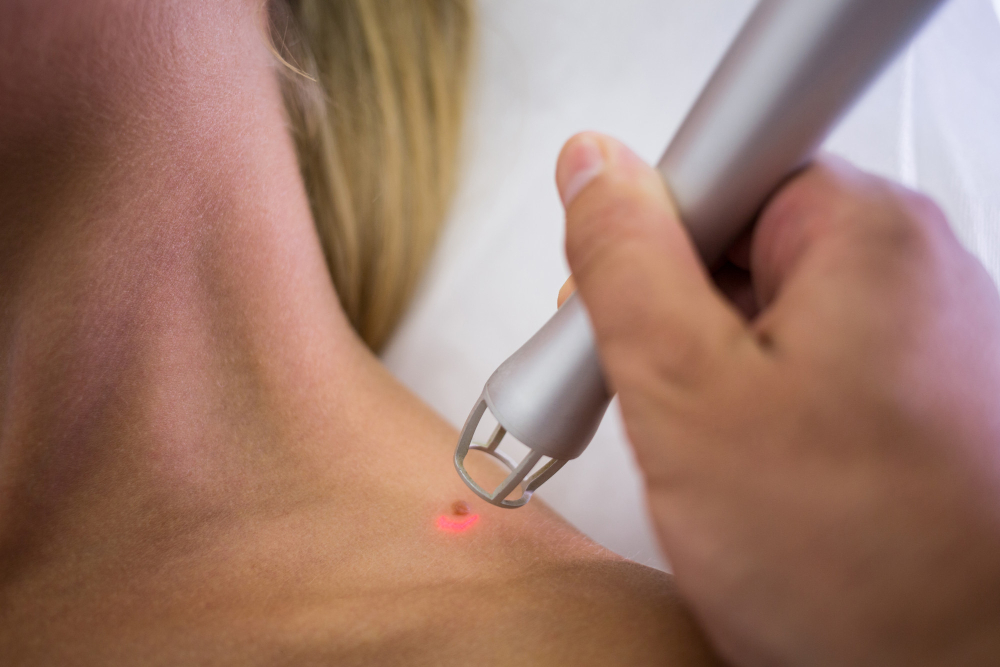
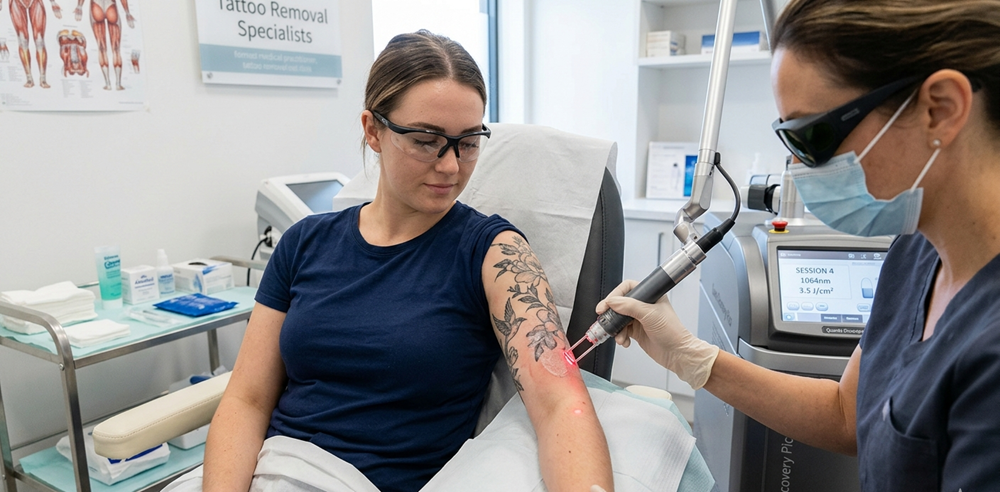
Laser tattoo removal might sound like something from a sci-fi film, but the science behind it is actually quite straightforward. The laser emits short pulses of intense light that penetrate the skin and target the tattoo ink particles beneath the surface. These light pulses break the ink into tiny fragments, which your body’s immune system then naturally flushes away over time.
Different lasers work on different ink colours. Q-switched lasers and picosecond lasers are the most commonly used technologies today. Picosecond lasers are particularly effective because they deliver energy in shorter bursts, breaking down ink more efficiently with less heat damage to surrounding tissue.
What Are the Different Types of Tattoo Removal Methods?
While laser removal is the gold standard, other methods exist. Dermabrasion involves sanding away the skin’s top layers, though it’s less precise and can cause scarring. Surgical excision cuts out the tattooed skin entirely—only suitable for small tattoos. Chemical peels and tattoo removal creams are also marketed, but their effectiveness is questionable at best.
For most people, laser treatment offers the safest and most reliable results. It’s the method recommended by dermatologists and skin specialists across Australia.
Is Tattoo Removal Safe?
When performed by qualified professionals using proper equipment, tattoo removal is generally safe. Side effects are usually temporary and might include redness, swelling, blistering, or temporary skin discolouration. Serious complications are rare but can occur if treatments are performed incorrectly or if aftercare instructions aren’t followed.
Am I a Good Candidate for Tattoo Removal?
Skin Types and Tattoo Removal Success
Your skin type plays a significant role in how successful removal will be. People with lighter skin tones typically see better results because there’s greater contrast between the skin and the ink, allowing the laser to target the pigment more precisely. However, advances in laser technology mean that darker skin tones can also achieve good outcomes with the right approach and equipment.
Does Tattoo Colour Affect Removal?
Absolutely. Black and dark blue inks respond best to laser treatment because they absorb all light wavelengths. Lighter colours like yellow, green, and fluorescent inks are trickier to remove and may require more sessions or specialised lasers. Multi-coloured tattoos often need different laser wavelengths throughout the treatment process.
How Old Does a Tattoo Need to Be for Removal?
There’s no minimum age requirement for a tattoo before removal can begin. However, newer tattoos tend to have more vibrant ink, which can actually make them easier to treat initially. Older, faded tattoos have already begun breaking down naturally, so they may require fewer sessions overall.
What to Expect During Your First Consultation?
Questions to Ask Your Tattoo Removal Specialist
Your initial consultation is crucial. Come prepared with questions:
- What type of laser technology do you use?
- How many sessions do you estimate I’ll need?
- What qualifications and experience do you have?
- Can I see before and after photos of previous clients?
- What are the potential risks specific to my skin type?
A reputable specialist will give honest answers and set realistic expectations rather than promising complete removal in just a few sessions.
How to Choose a Reputable Clinic in Australia
Look for clinics with qualified practitioners—ideally registered nurses, dermatologists, or trained laser technicians. Check online reviews and ask for recommendations. The clinic should be clean, professional, and willing to answer all your questions without pressure. Don’t be swayed by the cheapest option; quality and safety should always come first.
How Many Sessions Will I Need?
Factors That Influence the Number of Treatment
Most tattoos require between 6 to 12 sessions for significant fading or removal. Several factors influence this:
- Size and location: Larger tattoos and those on extremities (hands, feet) typically need more sessions
- Ink quality and depth: Professional tattoos often have deeper, denser ink than amateur ones
- Your immune system: A healthy immune system clears ink particles more efficiently
- Colours used: As mentioned, some colours are more stubborn than others
How Long Should I Wait Between Sessions?
Patience is key here. Most clinics recommend waiting 6 to 8 weeks between sessions. This gives your body time to flush out the broken-down ink particles and allows your skin to heal properly. Rushing the process won’t speed up results—it’ll only increase your risk of complications.
Does Tattoo Removal Hurt?
Pain Management Options During Treatment
Let’s be honest—tattoo removal isn’t painless. Most people describe the sensation as similar to a rubber band snapping against the skin repeatedly, or like hot oil splashes. However, clinics offer various pain management options:
- Topical numbing creams applied before treatment
- Cooling devices used during the session
- Local anaesthetic injections for larger or more sensitive areas
Comparing Pain Levels: Tattoo Removal vs Getting a Tattoo
Interestingly, many people find removal more uncomfortable than getting the original tattoo. The good news? Each session is relatively quick—often just a few minutes for smaller tattoos. It’s intense but brief.
Tattoo Removal Cost: What Should You Budget?
Are Payment Plans Available?
Many Australian clinics offer payment plans or package deals to make treatment more accessible. Ask about these options during your consultation. Some clinics also offer discounts for purchasing multiple sessions upfront.
Aftercare and Recovery
How to Care for Your Skin After Laser Treatment?
Proper aftercare is essential for optimal results:
- Keep the area clean and dry
- Apply prescribed healing ointments
- Avoid sun exposure and always use sunscreen
- Don’t pick at scabs or blisters
- Wear loose clothing over the treated area
What Are the Possible Side Effects of Tattoo Removal?
Common side effects include redness, swelling, blistering, and temporary darkening or lightening of the skin. These typically resolve within a few weeks. More serious but rare complications include scarring, infection, and permanent skin texture changes.
Can Tattoo Removal Completely Remove a Tattoo?
Realistic Expectations and Results
Complete removal is possible for many tattoos, but it’s not guaranteed. Some tattoos fade by 90-95%, leaving only a faint shadow. Setting realistic expectations from the start will help you feel satisfied with your results.
Why Some Tattoos Are Harder to Remove Than Others?
Location matters—tattoos closer to your heart benefit from better circulation, aiding ink clearance. Cover-up tattoos with layered ink, certain colours, and amateur tattoos with irregular ink depth all present additional challenges.
Preparing for Your Tattoo Removal Journey
Tips for Best Results Before Starting Treatment
- Stay hydrated and maintain a healthy lifestyle
- Avoid sun exposure on the tattooed area
- Quit smoking if possible—it slows healing
- Shave the area before your appointment
Common Mistakes to Avoid
Don’t tan before treatments, skip sessions, ignore aftercare instructions, or choose a clinic based solely on price. These mistakes can compromise your results and even cause complications.
Taking the First Step Towards Clear Skin
Embarking on your tattoo removal journey is a significant decision, but you’re now armed with the knowledge to make informed choices. From understanding how laser technology breaks down ink to knowing what questions to ask your specialist, you’ve covered the essentials.
Remember, patience is your greatest ally in this process. Results don’t happen overnight, and that’s perfectly normal. The key is finding a reputable clinic, following aftercare instructions diligently, and maintaining realistic expectations throughout your treatment.
So, are you ready to say goodbye to that unwanted ink? Take your time, do your research, and when you’re ready, book that consultation. Your journey to clearer skin starts with a single step—and now you know exactly what to expect along the way. Good luck!
About The Author