






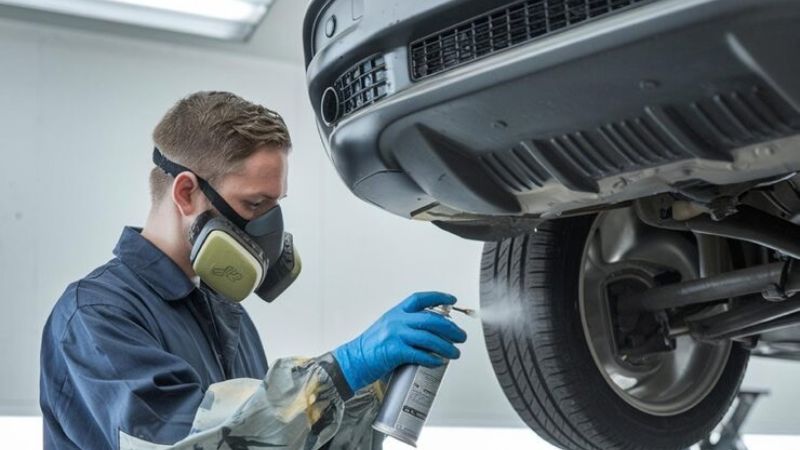
Your car’s paintwork faces plenty of contamination every day. Road dust, dirt, brake residue, tree sap, bird droppings, tar and industrial fallout can gradually build up on the surface. Even when your car looks clean after a regular wash, contaminants can remain attached to the paint.
If you are planning professional paint protection, proper preparation is important. Protection products need a clean and properly prepared surface to achieve a consistent finish. Simply washing the vehicle and applying a protective product may leave behind contamination that affects the final result.
So, how should you prepare your vehicle before professional paint protection? Here are seven practical steps that can help Perth car owners understand the process.
1. Why Should You Inspect the Paint Before Cleaning?
Before any cleaning begins, take a close look at the vehicle’s exterior. Inspect the bonnet, roof, doors, guards, boot and other painted panels for visible dirt, stains, water spots, scratches and surface contamination.
Pay particular attention to areas that collect more road grime, such as lower doors, wheel arches and the rear of the vehicle. You may also notice rough or gritty areas when gently running your clean fingertips over the paint after the vehicle has been washed and dried.
This initial inspection helps identify areas that may require additional attention. It also gives a professional detailer a better understanding of the condition of the paint before starting preparation.
2. Should You Start With a Thorough Car Wash?
Yes. Washing is one of the first important preparation steps because loose dirt needs to be removed before more detailed paint cleaning begins.
Use a suitable automotive wash process rather than household cleaning products. A proper wash should remove loose dust, mud, road film and other surface debris while reducing the risk of adding unnecessary marks to the paint.
Pay attention to the wheels, tyres, lower panels and other heavily contaminated areas. These areas can transfer dirt back onto the painted surfaces if they are not cleaned properly.
For Perth drivers, regular washing can be particularly useful because vehicles are exposed to dust, road grime and environmental contaminants. However, washing alone does not remove every contaminant bonded to the paint.
3. What Contaminants Can Remain After Washing?
A vehicle can look clean and still have contamination attached to its paint.
Common examples include tree sap, tar, industrial fallout, fine brake dust and other particles that become bonded to the surface. These contaminants can make the paint feel rough even after a careful wash.
This is where clay block car detailing can become an important part of paint preparation. A clay block treatment is designed to help remove bonded surface contamination that normal washing may leave behind.
The purpose is not simply to make the car look clean. It is to prepare the painted surface so the next stage of professional detailing can be performed on a cleaner and more consistent surface.
4. How Does a Clay Block Treatment Prepare the Paint?
A clay block is used with suitable lubrication and controlled movements across the exterior surface. The process helps lift contaminants that remain bonded to the paint.
Professional clay block services in Perth can be useful when a vehicle feels rough or contaminated despite being regularly washed. The treatment can be particularly relevant before paint protection because contamination left on the surface can interfere with subsequent detailing work.
It is important not to treat clay block work as an aggressive scrubbing process. The vehicle needs suitable preparation, lubrication and careful technique. Applying excessive pressure or using an unsuitable product can potentially create unnecessary surface marks.
For this reason, many owners choose professional detailing assistance when extensive paint decontamination is required.
5. When Is a Whole-Car Clay Block Treatment Appropriate?
Some vehicles have contamination across several panels rather than one isolated area. In these cases, a whole car clay block in Perth can provide a more consistent preparation approach.
A whole-car treatment can involve checking and treating painted panels across the vehicle rather than concentrating only on the bonnet or another visible section.
The exact preparation required depends on the vehicle’s condition. A newer vehicle may have different contamination from a car that has spent years exposed to road conditions, outdoor parking and environmental fallout.
An experienced detailer can inspect the paint and determine whether targeted treatment or broader decontamination is appropriate.
6. Does the Paint Need Another Inspection After Decontamination?
Yes. After the washing and decontamination stages, the surface should be inspected again.
The paint should be checked for remaining contamination, visible marks, water spots and other conditions that could affect the next detailing stage. This is also a useful point to identify areas that may require additional paint correction or specialist attention.
Professional Auto Detailing Services generally involve more than simply cleaning the exterior. Proper preparation requires attention to the condition of the surface and the requirements of the protection process that follows.
If deeper scratches, oxidation or paint defects are identified, speak with the detailing professional before proceeding. Paint protection is not necessarily designed to correct every existing paint defect, so understanding the surface condition beforehand is important.
7. How Should You Finish the Preparation Before Protection?
Once the paint has been properly cleaned and decontaminated, the vehicle should be prepared according to the requirements of the chosen protection process.
This can include ensuring the surface is free from remaining dirt, residue and contaminants. The vehicle should also be dried carefully, with particular attention to trims, panel gaps, mirrors and other areas where water can remain trapped.
If you are taking your vehicle to an auto detailing centre, explain what you want to achieve and mention any known paint concerns. This allows the detailing team to assess the vehicle and recommend the appropriate preparation process.
For owners who normally rely on car wash detailing services, it is worth understanding the difference between routine exterior cleaning and detailed paint preparation. A standard wash keeps the vehicle presentable, while professional preparation for paint protection may require additional inspection and decontamination.
Why Is Proper Paint Preparation Worth Taking Seriously?
Professional paint protection starts with the condition of the surface underneath it. Dirt, bonded contamination and residue should not simply be covered up.
Preparing the paint properly gives the detailing professional a cleaner surface to work with and helps ensure that each stage of the protection process is carried out correctly.
If your vehicle feels rough after washing, has accumulated road contamination or is due for professional protection, consider having the paint assessed by an experienced detailing team. Clay block car detailing can be an important preparation step when bonded contaminants are present, while professional inspection can help determine what your vehicle actually needs.
For Perth car owners, regular washing combined with appropriate decontamination and professional detailing can help keep the exterior in better condition. The key is to treat paint preparation as a process, not simply another quick wash before applying protection.
About The Author