


Jewellery has always been more than a decorative accessory. Across different cultures and generations, people have used bracelets, necklaces and rings to express their personality, celebrate meaningful occasions and complement their everyday appearance. Among the many jewellery styles available today, turquoise-inspired accessories continue to attract attention because of their distinctive blue-green colours and timeless appeal.
A Turquoise Alloy Charm Bracelet combines the attractive appearance of turquoise with the decorative versatility of alloy jewellery. This style brings together colourful elements, artistic charms and practical bracelet designs, making it suitable for people who appreciate accessories with character and individuality.
Whether worn with casual clothing, included in a layered jewellery combination or presented as a thoughtful gift, turquoise charm bracelets offer several styling possibilities. Understanding their materials, craftsmanship, design variations and care requirements can help jewellery enthusiasts make more informed choices.
1. Understanding Turquoise and Its Popularity in Jewellery
Turquoise is a distinctive mineral known for its blue, green and blue-green colour variations. It has been valued in jewellery and decorative objects for thousands of years and has historical connections with cultures across Persia, Egypt, Central Asia and the Americas.
Its characteristic colour comes primarily from its copper content, while iron can contribute to greener shades. Natural turquoise may also display dark matrix patterns, which are formed by the surrounding rock in which the mineral develops.
These natural variations make turquoise visually interesting. No two natural stones necessarily have identical patterns, which contributes to their appeal among collectors and jewellery enthusiasts.
Several characteristics explain the continued popularity of turquoise-inspired jewellery:
- Distinctive colour: Its blue-green appearance creates an attractive contrast with silver, gold and neutral-coloured materials.
- Cultural heritage: Turquoise has a long history in traditional jewellery and decorative craftsmanship.
- Versatile styling: It complements casual, bohemian, contemporary and traditional outfits.
- Decorative individuality: Natural stones often display variations in colour and matrix patterns.
- Personal symbolism: Turquoise is associated with protection, wisdom and positive energy in various cultural traditions.
It is important to distinguish genuine turquoise from imitation or reconstructed materials. Some jewellery designs use dyed howlite, synthetic turquoise, resin or other substitutes to reproduce its appearance. Transparent material descriptions help consumers understand what they are purchasing.
2. What Makes a Turquoise Alloy Charm Bracelet Different?
A turquoise alloy charm bracelet combines two important design elements: turquoise-coloured or turquoise gemstone details and a metal alloy structure.
An alloy is a material created by combining two or more elements, usually metals, to achieve particular properties. Jewellery alloys are commonly used because they offer flexibility in design, durability and different decorative finishes.
Depending on the manufacturer, an alloy bracelet may feature copper-based, zinc-based or other metal combinations. Some designs also incorporate silver-tone or gold-tone plating.
The charm element introduces additional visual interest. Rather than featuring a simple chain or continuous row of beads, charm bracelets incorporate small decorative pieces that hang from or attach to the bracelet.
Common charm designs include:
- Floral patterns and nature-inspired shapes.
- Geometric and traditional decorative motifs.
- Hearts and symbolic figures.
- Small gemstone settings.
- Cultural and artistic designs.
- Decorative metal beads and textured elements.
The combination of turquoise and metal charms creates a balance between colour and structure. Turquoise provides a striking visual feature, while the alloy components add contrast and help define the bracelet’s overall appearance.
For people who prefer jewellery that looks distinctive without requiring elaborate styling, this combination can be particularly appealing.
3. Jewellery Trends: Why Turquoise Charm Designs Remain Relevant
Fashion trends change frequently, but certain colours and jewellery styles continue to return because of their versatility and established visual appeal.
Turquoise is one such example. Its distinctive colour works across different seasons and clothing styles, making it a useful addition to a varied jewellery collection.
Several current jewellery preferences help explain the continued interest in turquoise accessories.
Nature-inspired jewellery
Consumers increasingly appreciate jewellery designs that reflect natural forms, colours and materials. Gemstone-inspired accessories fit naturally into this preference.
Turquoise is particularly suitable because its colour resembles elements of nature, including clear skies, tropical waters and certain mineral formations.
Personalised accessories
Charm bracelets allow individuals to express their interests and preferences through decorative details. Different charms can represent memories, hobbies, relationships or personal milestones.
This makes charm-based jewellery more individual than many standard bracelet designs.
Layered jewellery styling
Wearing multiple bracelets together has become a popular styling approach. A turquoise bracelet can provide a colourful focal point when combined with minimalist chains, metal bangles or other gemstone accessories.
However, successful layering requires balance. Combining too many large charms or competing colours can make an outfit appear crowded.
Traditional and contemporary design combinations
Modern jewellery designers often combine traditional gemstone colours with contemporary metal finishes. This approach allows familiar materials to appear fresh while retaining their historical associations.
The turquoise alloy bracelet reflects this design direction by bringing together gemstone-inspired aesthetics and modern charm construction.
4. How to Choose a Well-Made Turquoise Alloy Charm Bracelet
Appearance is important when selecting jewellery, but construction quality and material transparency should also influence the decision.
A bracelet may look attractive in product photography but still have weaknesses in its fastening, metal finish or decorative components.
Considering the following factors can help identify a suitable design.
Check the turquoise material
First, determine whether the bracelet uses natural turquoise, treated turquoise, reconstructed stone or an imitation material.
Natural turquoise can be relatively porous and may receive stabilisation treatments to improve its suitability for jewellery. These treatments are not necessarily a sign of poor quality, but they should be disclosed accurately.
Useful product information includes:
- Gemstone identification.
- Natural or synthetic material descriptions.
- Any stabilisation or colour treatment.
- Bead or stone dimensions.
- Details about decorative settings.
Clear descriptions allow customers to make purchasing decisions based on realistic expectations.
Examine the alloy composition
The metal components should be described as clearly as possible.
Some jewellery alloys contain nickel, which can cause skin irritation in people with nickel sensitivity. Consumers with known metal allergies should check the composition and consider appropriately labelled nickel-free alternatives.
The surface finish also matters. Poor-quality plating may fade or wear away with repeated exposure to moisture, friction and chemicals.
Evaluate the charms and fastening
Charm attachments should be secure, with no sharp edges or loose connecting rings.
The clasp should operate smoothly and remain closed during normal movement. If the bracelet uses an adjustable fastening, the mechanism should move comfortably without becoming loose unintentionally.
Consider weight and comfort
A bracelet with numerous metal charms may be heavier than a simple gemstone strand. Its weight should feel comfortable during ordinary activities.
The bracelet should also have sufficient room for natural wrist movement without sliding excessively.
Review craftsmanship
Look for consistent finishing, securely attached charms and smooth metal surfaces. Well-finished jewellery generally feels more comfortable and is less likely to snag on clothing.
These practical checks are useful whether selecting jewellery for personal use or choosing a gift.
5. Styling Ideas and Occasions for Turquoise Charm Bracelets
One advantage of turquoise jewellery is its ability to complement a wide range of outfits. Its distinctive colour can work as a subtle accent or a central styling feature.
Casual everyday wear: Pair a turquoise bracelet with jeans, neutral shirts or simple dresses. The colour adds visual interest without requiring additional accessories.
Bohemian-inspired outfits: Combine turquoise with natural fabrics, textured clothing and understated metal jewellery for a relaxed appearance.
Office and smart-casual styling: A bracelet with smaller charms and a refined metal finish can complement professional clothing. Keeping other accessories minimal helps maintain a balanced appearance.
Special occasions: Turquoise jewellery can add colour to wedding guest outfits, family celebrations and social gatherings, particularly when paired with complementary accessories.
Layered bracelet combinations: Combine turquoise with delicate silver-tone chains, plain bangles or neutral gemstone bracelets. Varying bracelet thicknesses creates visual depth.
Thoughtful gifting: A turquoise charm bracelet can be a meaningful gift for birthdays, anniversaries and other personal occasions, particularly for someone who enjoys gemstone-inspired accessories.
When selecting a bracelet as a gift, consider the recipient’s preferred metal colours, jewellery style and wrist size.

6. Caring for Turquoise and Alloy Jewellery
Proper maintenance is essential for preserving the appearance of gemstone and metal jewellery. Turquoise requires particular care because it is generally softer and more porous than many commonly used jewellery minerals.
Alloy components may also be affected by moisture, chemicals and prolonged friction.
The following practices can help extend the useful life of a bracelet:
- Keep it away from chemicals: Remove the bracelet before applying perfume, hairspray, lotions or cleaning products.
- Avoid prolonged water exposure: Swimming, showering and bathing while wearing the bracelet can affect both the metal finish and the gemstone.
- Clean gently: Use a soft, dry cloth to remove everyday dirt and residue.
- Store it separately: Place the bracelet in a soft jewellery pouch or lined box to prevent scratches and contact with harder accessories.
- Protect the metal finish: Avoid abrasive polishing materials that could damage decorative plating.
- Inspect the charms: Check connecting rings, clasps and attachments periodically for signs of loosening.
- Avoid extreme temperatures: Excessive heat and sudden temperature changes may affect certain treatments and jewellery materials.
Turquoise should generally not be cleaned with ultrasonic devices, steam cleaners or strong chemical solutions unless a qualified jewellery professional confirms that the specific materials and treatments can safely tolerate them.
Simple maintenance habits can help preserve the bracelet’s colour, structure and decorative details.
7. The Role of Responsible Jewellery Shopping
As interest in gemstone jewellery grows, consumers are becoming more attentive to material descriptions, product transparency and craftsmanship.
Responsible jewellery shopping involves understanding what a product contains rather than relying exclusively on its appearance or marketing language.
For turquoise accessories, useful questions include:
- Is the turquoise natural, stabilised, reconstructed or imitation?
- What metal alloy is used?
- Is the metal plated or solid?
- Are the charms securely attached?
- Does the product description explain its dimensions?
- Are cleaning and maintenance instructions provided?
These questions are particularly relevant when shopping online, where buyers cannot physically inspect the product before ordering.
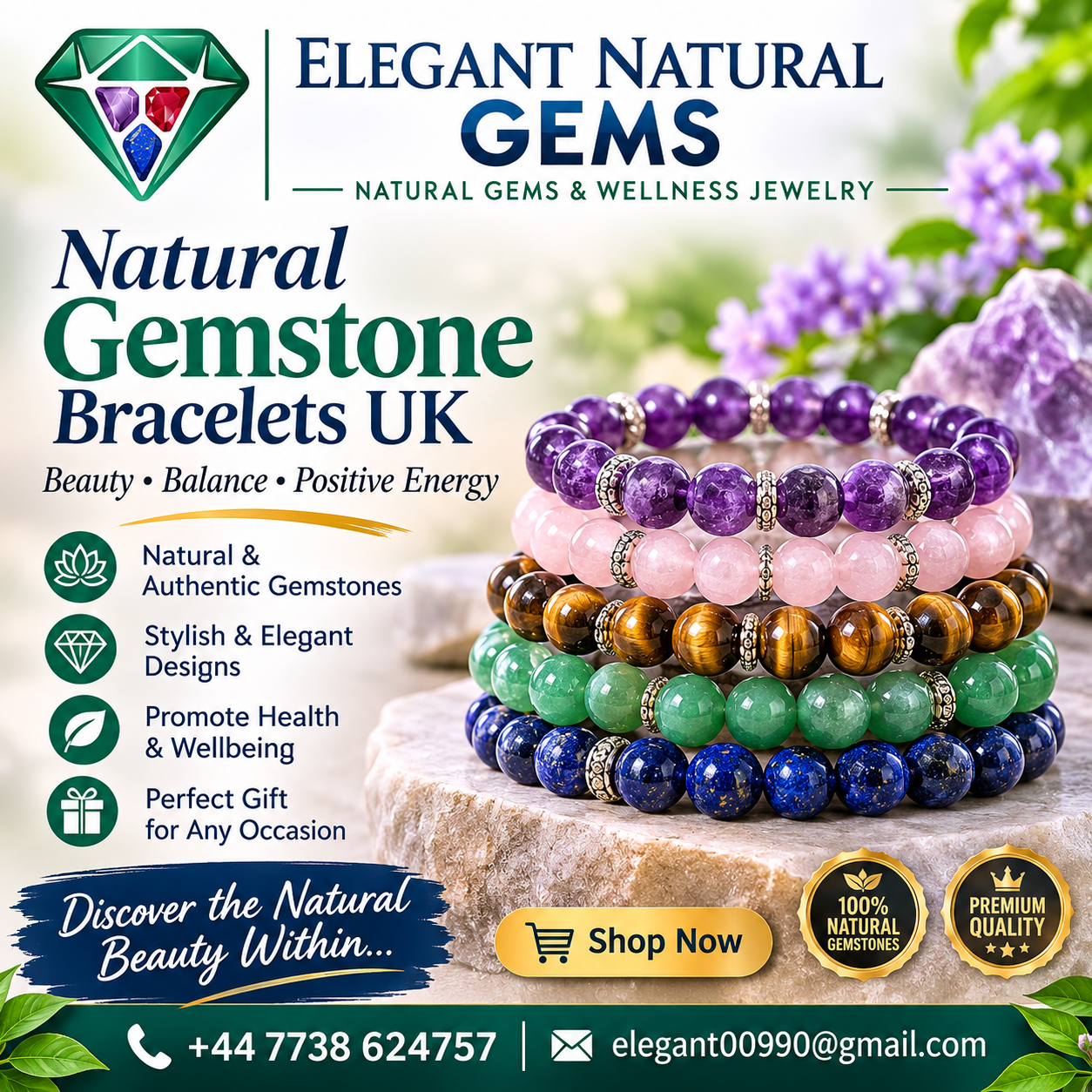
Jewellery retailers such as Elegant Natural Gems form part of the wider natural gemstone and accessories market, where product information and material understanding are important considerations for consumers exploring distinctive gemstone-inspired designs.
Conclusion
A Turquoise Alloy Charm Bracelet offers an appealing combination of colour, decorative metalwork and personal expression. Its turquoise-inspired appearance provides a distinctive focal point, while the alloy construction and charm details introduce versatility and contemporary styling possibilities.
Choosing a well-made bracelet involves more than selecting an attractive design. Consumers should consider gemstone authenticity, alloy composition, fastening quality, comfort and craftsmanship. Proper care is equally important, particularly because turquoise can be sensitive to chemicals, moisture and abrasive cleaning methods.
About The Author