



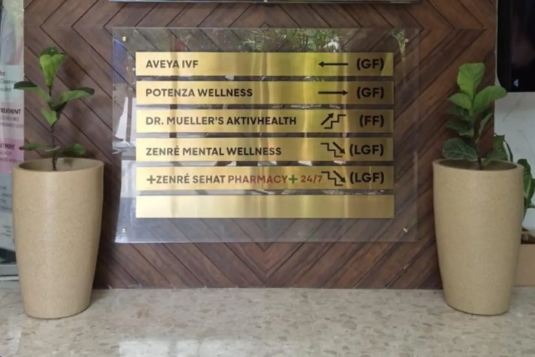
A Wayfinding Sign Manufacturer needs more than a logo and a list of arrows. To plan a useful sign system, the manufacturer needs to understand your site, visitors, destinations and brand. Clear information helps the signs guide people from arrival to destination without confusing gaps. This guide explains what to prepare, what the design process involves and how to compare providers.
What information should you give a wayfinding sign manufacturer?
Start with the building and the people who use it. A manufacturer needs enough detail to plan sign locations, wording, materials and installation.
Prepare these items before requesting a proposal:
- Site plans: Floor plans, entrance locations, stairs, lifts and parking areas.
- Destination list: Room names, departments, facilities and public areas.
- Visitor routes: Common paths from entrances to key destinations.
- User needs: Whether visitors, staff, delivery teams or contractors need guidance.
- Brand rules: Approved colours, fonts, logos and terminology.
- Site photos: Wall surfaces, decision points, lighting and existing signs.
- Project constraints: Timing, access hours, building rules and installation limits.
If you do not have a current floor plan, mark up a basic map and label the destinations. The manufacturer can then confirm what else they need during a site review.
Artroot Signages describes studying visitor flows, floor plans and decision points before designing signs. Its wayfinding systems include modular aluminium panels, acrylic plaques, engraved wood and architectural metal plates.
How does wayfinding signage design work?
Wayfinding signage design turns the information about your site into a visual system. It defines what each sign says, where it goes, how people read it and how signs work together along a route.
Most projects follow these steps:
- Review the site. Identify entrances, destinations, obstacles and places where people make route choices.
- Group the information. Decide what belongs on directories, room signs and directional signs.
- Set names and symbols. Use the same room names, terms and icons across the site.
- Plan sign locations. Place signs where they can help someone choose the next step.
- Create design proofs. Review wording, size, contrast, materials and mounting.
- Fabricate and install. Confirm site access and installation details before work begins.
- Walk the route. Test the finished system with someone unfamiliar with the building.
For example, a visitor to a multi-tenant office might need a building directory at the entrance, floor information near the lift and directional signs at corridor junctions. Each sign should use consistent destination names.
Which details help shape a Wayfinding Sign?
A Wayfinding Sign should answer a clear question: where am I, where should I go, or what is this place? Keep each sign focused on the information a person needs at that point.
Sign size and placement depend on the viewing distance, sightline, lighting and available wall space. A small room plaque serves a different purpose from an overhead directory. Show the manufacturer photos and measurements of each planned location, and point out anything that could block the sign.
What role do accessibility and safety play?
People may navigate through a building in different ways. Use readable wording, clear contrast, familiar symbols and predictable sign placement. For some public buildings and sign types, tactile text or Braille may also be relevant.
India’s Harmonised Guidelines and Standards for Universal Accessibility provide guidance for accessible environments. The Bureau of Indian Standards’ National Building Code also covers building accessibility and safety. Ask the project team to check which requirements apply to your building and signs.
Keep emergency and regulatory signs clear and distinct from general directions. A signage provider should coordinate with the building team when a project includes fire exits, safety information or other code-related signs.
Which materials and formats should you discuss?
Material choice depends on where the sign will go, how often people will touch it and whether the information may change. Indoor room signs and outdoor directories face different conditions.
| Format | Useful for | Check before choosing |
| Modular panel | Directories with changing names | How text panels are replaced |
| Acrylic plaque | Room labels and indoor signs | Contrast, glare and mounting |
| Metal plate | Busy areas or architectural settings | Finish, weight and fixing method |
| Outdoor directory | Site entrances and external routes | Weather exposure and visibility |
Ask for a sample or scaled design if material and finish are hard to picture. A modular panel may cost more at first, for example, but can simplify updates when tenants or departments change.
How do you choose among Wayfinding Sign Board Manufacturers?
When comparing Wayfinding Sign Board Manufacturers, review more than the quoted price. Check whether each proposal addresses your site, routes, materials, installation and future changes.
Ask each provider:
- Will you review the floor plan or visit the site?
- How will you decide sign locations and viewing angles?
- Which materials suit the planned indoor and outdoor locations?
- Can directory information be updated later?
- Does the quote include design, fabrication and installation?
- Who coordinates access and mounting with the building team?
A Best Signage Company for your project should explain its recommendations in plain language. Compare proposals against the same sign list and project requirements. Artroot lists design planning, fabrication and on-site installation among its signage services in Delhi NCR.
Conclusion
A Wayfinding Sign Manufacturer needs a clear picture of your site, routes, destinations, users and brand rules. Prepare those details early, then review the proposed wording, locations, materials and installation plan. For reception and visitor navigation, you can also explore Artroot’s reception logo signage alongside its wayfinding options.
Frequently Asked Questions
Can a manufacturer create a wayfinding plan if I do not have floor plans?
Often, the project can begin with a site visit, photos and a list of destinations. However, the team will need accurate measurements and a clear understanding of entrances, corridors and floors before finalising sign locations. Ask whether a site survey is included and who will confirm the building layout.
Should a wayfinding system include digital maps?
Digital maps can help in large or frequently changing sites, especially where room and tenant information changes often. They work best when their names and directions match physical signs. For many buildings, digital information can complement printed directories rather than replace signs at entrances and route junctions.
How often should directories and room signs be updated?
Review them whenever departments move, tenants change or room names shift. Assign someone to notify the facilities team when details change. If updates are frequent, consider modular sign panels or a clear process for replacing printed inserts without changing the full sign frame.
What is the difference between directional and identification signs?
Directional signs tell people which way to go, often using arrows and destination names. Identification signs name a place, such as a room, department or building. A complete wayfinding system uses both, so people can follow a route and confirm they have reached the right destination.
Can existing signs be reused in a new system?
Some signs may still work if their wording, condition and placement fit the updated plan. However, inconsistent names, old branding or poor visibility can weaken the whole route. Ask the manufacturer to review existing signs on site and identify which ones can stay, change or need replacement.
About The Author