



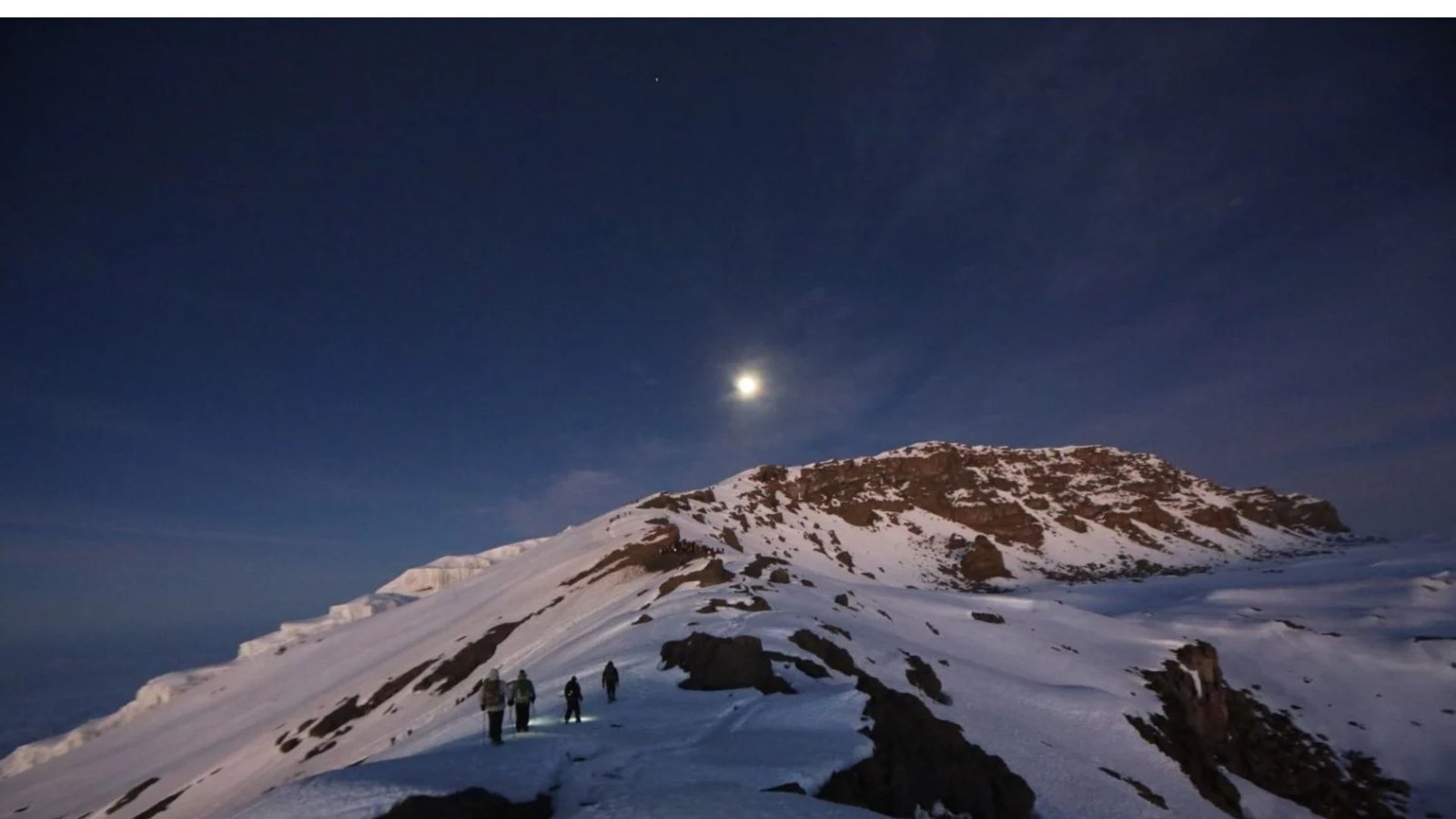
Luxury Kilimanjaro Tours are proof that you don’t have to suffer to summit Africa’s tallest mountain. Think private guides, premium camps, gourmet meals above the clouds. This is the version of Kilimanjaro where comfort and achievement finally shake hands, and honestly, it’s about time someone put those two words together properly.
Okay so here’s the thing nobody really tells you upfront. Kilimanjaro and the word “luxury” never used to belong in the same sentence. For years it was basic tents, average food, guides who knew their job but weren’t exactly focused on pampering anyone. That’s changed though, and it changed quicker than a lot of people in the industry expected it to. Operators are now building whole trips around comfort, and it’s genuinely pulling in a different kind of traveler than before.
The Shift Toward Premium Mountain Travel
There used to be this weird badge of honor around suffering through the climb, like discomfort was part of earning it. That mindset is dying out, slowly but it’s dying. People who’ve worked hard and built a life they’re proud of are starting to ask, why can’t this trip match the rest of my life? And yeah, it can. Private groups, real beds instead of a thin foam mat, hot water waiting for you at camp. None of this is a gimmick, it’s just operators finally catching up.
What I find interesting, and I’ve said this before to clients who ask, is that none of this makes the mountain softer. You still walk through five different climate zones in a week. Altitude still does its thing regardless of how nice your tent is. You still need to train, you still need grit. Luxury just strips away the stuff that didn’t need to be hard in the first place. People assume comfort equals easier. It doesn’t. You just bounce back faster between the tough stretches.
Premium Accommodation That Changes Everything
This is honestly where you notice it the most, right away. Standard trek, you’re in a basic dome tent, sharing tight space, sleeping on whatever the ground decides to give you that night. Luxury route looks completely different. Bigger sleeping tents, proper mattresses not just pads, private dining setups with actual chairs you can sit in like a normal human. Some crews even bring portable flush toilets and bucket showers with hot water, which sounds minor until day three when you realize how much it’s actually doing for your morale.
I’ve heard from more than a few people who did the cheap version once and said never again, not because of the mountain but because the camp setup wore them down faster than the climb did. Swap that for insulated tents, real bedding, and a crew that treats hospitality like it matters, and suddenly those same people are asking about their next trip. Funny how that works.
Gourmet Dining at High Altitude
Food gets treated as an afterthought on a lot of budget tours, and that’s a mistake honestly. On a luxury Kilimanjaro climb, there’s usually a trained chef putting together fresh, multi course meals right there at camp. Fresh veggies, decent protein, sometimes even baked goods carried up and made fresh on the mountain. Sounds almost made up until you’re sitting in a dining tent at twelve thousand feet eating something that actually tastes like someone cared.
This matters more than people think going in, trust me. Good food affects energy, mood, how well you sleep and recover each night. When meals are something to look forward to instead of just fuel, the whole trip shifts. You stop counting down to the next one and start enjoying them. Small thing, but it adds up across six, seven days.
Expert Guides and Personalized Service
A proper luxury climb isn’t only about nicer tents and better plates of food, the people leading you matter just as much, maybe more. Top operators hire guides who’ve summited this mountain more times than they can probably count, people who spot early altitude symptoms before you even notice them yourself, who’ll slow things down if you need it rather than sticking to some rigid plan on a clipboard. That attention changes outcomes. Summit success tends to be noticeably better on these well run trips, partly the experience, partly because the schedule actually allows your body time to adjust.
There’s also the ratio of guides to climbers, worth mentioning. Instead of one guide babysitting twelve people, luxury tours keep it tighter, sometimes fully private. More coaching, quicker response if something feels off, and a more personal bond with the crew getting you up and back down safe.
Exclusive Routes and Private Group Options
Not everybody wants to be climbing elbow to elbow with forty strangers on the same busy path. Premium operators often know which routes stay quieter or can time your start to dodge the crowded windows. Some do fully private groups too, just you, whoever you brought along, and a dedicated crew working just for your group. There’s a certain stillness to that kind of climb. Feels like the mountain’s yours for those few days, and that changes how the whole trip feels emotionally, not just physically.
Routes like Lemosho or the northern circuit get picked more often for premium trips, since they give you longer to acclimatize and skip a lot of the congestion you’d find on something like Marangu. Those extra days aren’t just there for comfort either. They genuinely boost your chances of reaching the top feeling strong instead of wrecked.
Wellness and Recovery Built Into the Journey
This one’s newer but it’s picking up fast. Some operators are weaving wellness into the trip now, guided stretching at camp, sleep setups built specifically around altitude, even recovery days after the summit at a lodge with a pool and spa treatments waiting. The whole idea is treating your body right before, during, and after, so the trip feels like it’s building you up instead of draining you dry.
A handful of operators pair the climb with a stay near Arusha or Moshi once you’re down, complete with massages and a proper rest before you fly home or head out on safari. Smart move honestly, since going straight from a mountain into a long flight is rough on anybody. Giving your body a day or two to settle makes the whole experience feel finished instead of rushed.
Technology and Safety Standards Taken Seriously
Luxury isn’t just about comfort, it shows up in safety too, and this part doesn’t get talked about enough. Premium Kilimanjaro operators usually carry advanced oxygen systems, sometimes portable altitude chambers, satellite communication in case something needs attention fast. Guides are trained way beyond the basics in wilderness first aid and altitude protocols. Not flashy stuff you’d see in a brochure photo, but it’s exactly the thing that matters if things go sideways at fifteen thousand feet.
Clients going through these operators also get more thorough health screenings and briefings beforehand. Not to scare anyone, just to actually prepare them with real info instead of a vague “you’ll be fine.” That extra care says a lot about an operator’s standards overall, not just their comfort level.
Combining Kilimanjaro With Tanzania’s Other Treasures
Here’s something most first timers don’t think about until they’re deep in planning mode, Kilimanjaro pairs really well with the rest of Tanzania. A lot of luxury packages bundle the climb with a safari through the Serengeti or Ngorongoro Crater, staying at high end lodges with views that genuinely compete with the mountain itself. After days on the trail, sinking into a private villa with a plunge pool while watching elephants wander past your balcony, that contrast is something else.
Makes sense financially too, you’re already flying all the way out there, already adjusted to the time change, so why not stretch the trip a bit further. Operators who specialize in this kind of travel tend to handle the whole thing seamlessly, permits, transfers, lodge bookings, so you’re not stuck juggling logistics yourself.
Who These Tours Are Really Designed For
Gonna be honest here, luxury Kilimanjaro climbs aren’t for everyone and that’s perfectly fine. They’re built for people who want the achievement of standing on Africa’s highest point but also value their time and comfort enough to pay for a better version of the experience. Busy professionals, couples marking a big milestone, small groups of friends wanting something unforgettable without unnecessary roughing it.
It also pulls in people who’ve already done a budget mountain trip before and are ready to upgrade, folks who know exactly what they’re trading up from and appreciate the difference immediately. Nothing wrong with wanting comfort alongside adventure. Honestly it shows you know what actually makes a trip good versus just something you survived.
Conclusion
At the end of the day, luxury Kilimanjaro tours prove comfort and challenge don’t have to fight each other, they can actually work together pretty well. The mountain still demands respect, fitness, real determination, but everything around that challenge can be elevated into something special instead of something you just endure. Premium tents, good food, experienced guides, and those small wellness touches add up to a trip that feels less like a test and more like the kind of thing you’ll talk about for years.
And for anyone drawn to this mix of high altitude adventure and real comfort, worth mentioning that trips like the mount everest base camp journey are heading the same direction, blending serious adventure with genuinely good service for travelers who refuse to pick just one. Whether it’s Kilimanjaro or somewhere further east, mountain travel is clearly moving toward doing hard things properly, not just doing them cheap. Visit True Summit Adventures.
FAQs
What actually makes a Kilimanjaro tour “luxury” versus a regular one?
Mostly comes down to where you sleep, what you eat, who’s guiding you, and how big your group is. Luxury tours mean better tents, chef cooked meals, and often smaller or fully private groups.
Is luxury Kilimanjaro climbing actually easier than the standard version?
Not really, the physical side stays just as tough. What’s different is the comfort and support surrounding it, which honestly helps a ton with recovery and overall mood on the mountain.
Can you combine a Kilimanjaro climb with a safari trip?
Yes, a lot of operators bundle the climb with stays at luxury safari lodges in the Serengeti or Ngorongoro Crater, makes for a complete Tanzania trip.
Does going luxury actually improve your chances of summiting?
Generally yes.Better acclimatization schedules, more experienced guides, smaller groups, it all adds up to better pacing and a higher chance of reaching the top.
Is luxury Kilimanjaro similar to premium Everest base camp trips?
Pretty similar in spirit, yeah. Both are part of this bigger trend of pairing serious high altitude adventure with real comfort, solid safety standards, and service that’s actually personalized.
About The Author