



Ask ten manufacturers what makes a good metal stamping company, and you’ll probably get ten similar-sounding answers: quality, reliability, competitive pricing. Fair enough, but those words don’t actually tell you much. Anyone can put “quality” on a website. What separates a genuinely leading metal stamping company from a merely adequate one shows up in the details that customers only notice after they’ve placed an order, not before.
It Starts With Tooling, Not Presses
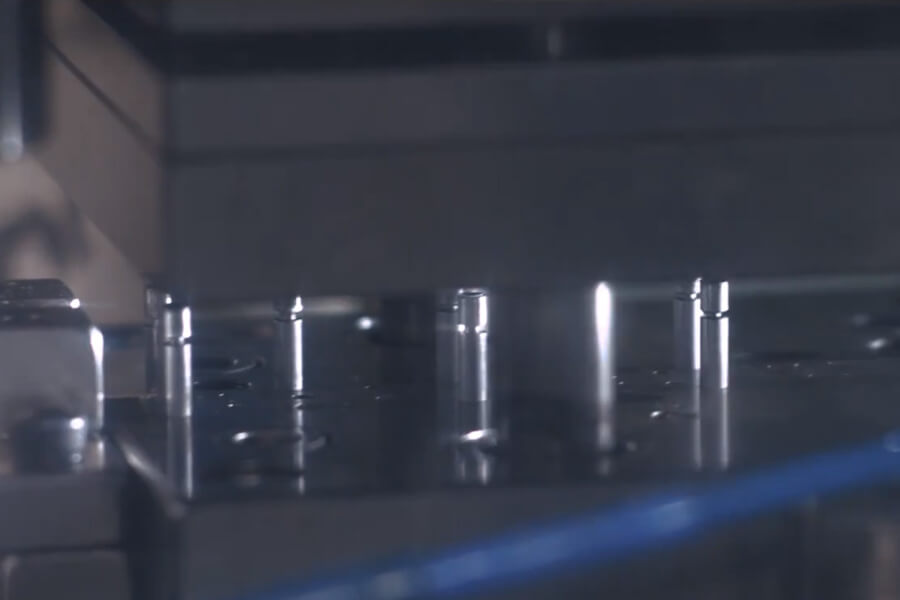
A lot of buyers evaluate a metal stamping company by press tonnage and shop size, which is understandable but slightly beside the point. The press is just the machine applying force; the die is what actually determines whether a part comes out right.
A leading stamping company invests heavily in tool design and tool maintenance because that’s where precision actually lives. Worn dies produce parts that drift out of tolerance slowly and quietly, which is far more dangerous than an obvious defect because it can go unnoticed for an entire production run.
The best operations track die wear proactively scheduled maintenance, perform dimensional checks on tooling itself, and have a habit of retiring or reworking dies before they start producing marginal parts rather than after. It’s less visible than a shiny new press line, but it’s a much better predictor of consistent quality.
Custom Metal Stampings Require Custom Thinking
Standard parts are relatively forgiving; there’s an established process and a known outcome. Custom metal stampings are a different animal entirely, because every geometry, material, and tolerance requirement changes the equation. A company that treats every custom job with the same generic process ends up with a lot of first-run scrap and frustrated customers waiting on redesigned tooling.
Leading stampers instead run proper design-for-manufacturing reviews before cutting steel for a new tool. That means catching a problematic bend radius, an unrealistic tolerance callout, or a material choice that will fight the forming process before it becomes an expensive tooling mistake. This is where engineering depth actually matters more than raw production capacity. A shop with fewer presses but stronger DFM discipline will often outperform a bigger operation that just runs whatever design shows up, and it’s usually why one metal stamping company can quote custom metal stampings confidently while another hedges with caveats.
Custom metal stampings also demand a supplier who’s honest about lead time. Cutting a new progressive or transfer die for a genuinely custom part takes real engineering hours, and a metal stamping company that rushes this stage to win a quote often ends up reworking the tool anyway once the first parts come off the press.
Material Expertise You Can’t Fake
Stamping steel behaves very differently from stamping beryllium copper, phosphor bronze, or stainless. Springback, work hardening, and burr formation all vary by alloy, and a company that only really knows one or two material families will struggle the moment a customer needs something outside their comfort zone.
At Eigen Engineering, working across a broad material range (from mild and stainless steels to speciality copper alloys used in electronic and electrical components) has been a deliberate investment, precisely because customers rarely stay confined to a single material for long once their product line grows. It’s also why we treat custom metal stampings as a core capability rather than a side offering handled only when a standard part won’t fit.
Quality Data, Not Just Quality Claims
This is probably the single biggest differentiator in the industry right now. Ask a mediocre metal stamping company about their quality process, and you’ll get reassurance. Ask a leading one, and you’ll get numbers: process capability indices, first-pass yield percentages, SPC charts from the actual production run your parts came from. Buyers have gotten sharper about this over the last several years, and the suppliers winning long-term contracts are the ones who can produce that data on request rather than promise it exists somewhere.
Flexibility Without Losing Precision
Production needs rarely stay static. A customer might start with a 5,000-piece prototype run and need to scale to half a million units within a year, or the reverse: a mature product line suddenly needs smaller, more frequent batches to match lean inventory targets. A leading metal stamping company builds enough flexibility into its scheduling and tooling strategy to handle both without treating either as a special favour.
Responsiveness When Something Actually Goes Wrong
Every stamping operation, no matter how good, will eventually hit a die issue, a material lot problem, or an unexpected tolerance drift. What separates the leaders isn’t the absence of problems; it’s how fast they’re caught, communicated, and corrected.
A supplier who calls you the moment an SPC chart shows a concerning trend, rather than waiting for you to discover a rejected batch on your own line, is a supplier worth keeping, and it’s a habit that tends to separate an established metal stamping company from a newer shop still figuring out its own process controls.
The Real Differentiator
Strip away the marketing language, and what actually sets a leading stamping company apart is consistency under pressure consistent tolerances across a million-piece run, consistent communication when a problem surfaces, and consistent investment in tooling and people even when it’s not the cheapest short-term option.
That’s the standard Eigen Engineering has built its stamping operation around, and it’s the standard worth holding any supplier to before you commit a production program to them.
About The Author