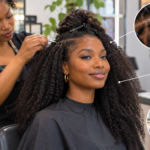


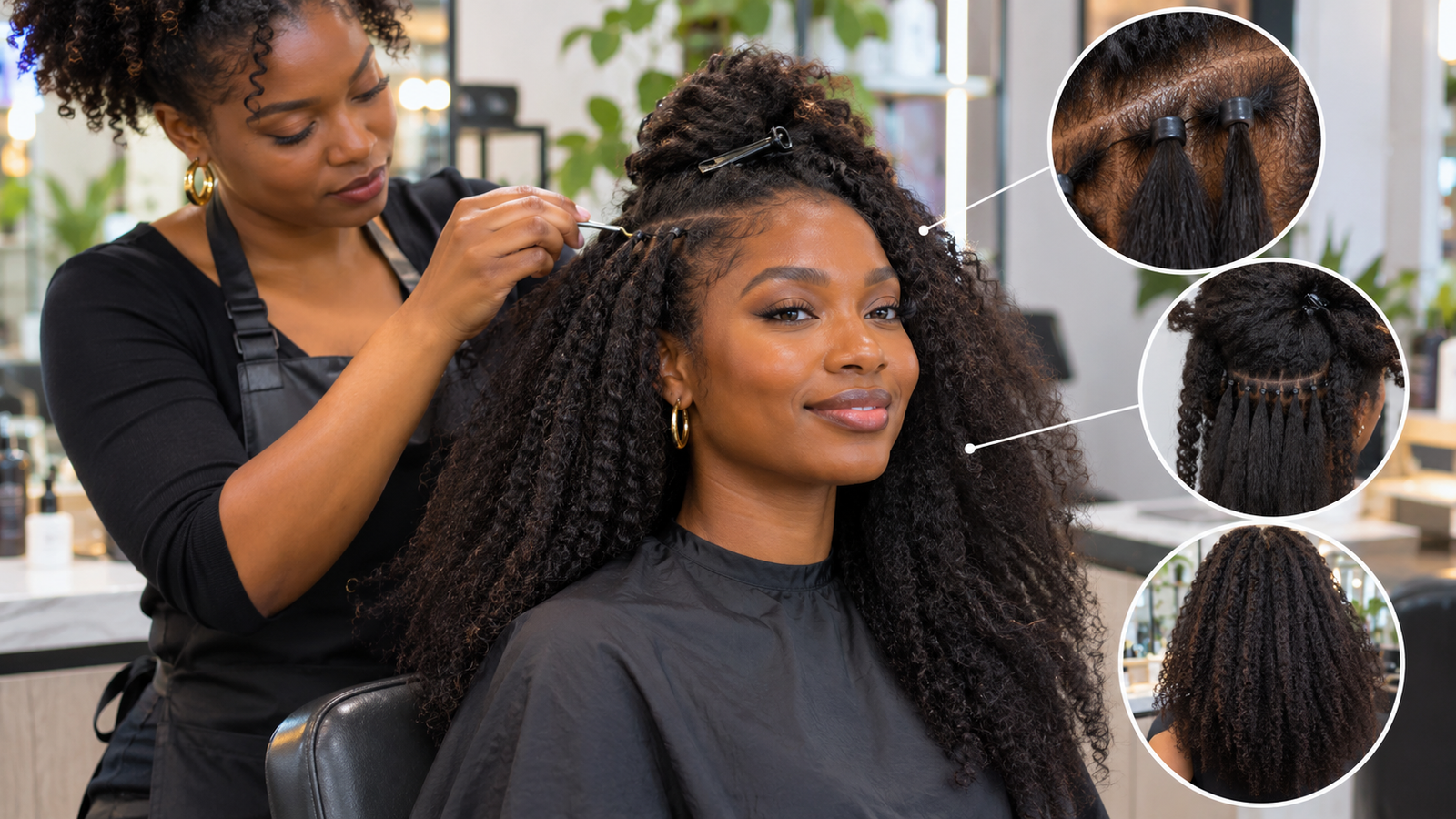
Adding length and volume to naturally textured hair does not always require a braided foundation or adhesive-based extensions. Micro link extensions offer a different approach by attaching additional hair to natural strands using small beads. This method allows much of the natural hair to remain loose, providing flexibility for different hairstyles and easier access to the scalp.
However, the suitability of this technique depends on several factors, including curl pattern, hair density, strand strength, and previous chemical treatments. Naturally textured hair also has specific washing, conditioning, and detangling requirements that should not be overlooked after installation. Understanding how these extensions work and what their maintenance involves can help you decide whether they are appropriate for your hair and daily routine.
How Micro Link Extensions Are Attached
Micro link installations generally involve securing extension hair to natural strands using small metal beads, sometimes lined with silicone. With the individual strand method, commonly known as I-tip extensions, small sections of natural hair and extension hair are secured together inside each bead. Other techniques use beads to support wider extension wefts.
Unlike adhesive-based methods, micro links for black hair do not typically require glue or heated bonding tools during attachment. The absence of a traditional braided foundation also allows more natural hair to remain exposed. However, bead size, placement, and the amount of hair supported by each attachment must be carefully considered to avoid unnecessary tension.
Assessing Your Natural Curl Pattern Before Installation
Naturally textured hair can vary considerably across different areas of the head. The curls around the crown may be tighter than those near the neckline, while the front sections might have a completely different texture. These variations influence how easily extension strands blend with existing hair.
Select extension hair based on how your natural strands look after washing and drying without excessive styling. Choosing a significantly different texture may require frequent straightening or curling to maintain a consistent appearance. Extensions that closely match your natural curl pattern can reduce this additional styling work and allow greater flexibility when wearing your hair in its natural state.
Why Hair Density and Strand Strength Matter
Micro link attachments need sufficient natural hair to support the weight of the added strands. People with fine hair may require lighter extensions and carefully distributed attachments. Those with low-density hair may also find it more difficult to conceal the beads, particularly around the crown and temples.
Having thick or densely packed hair does not automatically make someone a suitable candidate. Existing breakage, chemical damage, and scalp sensitivity can affect how well the strands tolerate an installation. The British Association of Dermatologists advises limiting excessive tension and weight when styling Afro-textured hair because these factors can contribute to hair breakage and traction alopecia.
Understanding the Effects of Shrinkage on the Finished Hairstyle
Shrinkage is a natural characteristic of curly and coily hair. When the strands dry after washing, their curl pattern becomes more defined, making the hair appear shorter than it does when stretched. This difference becomes particularly noticeable when natural hair and extensions have different curl characteristics.
Before selecting an extension length, consider how both textures will behave in their natural state. Extensions that appear to blend perfectly with stretched hair may become noticeably longer after the first wash. Comparing the natural fall of the hair rather than relying entirely on stretched measurements helps achieve a more consistent finished appearance.
Exploring Styling Options Without Excessive Heat
Individual bead attachments can provide flexibility for wearing loose curls, side partings, relaxed ponytails, and half-up hairstyles. Since natural hair remains exposed, the finished result can have more movement than certain installations that use a tightly secured foundation.
Regular heat styling, however, can become a concern if the extensions differ significantly from your natural texture. Repeated flat ironing may weaken exposed strands and alter their curl pattern. Dermatological guidance recommends limiting excessive heat and avoiding combinations of damaging chemical and styling practices. Selecting extensions that complement your natural texture can make everyday styling easier without depending heavily on heated tools.
Preparing Your Hair and Discussing Installation Options
Before your appointment, cleanse and condition your natural hair thoroughly. Gentle detangling makes it easier for the stylist to separate individual sections without unnecessary pulling. Heavy styling products should be avoided if they interfere with the attachment process.
When comparing salon services listed under hair extensions Frisco, ask whether the consultation includes an assessment of curl pattern, strand thickness, existing damage, and scalp condition. Discuss your previous chemical treatments and preferred hairstyles as well. An experienced stylist should be able to explain whether individual attachments or a different installation method would better accommodate your natural hair.
Washing and Conditioning Without Disturbing the Beads
One practical feature of micro link installations is that portions of the scalp remain accessible for regular cleansing. Shampoo should be distributed carefully around the roots without aggressively rubbing the hair together. Thorough rinsing helps prevent residue from collecting around the attachment points.
Naturally curly and coily hair generally requires regular conditioning to maintain manageability. Apply suitable products to the lengths and ends while following the maintenance instructions for the installed beads. A recent scientific review of Afro-textured hair care identifies regular cleansing with appropriate products as beneficial for managing scalp buildup and reducing conditions that contribute to breakage.
Preventing Tangling During Sleep and Daily Activities
Loose natural hair and extension strands can intertwine during sleep, particularly when both have textured curl patterns. Tangling near the attachment points may become difficult to manage if it remains unnoticed for several days.
Before going to bed, arrange your hair in a comfortable, loose hairstyle and consider using a satin bonnet or silk pillowcase to reduce friction. When detangling, begin at the ends and gradually move upward while supporting the strands near the attachments. Avoid tightly securing the hair overnight, since prolonged tension during sleep can also contribute to traction-related damage.
Recognizing When Maintenance or Removal Is Necessary
As natural hair grows, the beads gradually move farther away from the scalp. This movement can affect how securely the extensions sit and how easily the attachments remain concealed. Naturally shed strands may also collect around the beads, increasing the possibility of tangling.
Schedule maintenance according to the installation method and your individual hair growth. Persistent tenderness, broken strands, scalp redness, or noticeable thinning should never be ignored. The American Academy of Dermatology warns that repeated pulling from extensions can lead to permanent hair loss. Uncomfortable attachments should be adjusted or removed promptly, and ongoing hair loss should be assessed by a dermatologist.
Frequently Asked Questions
Do micro link extensions require natural hair to be chemically straightened?
No. Chemical straightening is not an inherent requirement of the attachment method. Suitable textured extensions can help maintain a natural curl pattern without permanently altering the hair.
Can I wear micro links if my hair is transitioning from relaxed to natural?
Possibly. The area where chemically treated hair meets new natural growth can be particularly fragile. A professional assessment is necessary before determining whether the strands can support extensions.
Can micro link extensions be reused?
Some human hair extensions can be reused if they remain in suitable condition. The existing beads may need replacement during reinstallation, depending on the attachment system.
Do micro links encourage natural hair growth?
No. They provide additional length and volume cosmetically but do not increase the biological rate of hair growth. Excessive attachment weight or tension may actually damage hair follicles.
Finding an Extension Method That Respects Your Natural Texture
Micro link installations offer opportunities to experiment with length, volume, and different hairstyles while allowing natural strands to remain accessible. Their suitability depends on the strength of the existing hair, comfortable attachment placement, and consistent maintenance.
Before committing to an installation, consider how the extensions will fit into your usual washing and styling routine. Prioritizing texture compatibility and manageable extension weight can help you enjoy greater styling flexibility without placing unnecessary stress on your natural hair.
About The Author