




You finish the antibiotics. You feel fine for 2, maybe 3 weeks. Then that familiar burning sensation returns, and you’re back to searching symptoms at midnight, wondering what went wrong.
If this cycle sounds familiar, you’re not alone — and you’re not imagining it. Recurrent UTIs affect roughly 1 in 4 women who have already had one infection, and the reasons behind this pattern are often more complex than “just drink more water.”
Understanding why UTIs keep coming back is the first step toward actually breaking the cycle.
What Counts as a “Recurrent” UTI?
Doctors generally define recurrence as:
- 2 or more infections within 6 months, or
- 3 or more infections within a 12-month period
A single UTI is annoying. A pattern of infections, though, signals that something deeper needs attention — not another round of guesswork with over-the-counter remedies.
The Real Reasons UTIs Keep Returning
- Incomplete Treatment
Many women stop antibiotics the moment symptoms fade, sometimes 2 or 3 days early. The infection isn’t fully cleared — it’s just quiet. Bacteria that survive a partial course can multiply again within days.
- Anatomical Factors
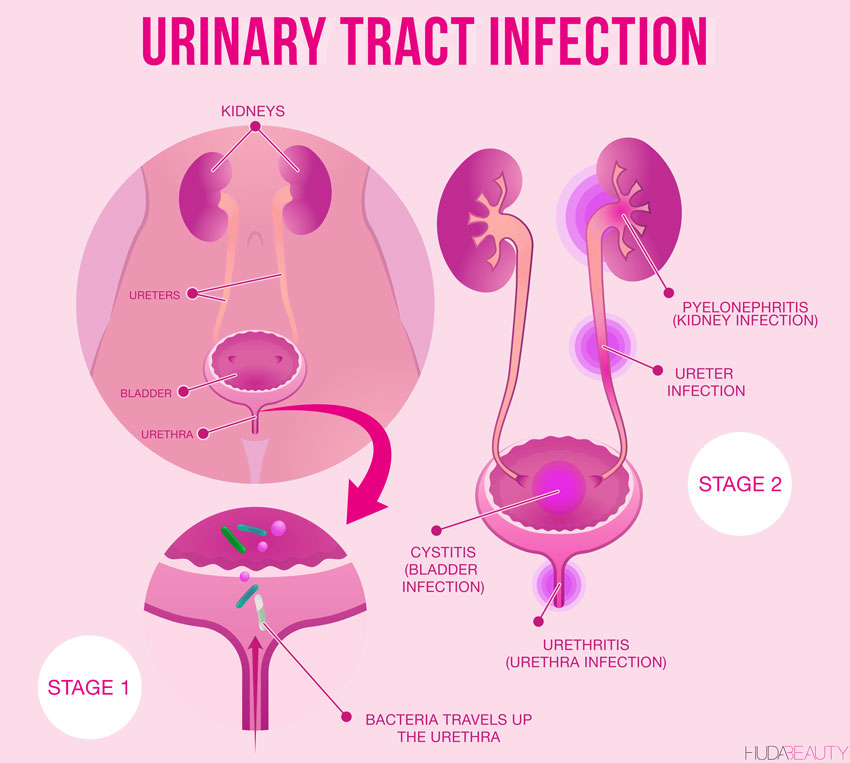
Female anatomy plays a significant role here. A shorter urethra means bacteria have a shorter distance to travel to reach the bladder, which is a major reason women experience UTIs far more often than men.
- Bacterial Resistance
Repeated antibiotic use — especially the same drug each time — can lead to resistant bacterial strains. What worked for your last infection may not work for this one, and generic prescriptions without proper testing often miss this entirely.
- Hormonal Changes
Estrogen affects the vaginal and urinary tract lining. During perimenopause and menopause, declining estrogen levels thin these tissues, making them more vulnerable to bacterial colonization.
- Underlying Structural or Medical Issues
Sometimes recurrence points to something more specific:
- Bladder or kidney stones creating a breeding ground for bacteria
- Incomplete bladder emptying due to pelvic floor dysfunction
- Diabetes, which affects immune response and urine composition
- Interstitial cystitis, often misdiagnosed as a chronic UTI
- Sexual Activity and Hygiene Patterns
Intercourse can introduce bacteria into the urethra. Combined with delayed urination afterward or certain contraceptive methods (like spermicides), this can meaningfully raise infection risk.
Why a General Prescription Often Isn’t Enough
Here’s the pattern many women fall into: symptoms appear, they visit a general physician or walk-in clinic, get a standard antibiotic, and repeat this every few months without anyone asking why it keeps happening.
This is exactly where a urology consultation for women makes a measurable difference. Unlike a quick prescription refill, a proper consultation involves:
- Urine culture and sensitivity testing — to identify the exact bacteria and the antibiotic it actually responds to
- Pelvic and bladder imaging — to rule out stones, structural abnormalities, or incomplete emptying
- Review of hormonal status — particularly relevant for women in perimenopause or postpartum
- A tailored prevention plan — rather than a one-size-fits-all prescription
Without this deeper look, you’re treating symptoms on repeat while the actual cause stays unaddressed.
Why Seeing a Female Urologist Makes a Difference
Urinary and pelvic health conversations can feel uncomfortable, especially when discussing symptoms tied to intimacy, hormonal changes, or bladder control. Many women in Dubai are now actively seeking a female urologist Dubai clinic can offer, specifically because comfort during these conversations directly affects how openly patients discuss their symptoms.
A female urologist Dubai patients trust brings 2 clear advantages:
- Clinical precision — Urology is a specialized field. A urologist looks beyond the infection itself to bladder function, pelvic floor health, and hormonal contributors that a general practitioner may not investigate as deeply.
- Comfort-driven communication — Patients are more likely to disclose full symptom histories, including sexual activity, menopausal changes, or incontinence, in a setting where they feel genuinely heard.
This isn’t about preference for its own sake. It’s about accuracy of diagnosis, which directly shapes treatment outcomes.
Practical Steps to Break the Cycle
While professional evaluation is essential, a few habits support recovery and prevention alongside treatment:
- Stay consistently hydrated — aim for pale yellow urine, not just “more water”
- Urinate after intercourse — within 30 minutes when possible
- Avoid holding urine for long periods — bladder stasis encourages bacterial growth
- Wipe front to back — a small habit with outsized impact
- Consider cranberry supplements with proven PAC content — not all products are equally effective, so check labeling
- Discuss vaginal estrogen options — particularly relevant for postmenopausal women, under medical guidance
None of these replace proper diagnosis. They support it.
When You Should Stop Self-Managing and See a Specialist
Certain signals mean it’s time to move past home remedies and general prescriptions entirely:
- You’ve had 3 or more UTIs in the past year
- Symptoms return within 2-4 weeks of finishing antibiotics
- You notice blood in urine, fever, or back pain alongside typical symptoms
- Over-the-counter treatments provide little to no relief
- You’re experiencing UTI symptoms alongside menopausal changes
Each of these warrants a proper urology consultation for women — not another round of guesswork.
The Bottom Line
Recurring UTIs aren’t just bad luck or poor hygiene — they’re often a sign that the underlying cause was never fully identified. Between anatomical factors, hormonal shifts, and bacterial resistance, treating each infection in isolation rarely solves the pattern.
A thorough evaluation with a female urologist Dubai women increasingly turn to can identify what’s actually driving the recurrence — and build a plan that finally breaks the cycle, rather than managing it infection by infection.
Don’t wait for the fourth or fifth infection to take this seriously. Book a consultation with a specialist who takes the time to look deeper, ask the right questions, and give you answers — not just another prescription.
About The Author