




Jewelry has a way of getting damaged in the most boring ways possible. Not dramatic accidents, just a chain that’s been sitting loose in a drawer and somehow knotted itself into a mess, or a ring that’s picked up a dozen tiny scratches from rubbing against a zipper pocket for months. None of that requires bad luck. It just requires the piece not having anywhere proper to sit. That’s really the whole argument for a dedicated jewelry box, whether it’s going into a customer’s shipment or sitting on someone’s dresser for years.
The Problem With Treating Jewelry Like Everything Else
Most objects can handle being tossed into a generic box with some padding around them. Jewelry can’t, not really. It’s small, often fragile in ways that aren’t obvious at a glance, and much of it is shaped in a way that makes it prone to tangling, bending, or scratching against nearby objects. A necklace thrown loose into a shipping box doesn’t just risk getting damaged; it risks arriving in a knot that takes twenty minutes to undo, which isn’t exactly the unboxing experience anyone’s going for.
Purpose-built jewelry boxes solve this by giving each piece its own defined space. Slots, inserts, ring rolls, little compartments cut to size, whatever the structure, the point is the same. Nothing shifts around in transit, nothing rubs against anything else, and nothing ends up in a tangle by the time it reaches its owner.
What Actually Goes Wrong Without Proper Packaging
A few things tend to happen when delicate pieces get shipped or stored without the right box:
- Chains and thin bracelets knot themselves during movement, sometimes badly enough to need a jeweler to sort out
- Soft metals like gold and silver pick up surface scratches from contact with other items or rough packaging materials
- Stones can chip or loosen from their settings if a piece isn’t held firmly in place
- Clasps and delicate findings bend or snap under pressure from careless stacking
- Humidity and moisture, if there’s no barrier at all, can tarnish metal or dull certain stones over time
None of these is a dramatic failure. They’re just the slow, quiet kind of damage that happens because nothing was holding the piece properly.
What Good Jewelry Packaging Actually Does
A well-built jewelry box isn’t just a container — it’s doing several jobs at once, and most of them aren’t obvious until you think about what happens without them.
Fixed positioning. Inserts and slots hold each piece in one spot so it can’t slide, rattle, or collide with anything else inside the box during handling.
Cushioning against impact. Foam, velvet, or fabric lining absorbs shocks from drops or rough handling, which matters more than people assume — most shipping damage happens in the first and last few feet of a package’s journey, not somewhere in the middle.
A barrier against moisture and tarnish. Sealed or lined boxes reduce air exposure, which slows tarnishing, especially on silver.
Protection during storage, not just shipping. Many jewelry boxes are kept and reused by customers long after the sale, which means the protective structure matters well beyond the delivery date.
Rigid Boxes vs. Standard Boxes for Jewelry
Not every box is built the same way, and for jewelry specifically, structure matters more than in most other product categories.
| Feature | Rigid Jewelry Box | Standard Folding Box |
| Structural strength | High — holds shape under pressure | Lower — can flex or collapse |
| Insert compatibility | Excellent fit for custom inserts | Limited, inserts can shift |
| Perceived value | High-end, premium feel | Functional but plain |
| Reusability | Often kept by customers | Usually discarded |
| Cost | Medium-high | Low |
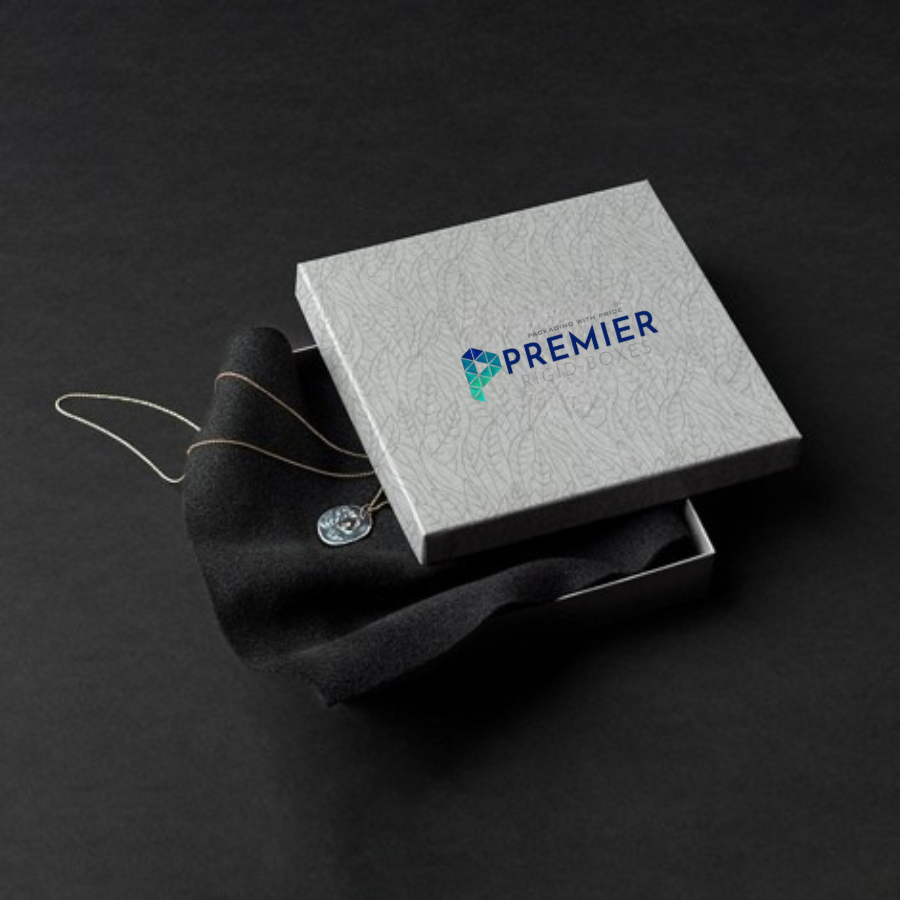
Rigid boxes tend to win out for anything positioned as higher-end, mostly because they hold their shape reliably and give inserts something solid to sit inside. A brand like Premier Rigid Boxes, for instance, has built much of its reputation around that kind of sturdy, well-fitting construction for delicate items, which says something about where the market’s attention has shifted over the last few years.
Custom Design Without Losing the Function
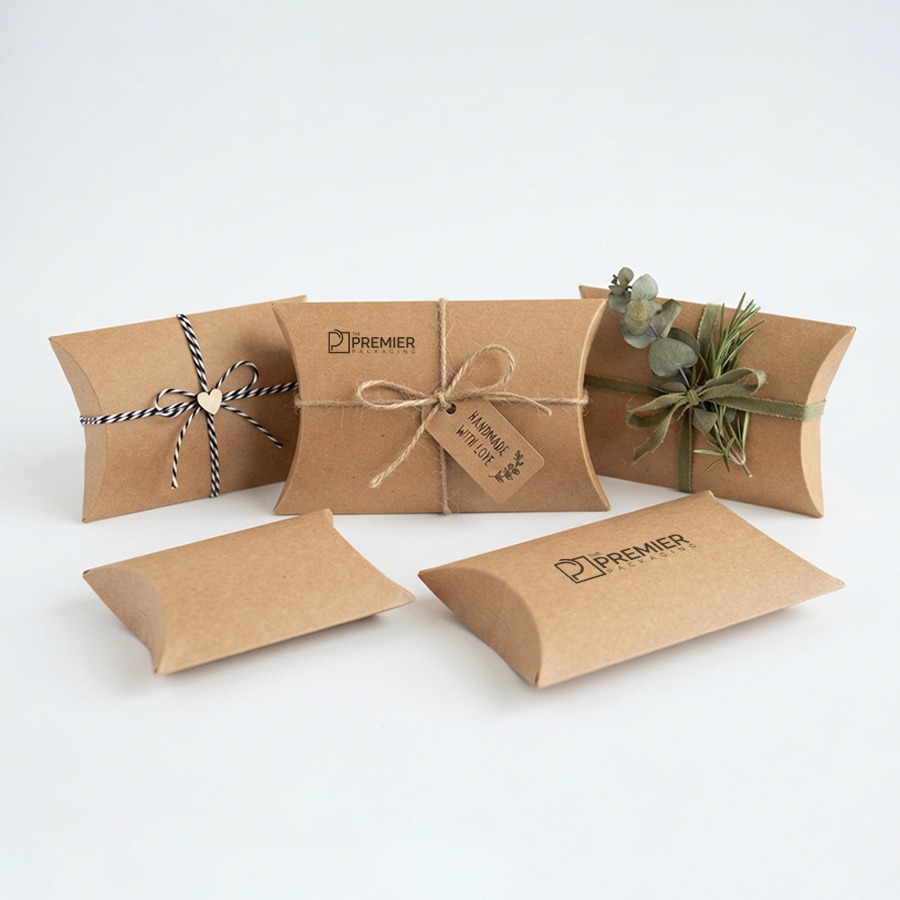
There’s a decent amount of demand right now for cheap jewelry boxes with custom style — brands wanting something affordable that still looks distinct rather than generic. That’s achievable, but it comes with trade-offs worth knowing about. A lower-cost box can still get custom printing, a branded interior lining, or a unique insert shape, but going too cheap on the base material usually means sacrificing the structural integrity that actually protects the piece inside. The goal is to find where affordability and function meet, not just to pick whatever’s cheapest and hope it holds up.
A few ways brands manage that balance:
- Custom printed exteriors on a mid-weight rigid or semi-rigid base, rather than the flimsiest option available
- Foam or velvet inserts cut to the specific product line instead of generic filler
- Branded ribbon or ties that add a premium touch without much added cost
- Matte or soft-touch finishes, which read as higher-end without needing an expensive substrate
Matching the Box to the Piece
A stack of thin bangles doesn’t need the same packaging as a single statement ring, and treating them identically usually means one or the other ends up either under-protected or needlessly bulky.
- Rings generally need a firm ring slot or cushion to hold the band in place so it can’t rattle loose.
- Necklaces and chains do best with a hook, post, or rigid insert that keeps the chain flat rather than coiled.
- Earrings need small, snug slots, since they’re easy to lose track of in a box with too much open space.
- Bracelets and bangles usually need a bit more depth in the box and a padded base to prevent scratching against the sides.
FAQ
Do jewelry boxes really prevent tarnishing? To some extent, yes. A well-sealed or lined box reduces exposure to air and moisture, which slows tarnishing of silver and some other metals, though it won’t stop it entirely over a long enough period.
Are rigid boxes worth the extra cost over folding boxes? For anything delicate or positioned as premium, generally yes. Rigid boxes hold their shape better, protect inserts more reliably, and tend to be kept and reused by customers rather than thrown away.
Can a cheap jewelry box still look custom and high-end? Yes, within limits. Custom printing, branded inserts, and finish choices can make a lower-cost box look distinctive, but the base material still needs to be sturdy enough to actually protect what’s inside.
What’s the biggest packaging mistake brands make with jewelry? Treating all pieces the same way. A box designed for a chunky bracelet usually isn’t right for a delicate chain, and using a single generic insert across a whole product line tends to leave some pieces under-protected.
Final Thoughts
Jewelry doesn’t need much to stay safe, mostly it just needs somewhere to actually sit still. A box that holds each piece in place, cushions it against impact, and keeps moisture out handles most of the damage that would otherwise happen quietly, in storage or in transit, without anyone noticing until it’s too late. Getting that structure right matters far more than most brands give it credit for, whether the goal is to protect a single shipment or to give customers something worth holding on to.
About The Author