




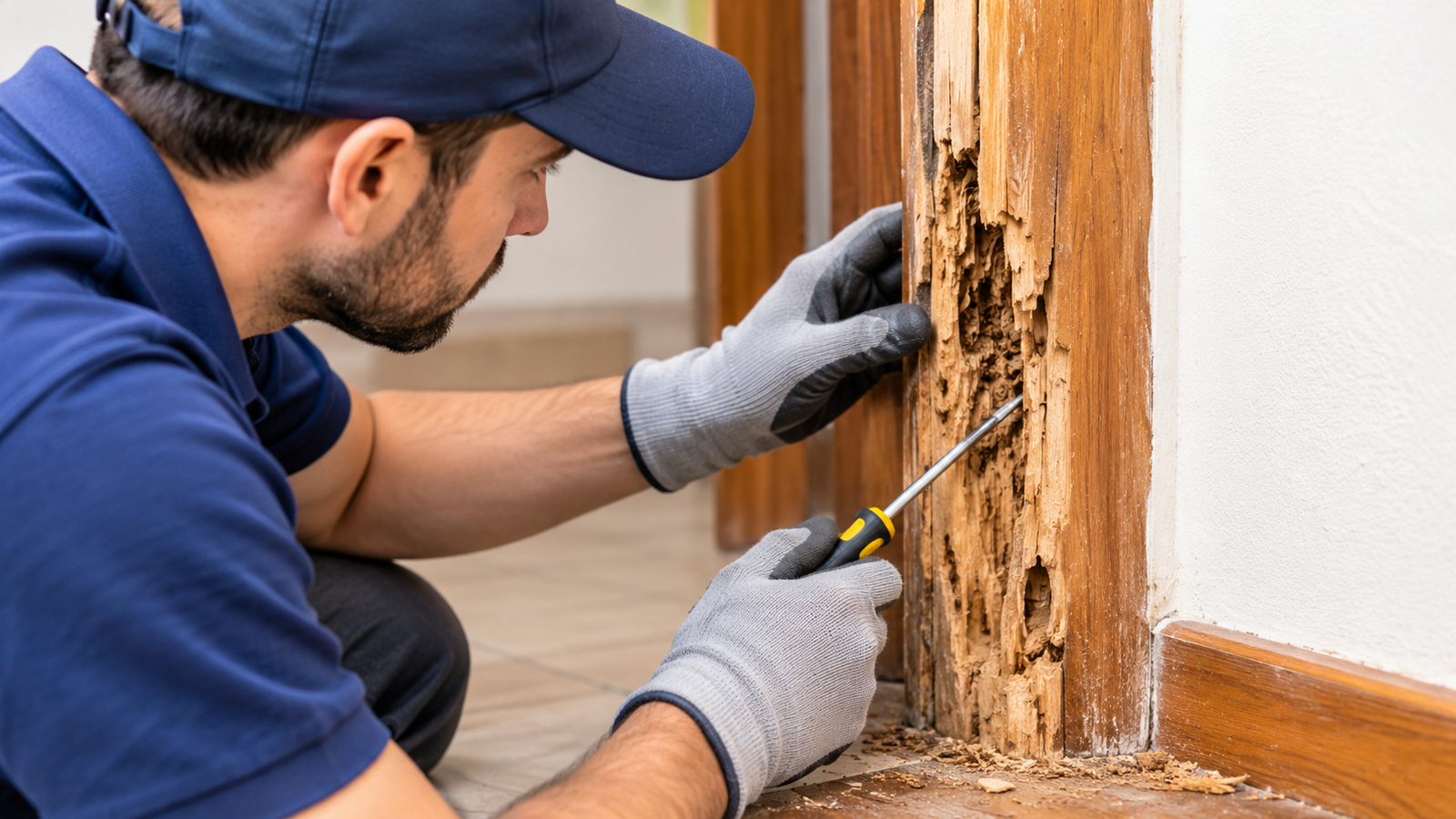
Termites are among the most difficult household pests to detect because they often remain hidden while damaging wooden structures. Unlike insects that move around openly, termites usually stay inside wood, beneath floors, or within underground tunnels. As a result, homeowners may not realize there is a problem until visible signs begin to appear. Fortunately, a few small clues can help reveal termite activity before the damage becomes more serious.
Two of the most noticeable warning signs are mud tubes and discarded wings. Although they may look harmless at first, these findings can provide useful information about termite activity around a property. Understanding what these signs mean can help homeowners take action before an infestation causes expensive structural problems.
Why Mud Tubes Are an Important Warning Sign
Mud tubes are narrow, earth-colored tunnels that subterranean termites build to move between their underground colonies and food sources. These structures are made from soil, moisture, saliva, and small particles of wood. They protect termites from dry air, sunlight, and predators while allowing them to travel safely.
Homeowners may notice these tubes running along concrete foundations, basement walls, crawl spaces, wooden support beams, or other areas where soil and building materials meet. They are often about the width of a pencil, although their size can vary depending on termite activity.
Proper termite mud tube identification is important because these tunnels may be one of the earliest visible signs of a subterranean termite problem. Even a small tube deserves attention, especially when it connects the ground to wooden parts of a building.
Where Homeowners Should Look for Mud Tubes
Termites prefer hidden and protected locations, which means their tunnels are not always easy to spot. Regularly checking certain areas around the property can help homeowners notice unusual changes.
Some common places to inspect include:
- Exterior foundation walls and corners of the house.
- Crawl spaces and basement support structures.
- Areas around plumbing pipes and utility openings.
- Wooden posts or beams close to the ground.
- Cracks and gaps in concrete foundations.
- Hidden spaces behind stored materials or landscaping.
Mud tubes can sometimes blend into concrete, soil, and other surfaces. Removing clutter near foundation walls and keeping vegetation trimmed can make these areas easier to inspect.
It is also important to remember that an empty or broken mud tube does not automatically mean the termite problem has disappeared. Termites may abandon one tunnel and continue traveling through another.
What Discarded Termite Wings Can Tell You
Another common sign of termite activity is the appearance of discarded wings around windows, doors, and indoor lighting. These wings usually come from reproductive termites, commonly called swarmers or alates.
When a mature termite colony produces reproductive members, they leave the colony in groups to find mates and establish new colonies. After landing, they shed their wings because they no longer need them for flying.
Homeowners may find small piles of transparent or pale wings on windowsills, floors, furniture, and near light sources. Finding several similar wings in one location should not be ignored, particularly when they appear inside the house.
Discarded wings can provide valuable evidence of termite infestation, especially when they are found alongside mud tubes or damaged wood. Their presence may indicate that a mature colony is nearby or that termites have already entered the building.
How to Recognize Termite Wings Instead of Ant Wings
Many homeowners confuse flying termites with flying ants because the insects can look similar. However, a few physical differences can help distinguish between them.
Termites generally have straight antennae, broad waists, and four wings that are approximately equal in length. Flying ants usually have bent antennae, narrow waists, and front wings that are longer than their back wings.
These differences are useful when recognizing termite damage indicators, but identifying insects from a distance can be difficult. If you are unsure what you have found, keeping a sample or taking a clear photograph can help a pest control professional identify it.
Other Signs That May Point to a Termite Infestation
Mud tubes and discarded wings are important clues, but they are not the only signs homeowners should watch for. Termites can remain hidden for long periods, allowing damage to develop without obvious changes to the outside of the wood.
Some additional warning signs include:
- Hollow-sounding wooden doors, floors, or support beams.
- Bubbling or uneven paint on wooden surfaces.
- Small cracks or unusual changes in wooden structures.
- Damaged baseboards and window frames.
- Wood that appears weakened or unusually soft.
- Doors and windows that suddenly become difficult to open.
These symptoms do not always confirm termite activity. Moisture problems, wood decay, and other issues can create similar conditions. However, when several warning signs appear together, arranging a professional inspection is a sensible step.
Why Early Termite Detection Matters
Termites can gradually weaken wooden structures while remaining hidden from everyday view. By the time homeowners notice visible damage, the colony may have been active for quite some time.
Early detection gives homeowners a better opportunity to address the problem before it spreads to additional areas. It can also help reduce repair costs and protect important structural components.
Ignoring mud tubes or piles of discarded wings can allow an existing problem to continue unnoticed. Instead of waiting for obvious damage, homeowners should investigate unusual signs as soon as they appear.
Regular inspections are particularly helpful for properties with wooden foundations, crawl spaces, moisture concerns, or a history of termite activity.
When Should You Contact a Professional Pest Control Company?
If you discover mud tubes, discarded wings, or suspicious wood damage, contacting a qualified pest control professional is a practical next step. A trained technician can examine the affected areas, look for hidden termite activity, and determine whether the evidence points to an active infestation.
Professional inspections may include checking foundation walls, crawl spaces, wooden supports, and other areas where termites commonly enter or establish feeding sites. Based on the findings, the technician can recommend an appropriate treatment approach.
Homeowners should avoid relying on surface cleaning or simply removing visible mud tubes as a solution. These actions do not eliminate an underground termite colony or address hidden activity inside the structure.
Working with an experienced company such as Impressive Exterminating Pest Control can help homeowners understand their termite concerns and explore suitable treatment options.
Protect Your Home by Paying Attention to Small Clues
Mud tubes and discarded wings may seem like minor details, but they can reveal important information about termite activity. Knowing where to look and understanding what these signs mean can help homeowners respond before damage becomes more extensive.
A little attention to foundations, wooden structures, windowsills, and other vulnerable areas can make a meaningful difference. When something unusual appears, professional inspection is often the safest way to determine what is happening and what steps should come next.
About The Author