


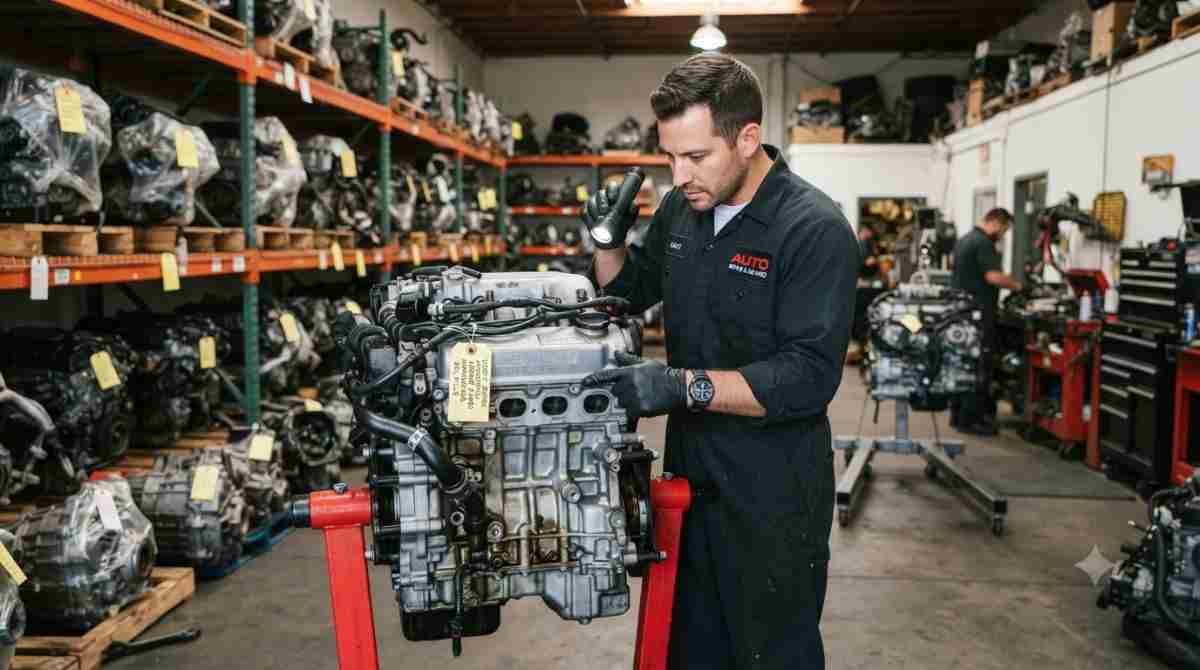
Replacing a damaged vehicle engine can be an expensive repair, especially when a new engine is required. Exploring used engines for sale can help vehicle owners compare affordable replacement options without compromising on essential technical requirements. Buyers looking for used car engines for sale should consider factors such as engine compatibility, physical condition, previous usage, and available inspection records.
Understanding these details before purchasing can make the selection process easier and help prevent unnecessary repair expenses.
Benefits of Buying a Used Engine
A previously used engine can be a practical replacement option when it has been properly inspected and is compatible with the vehicle. It may also help owners manage repair costs compared with purchasing a brand-new engine.
Some potential advantages include:
- Lower purchase cost: Used engines may be available at a lower price than new replacements.
- Different configurations: Buyers can compare petrol, diesel, and various engine capacities.
- Vehicle restoration: A suitable replacement can help bring a vehicle back into working condition.
- More choices: Depending on inventory, suppliers may offer engines for different manufacturers and models.
The actual value of an engine depends on its condition, history, and compatibility, so these details should always be checked.
How to Find the Right Replacement Engine
When searching for used car engines for sale, start by identifying the exact specifications of your existing engine. This makes it easier to compare suitable options and avoid purchasing an incompatible unit.
Keep the following information ready:
- Vehicle make and model.
- Manufacturing year.
- Engine capacity.
- Original engine code.
- Petrol or diesel configuration.
- Transmission type.
You can use these details when contacting suppliers or comparing online listings. Ask for additional technical information if the listing does not clearly explain compatibility.
Important Things to Check Before Purchasing
Choosing an engine requires more than finding an affordable listing. Before selecting from available used engines for sale, pay attention to the following points.
1. Engine Compatibility
Confirm that the replacement matches your vehicle’s engine code, specifications, mounting arrangement, and transmission requirements. Consult a qualified mechanic if you are unsure about compatibility.
2. Physical Condition
Check for visible cracks, corrosion, oil leaks, damaged components, and signs of excessive wear. Request clear photographs and ask the supplier about any known mechanical issues.
3. Mileage and Previous Usage
Ask whether the engine’s mileage and previous usage can be verified. Available maintenance records and supporting documents can provide additional information about its history.
4. Inspection and Testing
Find out whether the engine has undergone compression testing, leak testing, or other relevant mechanical inspections. Request available reports before making a decision.
5. Warranty and Return Terms
Review the seller’s warranty coverage, return conditions, and exclusions. Make sure you understand what protection is provided if the engine develops a problem after purchase.
6. Installation Requirements
Consider the complete replacement expense, including labour, transportation, fluids, gaskets, and any additional components required during installation.
Common Types of Replacement Engines
Different vehicles require different engine configurations. Depending on the supplier’s inventory, buyers may find several options:
- Petrol engines: Commonly used in passenger cars and smaller vehicles.
- Diesel engines: Available for various passenger cars and utility vehicles.
- Four-cylinder engines: Used across many compact and mid-sized vehicle models.
- Six-cylinder engines: Found in selected vehicles requiring different performance and capacity specifications.
- Manufacturer-specific engines: Designed for particular vehicle makes and model generations.
Always verify the engine code rather than relying only on its appearance or general description.
Tips for Comparing Engine Suppliers
When comparing replacement options, look beyond the advertised price. A transparent supplier should be able to provide relevant product details and explain the purchasing conditions.
Consider these practical steps:
- Compare engine specifications across multiple listings.
- Request photographs of the actual engine.
- Ask for available testing and inspection information.
- Confirm the engine’s compatibility with your vehicle.
- Review warranty and return conditions.
- Calculate transportation and installation expenses.
These checks can help you evaluate different options and select a replacement that meets your requirements.
Conclusion
Choosing a replacement engine requires careful research, particularly when comparing condition, specifications, and overall costs. Whether you are exploring used engines for sale or comparing different used car engines for sale, focus on compatibility, available inspection records, and clear purchasing terms.
Taking the time to verify these details can help you make a more informed decision and find an appropriate engine for your vehicle.
About The Author